Author: nnachman

  • Mattamuskeet’s Hunt Planning Begins With the Right Permit

    Mattamuskeet’s Hunt Planning Begins With the Right Permit

    Reference feature. Source checked October 13, 2026.

    Mattamuskeet National Wildlife Refuge’s current hunting page separates several kinds of access: September Canada goose hunting, October deer hunts and late-season waterfowl hunts. It directs readers to Recreation.gov for permits and to refuge brochures for dates and procedures. The linked 2026 materials are dated August 6, providing a useful edition check for readers who may still have an older download. U.S. Fish and Wildlife Service Mattamuskeet hunting page.

    The refuge describes late-season waterfowl hunts as two consecutive days with a lottery and assigned blinds. It also identifies additional opportunities for youth and hunters with disabilities. These are distinct permit arrangements, not one interchangeable reservation. Readers should verify the current application window and eligibility through the linked official materials rather than assuming the general description guarantees a place.

    Our planning recommendation is to save the brochure for the exact hunt you are considering. Keep the permit confirmation, map and any orientation instructions together. If traveling with others, confirm that everyone is referring to the same type of opportunity before dividing costs or setting a departure time.

    A refuge’s broad description can make a destination appealing, but a successful plan depends on administrative details that are less photogenic: application rules, assigned locations and the documentation required on arrival. Giving those details a place in the trip folder is worthwhile. This feature is a guide to the refuge’s information structure, not a report from a hunt or a claim about current permit availability. The destination’s own office and reservation links are the appropriate next sources for a specific visit.

    Continue reading Hunting & Outdoors. See our editorial standards for sourcing and image disclosures.

    Related reading: The Trip Plan That Belongs Beside Your Hunting Checklist.

  • The 2026–27 Duck Stamp Connects Art With Habitat

    The 2026–27 Duck Stamp Connects Art With Habitat

    News analysis. Source checked October 13, 2026.

    The U.S. Fish and Wildlife Service’s Winter 2026 magazine reports that James Hautman won the 2025 Federal Duck Stamp Art Contest with a painting of three buffleheads. The winning work was selected for the 2026–27 stamp. The agency identifies this as Hautman’s seventh win and describes stamp sales as support for acquiring or leasing habitat within the National Wildlife Refuge System. U.S. Fish and Wildlife Service Winter 2026 magazine.

    The article connects a judged artwork to a conservation program, giving the annual image a purpose beyond collectibility. That connection makes the stamp an unusual meeting point for artists, hunters, wildlife observers and collectors. The image has its own artistic history, while the program has a separate record of habitat funding.

    For readers interested in the art, begin with the official gallery and contest information. Pay attention to the contest year and the stamp year, which are different labels. Keeping them separate avoids a common kind of confusion when discussing the winning work or looking for a specific issue.

    Our interpretation is that the stamp is a strong invitation to explore conservation through an object small enough to hold in a hand. A collector can ask about the artist’s composition; an outdoor visitor can ask where program funds contribute to habitat. Neither question requires pretending to have seen the original painting in person. This feature is based on the agency’s published account, and its accompanying conceptual illustration is not a reproduction of Hautman’s artwork or an image of an authentic postage or conservation stamp.

    Continue reading Hunting & Outdoors. See our editorial standards for sourcing and image disclosures.

    Related reading: New York’s Migratory-Bird Calendar Starts With the Zone.

  • The Trip Plan That Belongs Beside Your Hunting Checklist

    The Trip Plan That Belongs Beside Your Hunting Checklist

    Reference feature. Source checked October 13, 2026.

    The Forest Service’s outdoor guidance puts a basic step before the trip itself: tell someone where you are going and when you expect to return. It also advises studying maps, checking weather and preparing for changing conditions. The agency notes that remote cellular coverage may be limited, so a charged phone should not be treated as the entire communications or navigation plan. U.S. Forest Service outdoor planning guidance.

    The guidance addresses hunters as one group among several using national forests. Its reminders about other visitors, appropriate clothing and familiarity with the area belong to the broader task of planning an outdoor day responsibly. This is preparation advice, not a route recommendation for a specific forest or a substitute for local closure information.

    Our practical suggestion is to make the itinerary short enough that another person can use it. Include the destination, planned route, vehicle location, expected return and how you intend to communicate a change. Discuss the plan with the person receiving it instead of assuming an unread message has done the job.

    Before leaving, look for disagreements inside your own materials. A downloaded map, an old trail description and a newly posted closure may point in different directions. Resolve that conflict with the land manager before the trip. The value of preparation is not a guarantee that the day will follow a script. It is a clearer starting point for making decisions when weather, access or timing changes. Keep ambitious plans flexible enough to turn around or postpone when the conditions do not match what you prepared for.

    Continue reading Hunting & Outdoors. See our editorial standards for sourcing and image disclosures.

    Related reading: Choose Hunter Education Through the State’s Official Route.

  • Out of Sight Is Not the Same as Secure Storage

    Out of Sight Is Not the Same as Secure Storage

    Reference feature. Source checked October 13, 2026.

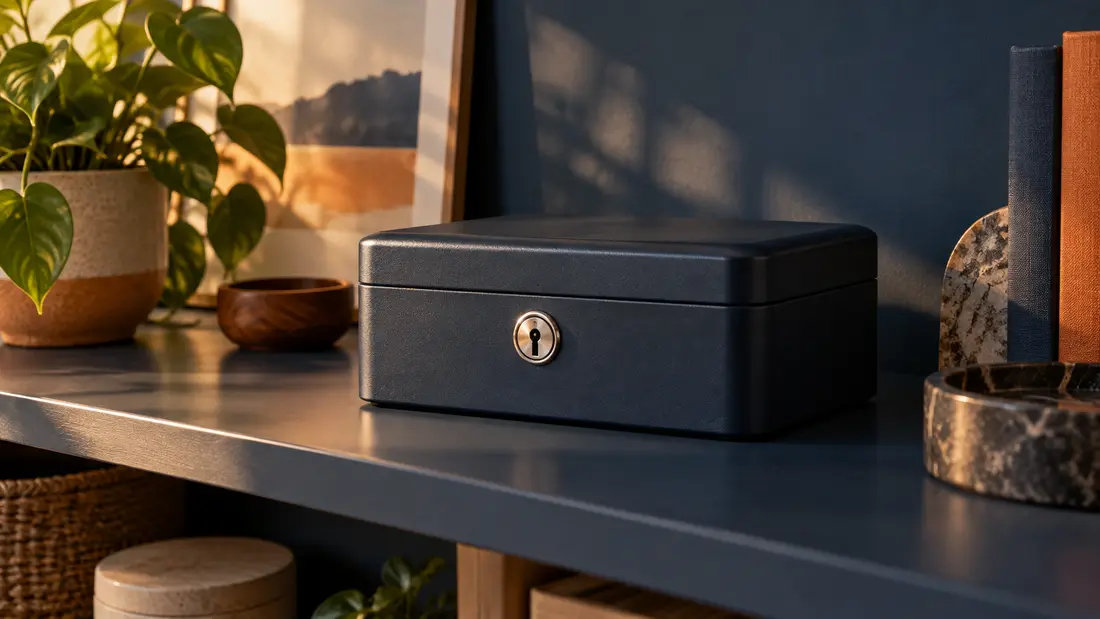
    The CDC’s firearm-injury prevention guidance draws a clear distinction between hiding a firearm and securing it. A firearm placed out of sight or apparently out of reach can still be accessible to a child or an unauthorized adult. The agency points to secure storage such as a safe or lockbox and highlights unloaded, locked storage with ammunition secured separately through the resources it references. CDC firearm-injury prevention guidance.

    That guidance makes access control the central question. The relevant issue is who can actually reach or open the storage location, rather than whether the firearm is normally visible. A household’s storage arrangements also need to account for visitors and changes in who lives there.

    Our editorial recommendation is to turn a general intention into a specific household review. Identify the storage devices in use, locate the manufacturer’s instructions and consider who controls keys or access credentials. If a device is unfamiliar or its suitability is uncertain, seek qualified help rather than improvising. A magazine article cannot verify an individual installation or make an unfamiliar firearm safe through a few written steps.

    The most useful outcome is a repeatable habit: return firearms to their secure storage when not in use and revisit the plan when circumstances change. A new visitor, a move or a change in household needs is a reason to review access again. Keep the discussion practical and calm. Secure storage is a continuing responsibility, and a location that seemed adequate at one time should not be assumed adequate forever simply because nothing has happened there before.

    Continue reading Safety & Training. See our editorial standards for sourcing and image disclosures.

    Related reading: After Gun Storage Check Week, Keep the Review on the Calendar.

  • Plan Secure Storage Before the Car Trip

    Plan Secure Storage Before the Car Trip

    Reference feature. Source checked October 13, 2026.

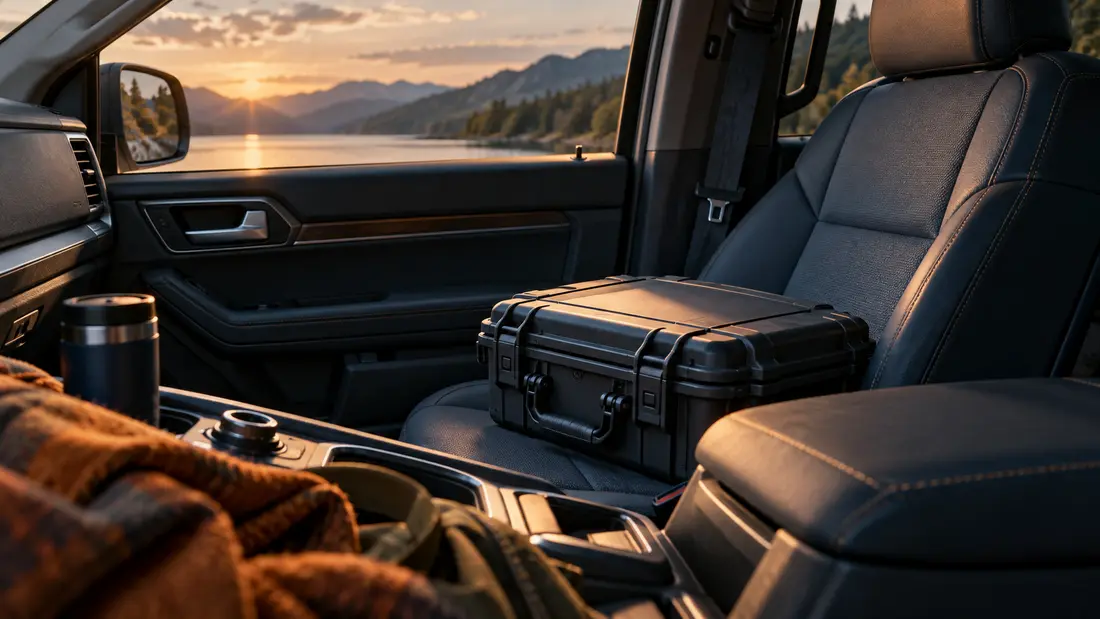
    Project ChildSafe’s vehicle-storage page treats firearms stolen from unattended vehicles as a public-safety concern, not merely a property loss. Its resources encourage owners to address storage before leaving firearms in parked cars or trucks. The program provides vehicle-focused educational materials, including a brochure and short public-service videos. Project ChildSafe vehicle-storage resources.

    The useful planning question is broader than where an item fits inside a car. Consider the entire itinerary, including stops where carrying or possessing a firearm may be restricted. Storage and transport requirements can depend on the jurisdiction and destination, so a general safety resource cannot determine the legal answer for every trip.

    Our recommendation is to resolve those questions before departure. Check the official rules for the route and destination, and consult appropriate professional guidance if a detail remains unclear. Do not let a last-minute parking decision become the first time the storage issue is considered. An improvised hiding place is not a substitute for a suitable secure-storage plan.

    For a group outing, make the plan explicit without sharing unnecessary details about the contents of a vehicle with strangers. Confirm who is responsible for checking arrangements at each stop and what happens if the itinerary changes. This article does not recommend a particular lockbox or explain installation; follow the device maker’s instructions and qualified advice. The broader point is simple: responsible ownership continues during travel, and the safest plan is one worked out before a tired or distracted traveler is forced to make a hurried choice.

    Continue reading Safety & Training. See our editorial standards for sourcing and image disclosures.

    Related reading: Out of Sight Is Not the Same as Secure Storage.

  • Hearing Protection Belongs in the Spectator Plan, Too

    Hearing Protection Belongs in the Spectator Plan, Too

    Reference feature. Source checked October 13, 2026.

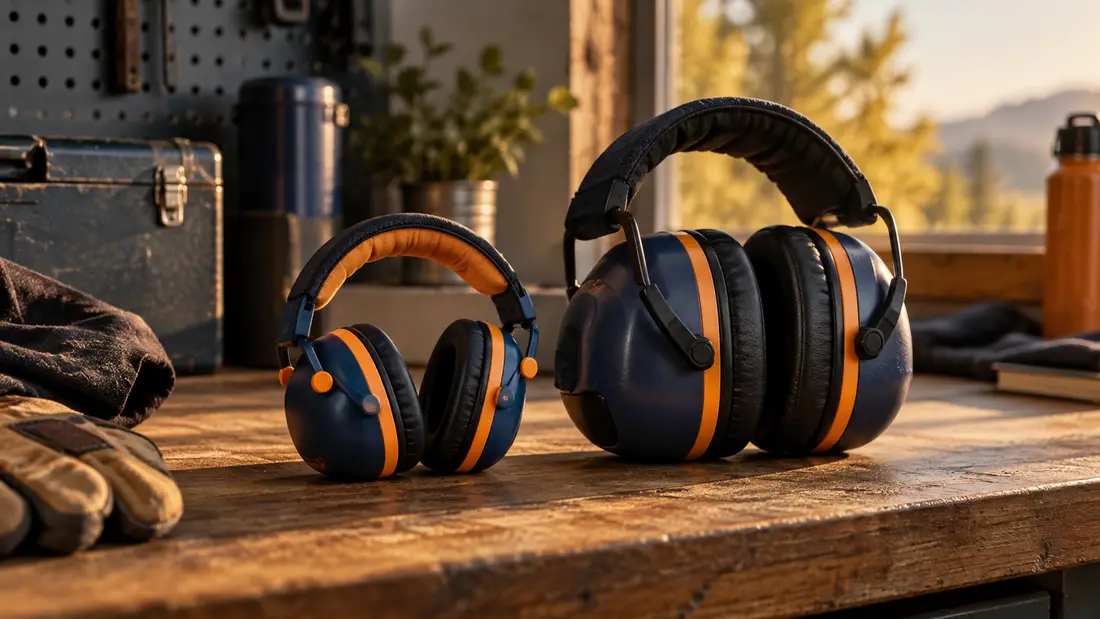
    The National Institute on Deafness and Other Communication Disorders includes attending shooting sports among activities that can expose children to harmful sound. Its family guidance emphasizes avoiding loud noise where possible and using appropriate hearing protection when it cannot be avoided. The agency also explains that protective earmuffs must fit properly; glasses, hats and hair can interfere with the seal. National Institute on Deafness and Other Communication Disorders guidance.

    The guidance notes that earmuffs and earplugs together can further reduce sound in very noisy settings. It does not say that any device makes every exposure harmless. Fit, the setting and correct use matter, and no hearing protector blocks all sound. A child who is only watching still needs the same deliberate consideration of the sound environment.

    Our planning suggestion is to discuss spectator arrangements with the venue before bringing a child to an event. Ask where spectators may stand, what protection is required and whether a suitable quieter area is available. Make those decisions before arriving at an active range, when noise and unfamiliar surroundings can make communication harder.

    Choose protection with help appropriate to the child and the activity, and follow the manufacturer’s instructions. If a child cannot comfortably keep suitable protection in place, reconsider the visit rather than relying on a brief exposure being harmless. This feature is general prevention information, not an individual medical assessment or a product test. Questions about hearing symptoms or a child’s specific needs belong with a qualified health professional. A well-planned outing should account for everyone present, including those who never participate in the sport.

    Continue reading Safety & Training. See our editorial standards for sourcing and image disclosures.

    Related reading: Choose Hunter Education Through the State’s Official Route.

  • Choose Hunter Education Through the State’s Official Route

    Choose Hunter Education Through the State’s Official Route

    Reference feature. Source checked October 13, 2026.

    The International Hunter Education Association-USA offers a course finder organized by state. Its map connects readers with hunter-education requirements and classes across all 50 states, including general hunter education and other course types. The same page distinguishes introductory Firearm Fundamentals offerings from the state-focused course search. That separation matters when a reader is looking for a specific credential rather than general learning. IHEA-USA course finder.

    A course title that sounds relevant does not establish that it meets the requirement for an intended license or destination. Start with the state agency’s current instructions, then follow its recognized enrollment route. Requirements about age, format or additional in-person components should be checked with that program.

    Our recommended first step is to write down the purpose of the training: obtaining an initial certification, refreshing knowledge or meeting another specific requirement. Then ask the provider how its course meets that purpose. Keep the answer, enrollment details and completion record together. This reduces the chance of completing an interesting class that does not supply the credential you actually need.

    Good preparation also includes practical questions about accessibility, class location, equipment expectations and cancellation terms. Ask them before paying or arranging travel. This article does not endorse an individual instructor or promise recognition of a certificate across jurisdictions. It directs readers to an established starting point and encourages verification with the relevant state program. Education is most useful when the learner understands both what the course teaches and what the resulting record of completion does, and does not, establish.

    Continue reading Safety & Training. See our editorial standards for sourcing and image disclosures.

    Related reading: After Hunter Education, Keep Learning With a Clear Purpose.

  • After Gun Storage Check Week, Keep the Review on the Calendar

    After Gun Storage Check Week, Keep the Review on the Calendar

    Reference feature. Source checked October 13, 2026.

    NSSF’s Gun Storage Check Week campaign encourages firearm owners to revisit their storage practices and take action where needed. The program identifies June 1–7 and September 1–7 as its observances and provides materials for community participation. Its current page also emphasizes a year-round point: people’s circumstances change, so storage decisions deserve periodic review. NSSF Gun Storage Check Week program.

    The campaign is an industry-led safety initiative. Its message focuses on preventing unauthorized access and reducing the risks of accidents, theft and suicide. The observance provides a prompt for action, but the calendar week is not the limit of the responsibility it describes.

    Our suggested follow-through is a simple recurring household reminder. Use it to check the storage plan against current circumstances, consult device instructions and identify any question that needs qualified help. A move, visiting relatives or changes in who has access to the home can justify a review sooner than the next reminder.

    For clubs and businesses sharing the campaign, connect awareness materials to a useful next step: an official educational resource, a storage discussion or an opportunity to ask a qualified instructor questions. Avoid treating a social-media post as evidence that a household’s storage is now secure. This is a prevention topic that benefits from modest, concrete actions and clear responsibilities. Our coverage reports the program’s purpose without claiming that campaign participation alone measures safety outcomes. The goal is to make secure storage a maintained practice rather than a message remembered briefly during a designated week.

    Continue reading Safety & Training. See our editorial standards for sourcing and image disclosures.

    Related reading: Out of Sight Is Not the Same as Secure Storage.

  • Little Rock Safety Initiative Brings Free Locks to Local Partners

    Little Rock Safety Initiative Brings Free Locks to Local Partners

    News analysis. Source checked October 13, 2026.

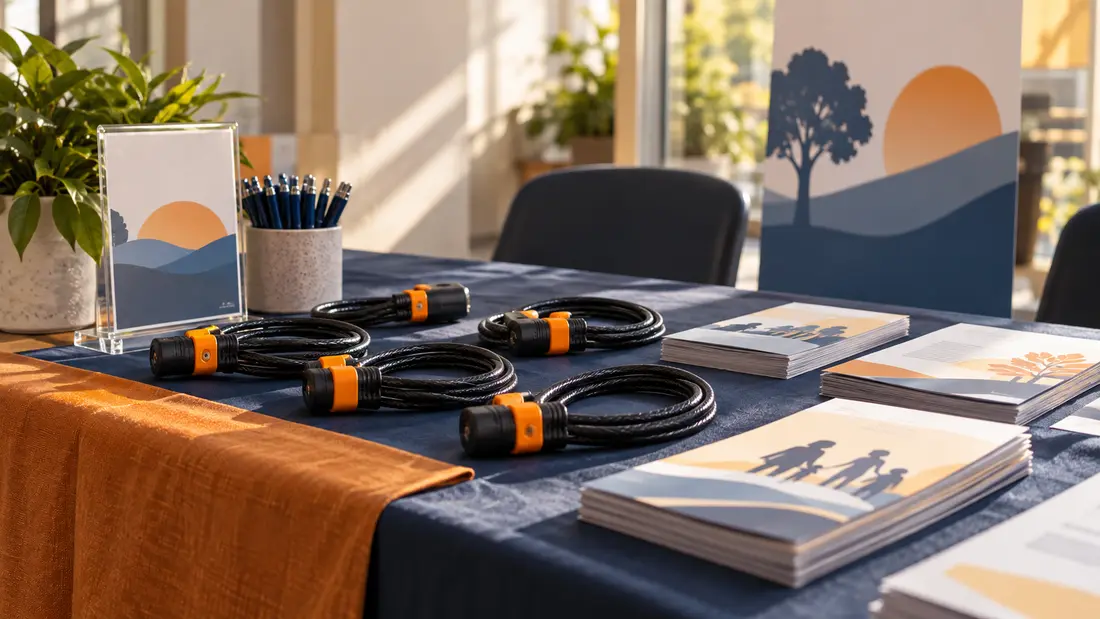
    Project ChildSafe announced a Little Rock initiative in August with police, fire and sheriff’s-office partners and local organizations. Its release states that 1,000 cable locks and educational resources were delivered to partners for distribution at no cost. The program’s stated aim is to support secure storage and prevent accidents, theft and misuse. The announcement describes a distribution effort, not a guarantee that every location still has supplies. Project ChildSafe Little Rock announcement.

    The participating organizations include the Little Rock Police Department, Little Rock Fire Department and Pulaski County Sheriff’s Office. The release also describes community partners from health, veterans and firearms organizations. That mix makes the initiative a local access point for safety information rather than only a national awareness message.

    For residents seeking a kit, our recommendation is to confirm current distribution details with a participating organization before making a trip. Ask about availability and any instructions for collecting a kit. Do not bring a firearm to a distribution location unless that organization has specifically provided lawful, appropriate directions to do so.

    A supplied lock is one part of a storage plan. Use the device according to its instructions and seek qualified guidance if its application is unclear. This report does not test the equipment or assess an individual home. The public-interest value of the announcement is the connection between educational information and a concrete resource. Future evaluation would need to look beyond how many locks were announced and ask whether people received usable guidance and maintained secure storage afterward.

    Continue reading Safety & Training. See our editorial standards for sourcing and image disclosures.

    Related reading: Out of Sight Is Not the Same as Secure Storage.

  • Estate Planning Enters the Firearm-Safety Conversation

    Estate Planning Enters the Firearm-Safety Conversation

    News analysis. Source checked October 13, 2026.

    Project ChildSafe announced a partnership with Slingit in September focused on inherited firearm collections and responsible estate planning. The announcement describes tools for organizing and evaluating collections and an option to identify Project ChildSafe as an intended beneficiary of proceeds. It explicitly states that such a designation is informational and does not replace a will or other estate-planning documents. Project ChildSafe partnership announcement.

    The distinction is the most important part of the announcement for readers. A digital inventory, an appraisal and a legally effective estate plan serve different purposes. The release encourages consultation with a qualified attorney. It should not be read as a determination that a platform entry alone transfers ownership or resolves the rules governing a particular collection.

    Our editorial recommendation is to begin the family conversation while the owner can still explain the records and intentions. Identify where documentation is kept and which qualified professionals should be contacted when needed. Avoid sharing sensitive inventory details more widely than necessary. Preparation should reduce uncertainty for the people responsible later, not create a new informal record that conflicts with the formal plan.

    This report describes the announced collaboration and does not evaluate Slingit’s services, fees, security or valuations. Readers considering any service should review its current terms and obtain the legal guidance appropriate to their circumstances. The broader lesson is that responsible ownership has a future tense: a collection’s next custodian may need clear instructions, safe access arrangements and professional help, even if the present owner regards those details as familiar.

    Continue reading Safety & Training. See our editorial standards for sourcing and image disclosures.

    Related reading: Out of Sight Is Not the Same as Secure Storage.