Author: nnachman

  • American Outdoor Brands’ Sales Comparison Needs Its Timing Footnote

    American Outdoor Brands’ Sales Comparison Needs Its Timing Footnote

    American Outdoor Brands reported $37.3 million in net sales for the fiscal quarter ended July 31, 2026, a 25.4% increase over the year-earlier period. The September 3 earnings release also reported a GAAP net loss of $1.5 million and gross margin of 53.0%.

    The company explained that retailers had shifted approximately $6 million of orders out of the prior-year comparison quarter into an earlier period. On its adjusted comparison, sales growth was 4.3%. That adjustment is central to interpreting the headline increase; it should be presented as management’s supplemental calculation, alongside the reported figure.

    This is an example of why the timing of orders matters when reading a quarter. A comparison can change sharply because its starting point was unusually low or high. That does not make the published sales figure false, but it changes the question a careful reader should ask: how much of the movement reflects the comparison period itself?

    The company serves several outdoor categories, so its total revenue is not a standalone measure of firearm sales or the entire shooting-sports market. Our analysis focuses on reading the disclosure accurately rather than extrapolating it into a universal demand forecast. Keep the fiscal period, accounting result and supplemental adjustment together when comparing subsequent releases. A chart stripped of those labels may look precise while omitting the reason two percentages differ. Gunfire has not audited the issuer or independently reconstructed every adjustment. This is business reporting from a dated primary source, with no investment rating, product endorsement or claim that one company’s experience describes every retailer or manufacturer in the sector.

    Explore more industry insider and read Gunfire’s editorial standards. Source reporting was checked on October 13, 2026; the original announcement date is shown above.


  • SHOT Show’s Fall Update Highlights the Work Behind a Trade Event

    SHOT Show’s Fall Update Highlights the Work Behind a Trade Event

    SHOT Show published a September 16 planning update for exhibitors as preparations continued for its January 19–22, 2027 event in Las Vegas. The organizer’s article emphasizes correctly identifying brands in event directories and notes that the deadline for additional listings fell in the first week of October.

    That deadline had passed by this article’s October 13 check. The announcement should therefore be read as a dated planning update, not a promise that an exhibitor can still obtain a particular listing. The organizer identifies the Venetian Expo and Caesars Forum as the venues for the forthcoming show.

    Behind any large trade event sits an information problem: visitors need to match a company name, a brand and a physical location without guessing. A directory can be visually polished yet frustrating if those relationships are unclear. Our editorial reading is that accurate metadata is part of the visitor experience, not simply an administrative detail.

    This matters for media coverage too. A company announcement, a sponsored video and an independently reported article should remain distinguishable, even when all three discuss the same event. Readers deserve to know who produced a claim and whether a publication independently checked it. Gunfire has not attended the 2027 show or agreed to provide sponsored coverage through this report. We will identify any future commercial relationship where it applies. For those following the calendar, trade-event dates and admission rules should be confirmed directly with the organizer; they should not be assumed to match the public events in our gun-show directory. The current news is the continuing preparation for a future show, with its deadlines and promotional context clearly labeled.

    Explore more industry insider and read Gunfire’s editorial standards. Source reporting was checked on October 13, 2026; the original announcement date is shown above.

  • Hearing Protection Reviews Should Begin With Fit

    Hearing Protection Reviews Should Begin With Fit

    The most useful hearing-protection review starts with a question that a product photograph cannot answer: does the equipment provide suitable protection when a particular person wears it? A long features list is easier to publish than a credible answer. This is a source-based review-methodology explainer; Gunfire has not conducted a comparative equipment test for this article.

    NIOSH emphasizes correct selection, fit and consistent use. Its workplace guidance also distinguishes ordinary active-noise-canceling headphones from labeled hearing protectors, and recommends double protection for impulse noise. These are safety principles, not a ranking of consumer products. Read the NIOSH guidance.

    A meaningful review should identify the exact model and explain how fit was assessed. Head shape, eyewear and the way a reviewer wears equipment should be recorded rather than hidden behind a universal comfort score. A favorable experience for one person cannot establish the same result for every reader.

    Next, separate observations from measurements. A reviewer may describe weight, controls, storage space or whether instructions were easy to follow. Claims about protection require appropriate evidence. Words such as quiet, comfortable and premium cannot stand in for a documented assessment of hazardous noise.

    Finally, consider the whole day rather than the unboxing. A useful editorial report would document the conditions of use, maintenance guidance, supplied accessories and any interruptions in wearing the protector. It would also disclose who supplied the sample and which conclusions remain uncertain. Readers deserve to know whether a judgment came from laboratory evidence, an individual observation or a manufacturer statement. Treat those categories differently when comparing coverage. If they are blurred together, the review has not yet earned a recommendation.

    Continue with Product Reviews and read our editorial standards.

  • Protective Eyewear: Read the Evidence Behind the Lens

    Protective Eyewear: Read the Evidence Behind the Lens

    Protective eyewear can look convincing in a polished photograph while leaving the most important questions unanswered. A lens color, dramatic frame or product nickname says little about the evidence supporting a protection claim. This source-based overview describes how Gunfire readers can examine coverage; it is not a hands-on test or a product endorsement.

    OSHA identifies ANSI Z87.1 as a consensus standard addressing matters including testing, markings, selection, care and use of eye protectors. Its discussion concerns occupational and educational protection, not an automatic certification of every item marketed to recreational shooters. OSHA’s standards overview provides the reference point.

    An informative article should reproduce the exact claimed standard and identify where the claim came from. A manufacturer declaration, a visible marking and an independent test report are different forms of evidence. A review should not quietly convert one into another. Photographs should make the model and markings legible without implying that appearance proves performance.

    Comfort also needs a clear context. A reviewer can explain whether a frame interfered with their own prescription glasses or other equipment, while acknowledging that another face may fit differently. A broad superlative such as universally comfortable conceals that limitation. Notes about fogging, cleaning and long wear become useful only when conditions and observation periods are explained.

    For readers, the practical question is whether the article makes its limits easy to see. Look for the exact model, source documents, disclosed sample arrangements and a distinction between subjective impressions and verified specifications. An honest unanswered question is more valuable than a confident conclusion based on appearance. Protective equipment deserves careful evaluation, with suitability checked against the actual setting and professional guidance rather than a magazine score alone.

    Continue with Product Reviews and read our editorial standards.

  • A Security Rating and a Fire Rating Answer Different Questions

    A Security Rating and a Fire Rating Answer Different Questions

    A product described as a safe may carry several different promises. Security, fire resistance, capacity and convenience belong in separate columns of a review because evidence for one does not automatically substantiate another. This is an editorial explainer based on published certification information, not a destructive test or a recommendation of a particular container.

    UL Solutions explains that residential security containers intended for security differ from fire-resistant containers. Its 2017 overview describes security performance tiers under UL 1037. The essential takeaway is the separation of claim types, rather than treating the word safe as a single, universal level of protection. Read UL’s explanation.

    A responsible review would first transcribe the exact label and identify the tested model. It would then explain the scope of the cited documentation. A brochure headline may describe a product family while a certification applies to a narrower configuration. Readers should be able to trace the statement back to a record instead of relying on a badge in an advertisement.

    Capacity deserves similar care. An advertised number of items is not a complete description of usable interior space. An editorial assessment can document dimensions, shelves and access constraints without staging an unrealistic arrangement or implying a universal fit. The review should state whether these details were measured or simply taken from published specifications.

    We would also want the article to discuss ownership beyond delivery: documentation, service arrangements and the manufacturer’s installation requirements. Those topics help readers understand what has and has not been evaluated. None replaces an appropriate professional assessment of a household’s storage needs. The better review ends with a precise account of evidence and uncertainty, rather than a dramatic claim that any product makes all risks disappear.

    Continue with Product Reviews and read our editorial standards.

  • When a Gear Review Prints a Number, Ask How It Was Measured

    When a Gear Review Prints a Number, Ask How It Was Measured

    A highly precise number can make a review seem authoritative. Precision in typography, however, is not proof that the measurement deserves that confidence. For accessories, storage equipment and protective products, the method behind a number should be visible to the reader. This is a review-methodology article; it reports no Gunfire laboratory measurements.

    NIST explains that metrological traceability belongs to a measurement result rather than simply to an instrument or laboratory. It involves a documented chain of calibrations and associated uncertainty. That distinction is valuable when a review uses a scientific-sounding label without explaining the actual work. NIST’s traceability overview sets out the principle.

    An editor should ask what was measured, with which instrument, under which conditions and how many times. A useful report would preserve units and describe its procedure well enough for a technically qualified reader to understand the limits. A single result copied from a specification sheet should remain labeled as a specification.

    Comparisons need special care. If two products were assessed under different conditions, the article should not present a small difference as a decisive victory. Likewise, reporting a long string of decimal places can create a false impression of certainty. A clear explanation of uncertainty is often more informative than an elaborate chart.

    Readers do not need to become laboratory specialists to benefit from this approach. They can simply look for a visible path from claim to evidence. Where the path stops, the conclusion should stop too. A review that explains what it could not establish is doing useful work. It allows readers to distinguish measurements, personal impressions and manufacturer promises, and keeps attractive data graphics from becoming a substitute for meaningful product evaluation.

    Continue with Product Reviews and read our editorial standards.

  • A Product Overview Is Useful—When It Says What It Is

    A Product Overview Is Useful—When It Says What It Is

    A well-researched product overview can help readers understand terminology, design claims and unanswered questions. Its value disappears when the article starts describing experiences that nobody actually had. The distinction is straightforward: reporting what a source says is different from reporting what an editor observed.

    The Federal Trade Commission’s guidance addresses deceptive reviews and misrepresented experience. Its questions and answers explain the scope of its consumer-review rule, including important distinctions among types of endorsements. Read the FTC’s explanation. This article uses that guidance as an editorial reference, not as individualized legal advice.

    For Gunfire, a source-based overview should make its method plain near the beginning. Manufacturer specifications should be attributed, independent records should be linked and missing information should be identified. Descriptions such as we found, our sample and after months of use belong only in reporting supported by actual documented work.

    An overview can still be original. It can organize confusing information, explain which claims address different questions, compare the scope of available documentation and identify what a future test should examine. That analytical work does not require invented sensations, fictional range sessions or a numerical score.

    Readers can apply a simple check: locate the paragraph that explains how the writer reached the conclusion. If it offers only marketing language, the article has not established a testing basis. If it clearly describes a documentary review, judge it on the quality and transparency of that research. The strongest editorial relationship begins with accurate labels. A useful overview should leave readers better informed about both the product claims and the boundaries of the available evidence, without suggesting that confidence can replace firsthand experience.

    Continue with Product Reviews and read our editorial standards.

  • Who Supplied the Sample? A Small Disclosure With a Big Job

    Who Supplied the Sample? A Small Disclosure With a Big Job

    A product article begins before the writer opens the box. Someone selected the item, arranged access and decided what would happen to it afterward. Readers do not need a commercial biography of every review, but they do need enough context to understand relationships that could affect the coverage. This is an editorial-methodology guide rather than a review of equipment.

    The FTC’s 2023 update to its Endorsement Guides emphasizes clear disclosure and addresses practices that can distort the impression created by reviews. The agency also notes that a platform’s built-in disclosure feature may not be sufficient on its own. Read the FTC announcement.

    A useful disclosure should use ordinary language. Did the publisher purchase the sample, borrow it or receive it without charge? Is the company an advertiser? Was the article commissioned or sponsored? These are different questions, and one vague phrase may not answer all of them. Readers should not have to search a footer to discover the relationship.

    Disclosure also should not be treated as a substitute for scrutiny. A free sample does not prove a conclusion is wrong; purchasing an item does not prove a test was sound. The article still needs a clear method, reliable documentation and a fair account of limitations. Transparency lets readers evaluate the evidence instead of guessing about the relationship.

    For a magazine, consistency is especially important. Similar arrangements should receive similarly visible explanations, regardless of whether the product earns favorable commentary. The aim is an honest reading experience in which facts, observations and commercial context remain easy to distinguish. That standard protects the usefulness of the review itself, while giving readers the information they need to decide how much weight to place on it.

    Continue with Product Reviews and read our editorial standards.

  • Electronic Hearing Protection: Features Need Separate Evidence

    Electronic Hearing Protection: Features Need Separate Evidence

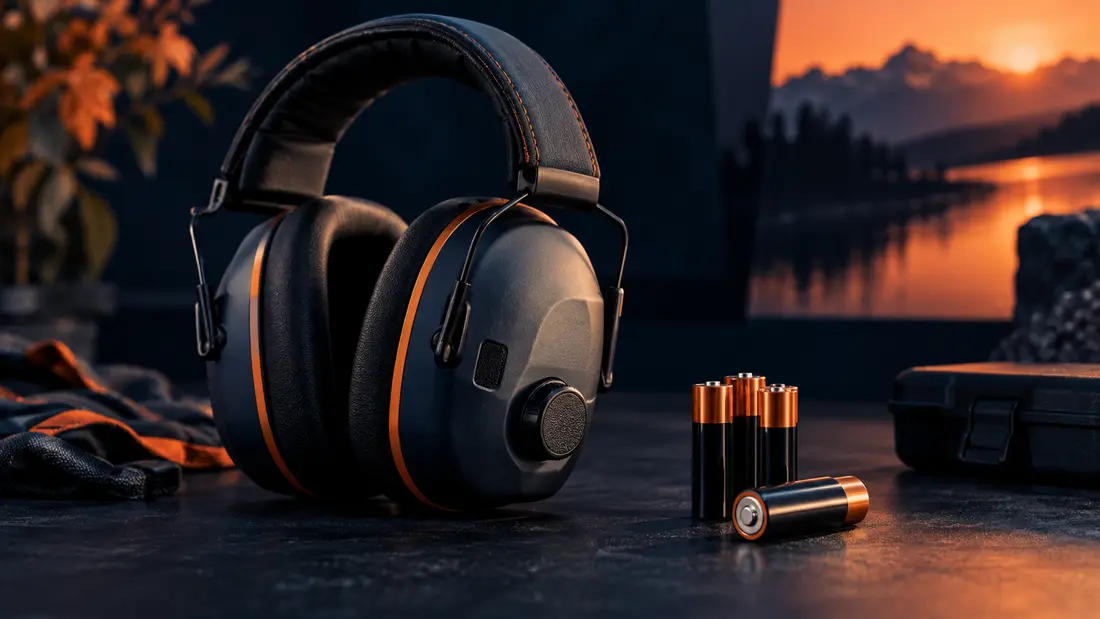
    Electronic controls can dominate the conversation about hearing protection. Battery life, microphones, connectivity and buttons are easy to describe and photograph. They do not, by themselves, answer the protective-performance question. This source-based article outlines a responsible way to read such reviews; no device has been tested or rated here.

    NIOSH distinguishes hearing-protector types and describes specialized features such as sound restoration and communication technologies. It also cautions that active noise cancellation alone should not be treated as hearing protection without the relevant labeling. NIOSH’s hearing-protection guidance supplies the underlying distinction.

    An editorial evaluation should give each claim its own evidence. Battery endurance requires a stated observation period and conditions. Control usability calls for a description of who tried the interface and what they did. A protection claim requires suitable technical documentation and assessment. Combining all three into one enthusiastic adjective conceals more than it explains.

    For readers, the most revealing part of a review may be its treatment of failure and uncertainty. Does it explain what the instructions say when power is unavailable? Does it distinguish a manufacturer statement from something the reviewer independently established? Does it describe compatibility limits without turning one individual’s experience into a universal judgment?

    A strong article would also resist rewarding unnecessary complexity. Features deserve attention when the evidence explains their purpose and limits, not merely because they increase a specification count. The right editorial conclusion might be that a question remains open pending proper evaluation. That is more useful than presenting electronics as a shortcut around fit, consistent use and a setting-specific assessment of protective needs. Read the documentation and consult qualified guidance for the environment in which protection will be used.

    Continue with Product Reviews and read our editorial standards.

  • Why Protective Equipment Should Be Reviewed Together

    Why Protective Equipment Should Be Reviewed Together

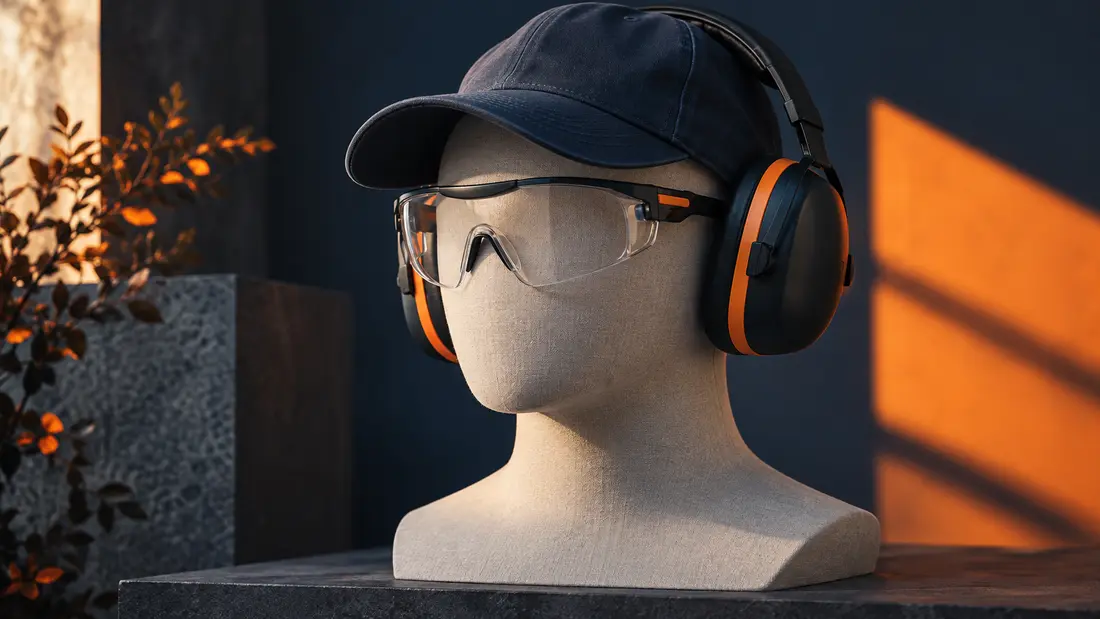
    A review photograph often isolates a product against a clean background. Real use is less tidy: glasses, hearing protection, headwear and prescription needs can overlap. Evaluating only one item may miss the question a reader actually faces—whether the complete combination works appropriately for that person and setting.

    OSHA’s protective-equipment guidance discusses fit and compatibility, noting that different protective items may interfere with one another. Its selection guide is not a substitute for a complete assessment of the hazards involved. Read OSHA’s chapter on protective equipment. This article applies that general principle to review methodology, not to a tested product combination.

    An editor can make coverage more useful by asking the reviewer to describe the full configuration. Which other items were worn? Was prescription eyewear involved? Were adjustments made under the manufacturer’s instructions? Clear records prevent an isolated observation from being mistaken for a guarantee that every combination will behave the same way.

    Photographs have a role, too. They can show the context of an actual documented evaluation, with consent and accurate captions. A conceptual illustration can introduce the topic but cannot establish fit or protection. Readers should be able to tell which kind of image they are seeing without having to inspect fine print.

    The best conclusion is specific to the evidence. A reviewer may report that a combination felt uncomfortable to them after a stated period; that observation should not become a universal technical verdict. Conversely, a comfortable combination has not automatically proved adequate protection. Keeping those statements separate creates a more useful review and encourages readers to check their own needs with qualified professionals. Compatibility belongs in the main evaluation, alongside the product’s advertised features, because the equipment will ultimately be used as part of a system.

    Continue with Product Reviews and read our editorial standards.