
The Shift Toward Digital Administration
For the modern hunter, the transition from the planning phase to the field is increasingly defined by administrative readiness. As public lands move to streamline access, the reliance on digital platforms has become a central component of the hunting experience. This is not merely a matter of convenience but a fundamental requirement for legal participation on many federal properties. According to the U.S. Fish and Wildlife Service, the Okefenokee National Wildlife Refuge has shifted its Suwannee Canal Recreation Area deer hunt permit process from paper applications to an online system via Recreation.gov, a change that underscores the necessity of checking specific refuge requirements well before the season begins (https://www.fws.gov/refuge/okefenokee/visit-us/activities/hunting). Similar patterns are evident across the country, where lottery systems and permit windows dictate the scope of available hunts, such as the waterfowl opportunities at Mattamuskeet National Wildlife Refuge, which also utilizes Recreation.gov for permit issuance.
These systems are designed to manage hunter density and resource impact, but they place a higher burden of preparation on the individual. Hunters must be diligent in tracking not just the season dates, but the specific application deadlines and lottery windows that precede them. Failing to secure the correct permit—or failing to have it properly signed or downloaded—can render a planned trip impossible. The administrative reality is that a hunt begins long before the gear is packed, with the verification of tags, licenses, and unit-specific permits serving as the primary gatekeeper to the field.
Safety Protocol as a Prerequisite
Beyond the paperwork, the physical and safety-related planning for a trip into the backcountry remains a critical, non-negotiable step. The Forest Service emphasizes that the number one tool for survival when lost or injured is a positive mental attitude, supported by concrete preparatory actions. Before heading out, recreationists are advised to tell someone where they are going and when they plan to return, a simple step that provides rescuers with a starting point in an emergency (https://www.fs.usda.gov/r04/safety-ethics/recreating-outdoors-planning-hiking-hunting-fishing-equestrian). This fundamental step is explored in detail in our recent feature, The Trip Plan That Belongs Beside Your Hunting Checklist, which outlines how to structure these communications effectively.
The Forest Service guidance also highlights specific environmental hazards that are often overlooked until they become immediate problems. For instance, the presence of "hazard trees"—trees with structural defects such as broken limbs, basal scars, or signs of rot—poses a significant risk in forested areas. Campers and hunters are advised to avoid standing or camping under leaning or dead trees and to be aware of their surroundings at all times. Furthermore, the reliance on digital navigation tools requires a backup plan; while GPS is a standard tool, the Forest Service recommends carrying maps, compasses, and spare batteries. Dehydration and hypothermia remain the primary physical threats to outdoor recreationists, and the ability to manage these risks through proper clothing, hydration, and first aid is as vital as the hunting equipment itself.
The Broader Impact of Recreational Access
The relationship between the hunter and the land is multifaceted, involving not just the act of hunting but a continuous contribution to conservation. The National Park Service notes that hunters contribute billions of dollars to conservation efforts through revenue generated from licenses, federal duck stamps, and excise taxes on hunting equipment and ammunition. This financial support is a pillar of the system that allows public lands to remain accessible and managed for future generations.
This symbiotic relationship requires a high level of responsibility from those who utilize these spaces. As discussed in Public lands. Shared responsibility., the stewardship of these areas is a collective effort. Whether it is packing out trash, staying on marked trails to prevent erosion, or respecting the rules of the specific refuge or forest, the behavior of the individual hunter directly impacts the sustainability of the sport. The administrative and safety protocols discussed above are not merely regulatory hurdles; they are part of a broader framework designed to ensure that public lands remain safe, productive, and available for diverse recreational activities. By integrating these administrative and safety habits into the routine of the season, hunters ensure that they are prepared for the logistical demands of the field while upholding the standards of responsible outdoor recreation.
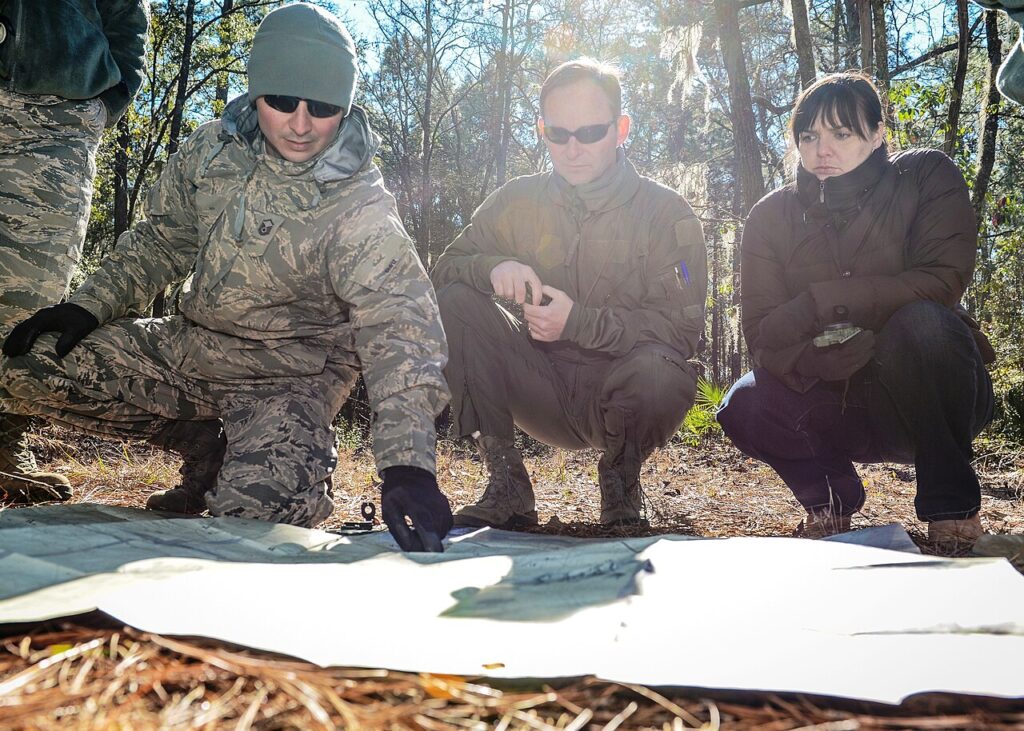
Representative photo showing the importance of manual land navigation skills, which serve as a critical safety backup for hunters using digital tools in the field. Photo: Georgia National Guard from United States / Wikimedia Commons · CC BY 2.0. Resized for display. Sources checked October 23, 2026.

Sources & further reading
- Intermountain Region | Recreating Outdoors: Planning, Hiking, Hunting, Fishing, Equestrian | Forest Service ↗
- Hunting at Okefenokee National Wildlife Refuge | FWS.gov ↗
Sources reviewed 2026-10-23.
Prepared for Gunfire Magazine with AI assistance from the linked source material and the publication’s editorial brief. This piece does not claim original interviews, on-site reporting or hands-on product testing.