

RESEARCH-BASED PRODUCT FEATURE
Based on published manufacturer specifications. Gunfire Magazine has not physically tested this product for this article.
The Dynamics of Seasonal Gear Management
The transition through late October into November marks a period of significant fluctuation for firearm owners. As hunting schedules intensify and recreational patterns shift, the movement of equipment between the field, the vehicle, and the home increases. This period of high activity requires a disciplined approach to storage that remains consistent, regardless of whether a firearm is being prepped for the next outing or cleaned after a weekend in the woods. According to the Project ChildSafe initiative, responsible firearm ownership is a year-round commitment, emphasizing that safety is always in season. Their Hunt S.A.F.E. framework—which stands for Store your firearms responsibly, Always practice firearm safety, Focus on your responsibilities, and Education is key—provides a structured approach to this seasonal rhythm. By applying these principles, owners can mitigate risks associated with unauthorized access, theft, or accidents, particularly when gear is moving frequently between locations. Detailed guidance on these practices can be found at https://projectchildsafe.org/hunt-safe/.
For many, the logistical challenge of mid-season storage involves managing gear that is in a state of flux. A firearm that was in a vehicle on Saturday may be in the home on Sunday, creating a need for flexible but reliable security solutions. As noted in industry research, "out of sight" does not equate to "secure storage," and relying on concealment alone is insufficient for long-term safety. Owners are encouraged to evaluate their storage environment periodically, as life circumstances change and the volume of gear in rotation may fluctuate. This assessment process is detailed further in The Autumn Audit: Refreshing Your Storage Routine, which outlines the importance of verifying that storage containers and locking mechanisms remain effective and accessible only to authorized users.
Auditing Your Storage Infrastructure
The NSSF, through its "Make Sure It's Secure" campaign, reinforces the necessity of year-round vigilance regarding storage practices. While the industry highlights specific observances like Gun Storage Check Week, the underlying message is that these checks should be a recurring administrative task for every firearm owner. The NSSF’s safety resources, found at https://www.nssf.org/safety/, emphasize that creating safer communities involves partnerships with law enforcement and community leaders, but it begins at the individual level with the responsible storage of one's own equipment. Furthermore, the logistics of transport deserve equal attention. As discussed in Plan Secure Storage Before the Car Trip, managing firearms during travel requires a proactive plan that anticipates stops, lodging, and the transition from the vehicle to the field. Integrating these practices into your regular hunting preparations ensures that security becomes a seamless part of the trip rather than an afterthought.
Periodic reviews of your storage setup are essential. This includes inspecting the physical integrity of your safes, ensuring that locking mechanisms are functioning correctly, and verifying that keys or combinations are managed securely. The NSSF emphasizes that checking storage practices should be part of a regular, ongoing review, rather than a one-time event. Whether you are using cable locks, lock boxes, or full-size safes, the effectiveness of these tools depends on their consistent use. By treating storage as a dynamic logistical requirement rather than a static fixture, owners can better adapt to the changing demands of the season.
Community Engagement and Mental Health
Beyond physical storage, the industry has expanded its focus to include mental health and suicide prevention resources. By providing educational materials and encouraging open discussions about mental health, the industry aims to support firearm owners in making informed decisions about access to lethal means. The website BraveConversation.org, highlighted by the NSSF, serves as a hub for these resources, offering materials designed for firearm retailers, shooting ranges, and families to help prevent suicide while respecting Second Amendment rights. As noted in NSSF’s New BraveConversation.org Website Provides Suicide Prevention Resources and Shareable Graphics, more than half of firearm-related fatalities are suicide deaths, making the integration of mental health awareness into the broader safety conversation a critical component of responsible ownership. This broader approach to safety—which includes secure storage, mental health awareness, and consistent, responsible handling—forms the complete picture of what it means to be a responsible owner in the current landscape. Regularly reviewing your storage setup, verifying the function of locks, and engaging in these broader safety conversations are not merely one-time tasks; they are essential components of maintaining a responsible and secure armory throughout the changing seasons.
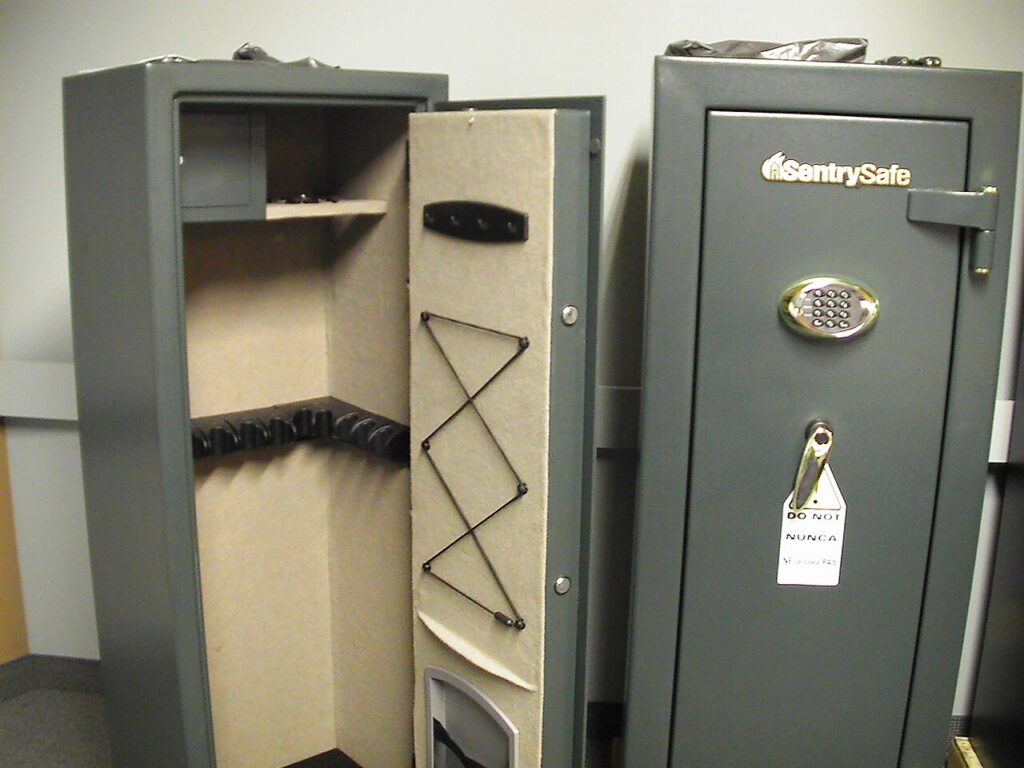
Representative photo showing secure storage infrastructure, highlighting the importance of reliable locking mechanisms for responsible firearm management throughout the seasons. Photo: User:IssueLips / Wikimedia Commons · Public domain. Resized for display. Sources checked October 27, 2026.

Sources & further reading
- Hunt S.A.F.E – Project Childsafe ↗
- Safety • NSSF ↗
- NSSF’s New BraveConversation.org Website Provides Suicide Prevention Resources and Shareable Graphics • NSSF ↗
- Gun Storage Check Week® • NSSF ↗
Sources reviewed 2026-10-27.
Prepared for Gunfire Magazine with AI assistance from the linked source material and the publication’s editorial brief. Specifications and manufacturer claims are attributed to their original sources.