

RESEARCH-BASED PRODUCT FEATURE
Based on published manufacturer specifications. Gunfire Magazine has not physically tested this product for this article.
The Philosophy of Operational Readiness
As the calendar turns toward the end of October 2026, the cadence of the shooting season naturally begins to shift. For many, this transition from active range participation to the quieter months of the year provides an opportune moment for a comprehensive administrative review. In the corporate world, this is the time for fiscal reporting and operational audits; for the private firearm owner, it is the ideal window to ensure that one's personal armory is documented, secure, and ready for the next cycle. By adopting a mindset of long-term stability rather than short-term maintenance, owners can ensure their equipment remains a reliable asset for years to come.
This approach mirrors the philosophy of industry leaders who prioritize consistent, ethical reporting over the volatility of short-term market fluctuations. Sturm, Ruger & Co., Inc., for instance, has long maintained that its commitment to the investment community is built upon solid, straightforward reports of operating results, avoiding the burden of excessive debt and focusing instead on sustainable growth (Source: https://www.ruger.com/corporate-new/history.html). This dedication to transparency and stability is not merely a financial strategy; it is a fundamental operational principle. When applied to your own collection, this same rigor transforms a simple storage routine into a robust administrative protocol. Just as a publicly traded company must provide verifiable data to its shareholders, a responsible owner should maintain a clear, accurate record of their own equipment.
Auditing Your Personal Archive
An effective audit begins with documentation. Much like the historical research process described in The story behind the steel., your personal collection is a narrative that requires accurate evidence. This starts with the basics: verifying serial numbers, ensuring that instructional manuals are accounted for, and matching your inventory against your insurance or personal records. It is a process of verification, not just organization.
When you sit down to review your gear, consider the provenance of your items. Are your records complete? Does your documentation reflect the current status of each firearm? As noted in The Caption Is Part of the Photograph’s Evidence, context is essential to understanding the value and history of an object. In the context of your own collection, your administrative records serve as the evidence of your ownership and, crucially, your responsible stewardship. This is the time to gather those documents, update your logs, and ensure that every piece of equipment is accounted for. The goal is to move beyond the assumption that your gear is 'somewhere' and into the certainty of knowing exactly where it is and what its condition may be.
Maintaining Long-Term Asset Stability
The concept of 'Arms Makers for Responsible Citizens' is more than a corporate motto; it is a standard for the entire lifecycle of a product (Source: https://www.ruger.com/corporate-new/vision.html). For the individual, this means recognizing that the responsibility of ownership extends to the long-term care and management of the firearms themselves. This includes the administrative environment in which they are kept.
As you audit your storage, look beyond the physical security of the safe or container. Consider the administrative environment. Are your records stored in a way that is both accessible to you and protected from loss? Are you utilizing the resources provided by the manufacturer, such as product registration or online serial number lookups, to keep your information current? A well-organized, audited collection is a reflection of the owner's commitment to the same standards of reliability that define the industry’s best products. By treating your personal archive with the same level of administrative care that a public company applies to its disclosures, you ensure that your equipment remains a reliable, documented asset. This seasonal audit is not just about cleaning or organizing; it is about establishing a pattern of responsible, transparent, and consistent ownership that will serve you well into the next season and beyond.
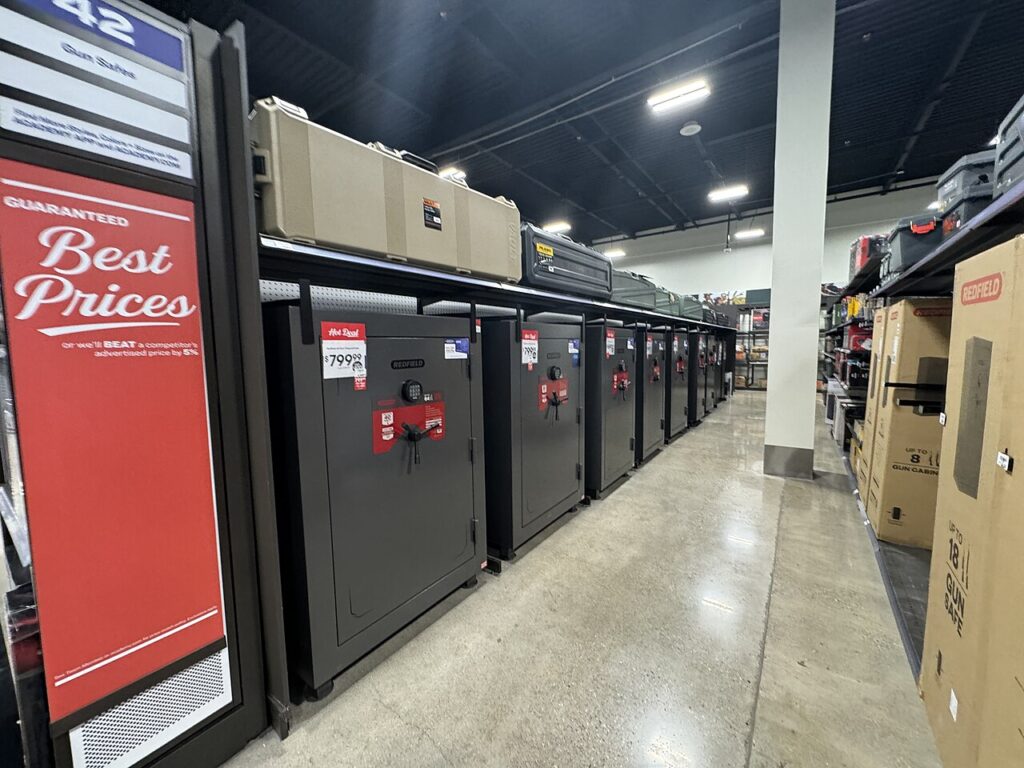
Representative photo: A well-organized storage solution, such as a secure safe, is essential for the long-term administrative care and audit-readiness of a private firearm collection. Photo: Missvain / Wikimedia Commons · CC BY 4.0. Resized for display. Sources checked October 27, 2026.

Sources & further reading
- Sturm, Ruger & Co., Inc. Investor Relations - History ↗
- Sturm, Ruger & Co., Inc. Investor Relations - Vision ↗
Sources reviewed 2026-10-25.
Prepared for Gunfire Magazine with AI assistance from the linked source material and the publication’s editorial brief. Specifications and manufacturer claims are attributed to their original sources.