

Industrial Adaptability as a Personal Model
As the shooting season shifts with the November calendar, the focus naturally moves from the firing line to the administrative and logistical foundations that support your practice. Applying a professional audit to your personal infrastructure is a practice rooted in the history of industrial manufacturing. The Springfield Armory, for example, demonstrated a remarkable capacity for adaptation. According to the National Park Service, the construction of Building 104 in 1940 was a rapid response to urgent defense needs, designed with an open, flexible floor plan that allowed it to transition seamlessly from M1 Garand assembly to evolving technologies like vacuum-packing and early computer-programmed machining. You can find more details on this history at Building 104 (Federal Square) - Springfield Armory National Historic Site. For the individual, the lesson is clear: your storage and range kit infrastructure should not be static. November is the ideal time to audit your space, not just for security, but for workflow efficiency. Does your current storage layout facilitate maintenance, or does it hinder it? Like the Armory, your setup should be modular enough to adapt as your needs change. This approach is explored further in The Seasonal Audit: Applying Corporate Rigor to Your Armory, which emphasizes that treating your collection as a structured organization allows for more sustainable growth.
Governance and Performance Alignment
Organizational strategy is not reserved for large institutions; it is a vital component of personal shooting success. Just as the International Shooting Sport Federation (ISSF) has worked to modernize its governance and event formats, individuals can apply similar rigor to their own routines. In a recent interview, ISSF Sport Director Peter Underhill noted that he prefers fewer events of higher quality rather than a crowded, resource-draining schedule. This philosophy is directly applicable to your personal training goals. Instead of overwhelming your calendar with every possible range visit, November is the time to prioritize. Furthermore, the concept of the "athlete voice" is central to this alignment. When leaders like Abhinav Bindra and Danka Bartekova discuss keeping the Athletes Committee at the heart of decision-making, they are advocating for a feedback loop that ensures policies actually serve the people they affect. Applying this to your own routine means evaluating whether your gear, storage solutions, and training methods serve your current objectives or are merely legacy habits. This self-assessment is critical for long-term consistency, a topic discussed in The Off-Season Shift: Building for the Next Cycle.
Bridging Gaps in Strategy
The transition into the off-season is the perfect time to build bridges between your current capabilities and your future goals. Walter Borghino, an ISSF Ambassador, has highlighted the importance of creating formal bridges between organizations to streamline calendars and educational initiatives, noting that effective collaboration requires clear communication and shared objectives. This collaborative mindset is essential when planning your own seasonal shift. The time you spend now on administrative tasks—updating logs, reviewing your protective gear's condition, and researching regulatory changes—is an investment in your safety and readiness. Finally, consider the importance of inclusion and visibility in your planning. Adriana Ruano, in her reflections on her historic journey to Olympic gold, noted that inclusion is about guaranteeing equal opportunities and visibility for all athletes. You can read her insights at ISSF - International Women’s Day series: Adriana Ruano, making history for Guatemala and women in shooting sport. For the individual, this means seeking out new perspectives and resources. Whether you are auditing your storage, refining your training, or updating your administrative logs, treating this period as a dedicated phase for growth ensures that when the new cycle begins, you are returning with a clearer strategy and a more resilient foundation.
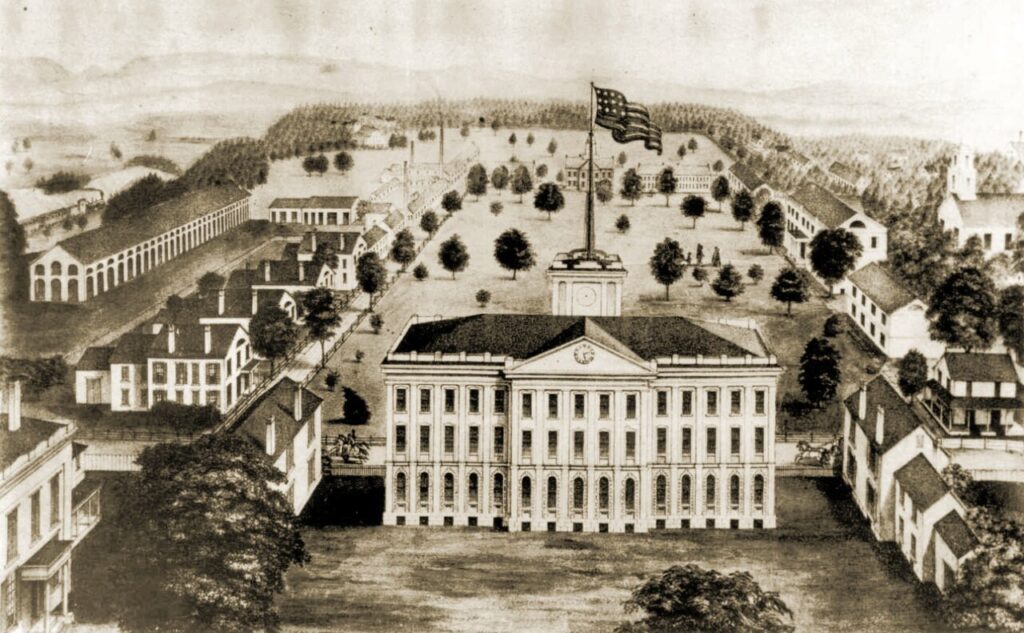
Representative photo: This historic view of the Springfield Armory illustrates the scale and structural planning that serves as a model for personal infrastructure and organizational adaptability. Photo: NPS Photo / Wikimedia Commons · Public domain. Resized for display. Sources checked October 30, 2026.

Sources & further reading
- ISSF - International Women’s Day series: Adriana Ruano, making history for Guatemala and women in shooting sport ↗
- Building 104 (Federal Square) - Springfield Armory National Historic Site ↗
Sources reviewed 2026-10-30.
Prepared for Gunfire Magazine with AI assistance from the linked source material and the publication’s editorial brief. This piece does not claim original interviews, on-site reporting or hands-on product testing.