

RESEARCH-BASED PRODUCT FEATURE
Based on published manufacturer specifications. Gunfire Magazine has not physically tested this product for this article.
Establishing a Seasonal Baseline for Your Collection
As the calendar turns to November, the operational tempo for many firearm owners shifts from active field use to the critical task of long-term maintenance and inventory assessment. This transition period provides a distinct opportunity to conduct a thorough audit of your rifle collection. An audit is not merely about inspecting the physical condition of your firearms; it is a comprehensive process of verifying documentation, assessing the integrity of your storage environment, and aligning your administrative records with the physical reality of your inventory. By approaching your collection with the same rigor applied in industrial manufacturing, you ensure that your assets remain in optimal condition throughout the winter months and are ready for the next cycle of use.
To begin this process, it is helpful to adopt a structured categorization system. Manufacturers often organize their diverse product lines by action type and intended application, which provides a useful model for personal inventory management. For instance, the Ruger Firearms homepage delineates its extensive offerings into specific categories such as bolt-action, autoloading, and rimfire rifles, while also maintaining distinct brand lines like Marlin and Glenfield. By applying a similar taxonomy to your own collection, you can create a logical hierarchy that simplifies future tracking. Grouping your rifles by their mechanical operation or their primary role—whether for target shooting, hunting, or training—allows you to quickly identify maintenance needs specific to each category. This systematic approach is essential for maintaining a clear, updated record of your assets, as detailed in the principles found within Autumn Maintenance: A Seasonal Protocol for Gear Longevity.
Administrative Readiness and Documentation
A successful audit extends beyond the physical hardware to the integrity of your administrative documentation. In the context of responsible ownership, the records you maintain regarding your rifles are as important as the firearms themselves. During your November review, verify that you have accurate records for every item in your collection, including serial numbers, purchase dates, and any relevant service history. This is also the ideal time to ensure that you have access to the correct instruction manuals for each model. If a manual is missing or outdated, manufacturers frequently provide digital resources that can be retrieved and stored for future reference.
When you are verifying specific model details or looking for updated specification sheets, utilizing the manufacturer's digital tools is a standard practice for maintaining an accurate inventory. While the Ruger Firearms homepage serves as a primary hub for navigating their various product lines, these digital resources provide the necessary data points—such as model numbers and configuration details—essential for verifying the rifles currently in your possession. By cross-referencing your physical collection with these digital resources, you can confirm that your records are comprehensive and up-to-date. This administrative diligence is a cornerstone of effective asset management, providing a clear picture of your collection's status and ensuring that you are prepared for any future requirements, whether for insurance purposes or routine service cycles.
Environmental Resilience and Storage Infrastructure
The final and perhaps most critical phase of a November audit involves a thorough assessment of the environment where your rifles reside. While many owners focus primarily on the mechanical function of the firearm, the external environment is the primary determinant of long-term preservation. As winter approaches, fluctuations in home heating and ambient temperature can create localized pockets of moisture, particularly in areas near exterior walls, in basements, or in garages. Proactive monitoring of the relative humidity within your storage area is essential to prevent the accumulation of moisture that can compromise metal finishes and wood stocks over time.
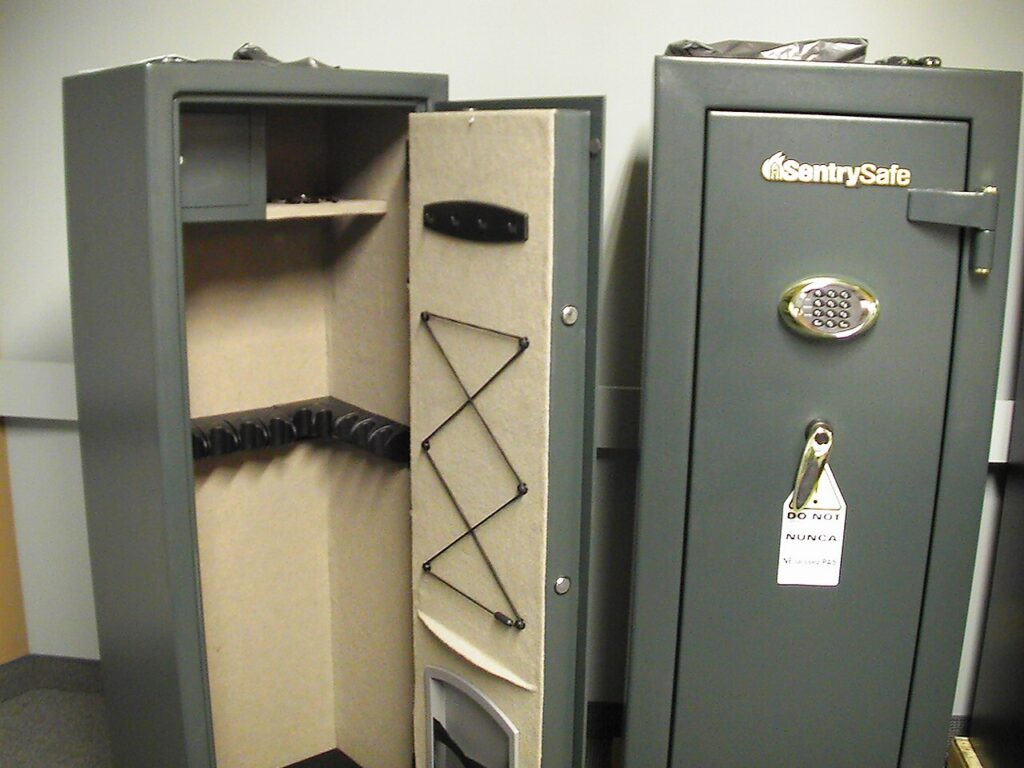
A rigorous audit should include a systematic check of your storage containers. Ask yourself if your current safes or storage solutions are adequately rated for the volume and type of your collection. Are the seals intact? Is the internal organization optimized to prevent contact between items that could cause accidental damage? As discussed in Preparing Your Range Kit for Autumn Sessions and Storage, the way you pack and store your equipment directly impacts its longevity. This means regularly inspecting locking mechanisms, checking the status of desiccant packs, and ensuring that any climate-control systems are functioning as intended. If your storage solution lacks active climate control, consider the addition of moisture-absorbing materials specifically designed for enclosed spaces. By integrating these environmental checks into your recurring seasonal protocol, you transform the audit from an occasional chore into a reliable system of care. This practice not only protects the financial and historical value of your collection but also ensures that when the next season arrives, your equipment is ready for use, having been maintained with the same level of diligence that goes into its initial design and manufacturing.
Representative photo showing secure storage infrastructure, which is a critical component of a comprehensive rifle inventory and maintenance audit. Photo: User:IssueLips / Wikimedia Commons · Public domain. Resized for display. Sources checked October 30, 2026.

Prepared for Gunfire Magazine with AI assistance from the linked source material and the publication’s editorial brief. Specifications and manufacturer claims are attributed to their original sources.