

RESEARCH-BASED PRODUCT FEATURE
Based on published manufacturer specifications. Gunfire Magazine has not physically tested this product for this article.
The Seasonal Pivot: Evaluating Optical Infrastructure
As the calendar turns toward November, the shift in environmental conditions presents a natural inflection point for the stewardship of field equipment. For those who rely on high-performance optics, this transition from the peak of autumn to the onset of winter is more than a change in weather; it is an opportunity to conduct a rigorous audit of one's gear. Much like the planning processes outlined in Optics Readiness: A Strategic Review for Late-Season Use, a comprehensive review of your optical setup requires looking beyond surface-level cleanliness and assessing the mechanical and optical integrity of your equipment after months of field exposure.
When evaluating the state of your optics, it is essential to distinguish between cosmetic wear and functional degradation. Manufacturers often highlight specific engineering standards, such as those detailed on the Leupold homepage, which emphasize that high-end optics are designed to be "Extreme Climate Tested." However, understanding these claims requires the user to perform their own due diligence. An effective audit begins by verifying whether your equipment has maintained the seals and internal gas purging that prevent moisture ingress—a critical factor as temperatures fluctuate between the warmth of a vehicle and the cold of the field.
Environmental Resilience: Beyond the Initial Setup
The primary concern during a late-autumn audit is environmental resilience. Optics that have been subjected to repeated cycles of heating and cooling may show signs of stress, particularly in the seals that maintain their waterproof and fogproof status. According to information provided by Leupold's riflescope catalog, modern high-performance optics utilize advanced internal gases and sealing methods to withstand these extreme conditions. During your review, inspect the exterior housing for any signs of physical compromise that could breach these seals. If you notice persistent fogging inside the lens—not just on the surface due to condensation—this is a primary indicator that the internal environment of the scope has been compromised.
Furthermore, consider the lens coatings. Technologies like the "Guard-Ion" hydrophobic lens coating, which is designed to shed dirt and water, are essential for maintaining a clear image in harsh, direct light or precipitation. As part of your seasonal audit, evaluate the state of these coatings. If the lens appears to retain water or smudge easily despite proper cleaning, the hydrophobic layer may be wearing thin. This is a common point of discussion in Late-Autumn Optics: A Technical Review of Your Setup, which emphasizes that these features are not merely marketing terms but are functional components that degrade with time and use.
The Mechanics of Clarity: Audit Points for Field Gear
Beyond environmental sealing, the mechanical adjustments of an optic are central to its performance. If your scope features a "SpeedSet" dial or similar tool-free elevation adjustment mechanisms, perform a functional check. These components are designed to simplify zeroing and custom dial changes, but they are also mechanical interfaces that can accumulate debris or experience wear. Ensure that the clicks are audible and tactile and that the dial moves smoothly without grit. If you are using a scope with an illuminated reticle, now is the time to check the battery compartment and the Motion Sensor Technology (MST) functionality. These systems, which deactivate reticles after inactivity to extend battery life, depend on clean, corrosion-free contacts.
When you are auditing these mechanical features, approach the process with the same skepticism you would apply to any gear review. As noted in industry research, when a manufacturer prints a number or a feature claim, it is useful to ask how that performance is measured. For example, a 5:1 zoom ratio is a specification of versatility, but the actual utility of that magnification range depends on the clarity and resolution of the lenses at the edge of the field of view. During your audit, compare the performance of your current glass against these original specifications. Do the high-definition lenses still provide the color and image quality you expect, or has the resolution diminished? This is the core of an effective equipment audit: measuring current performance against the baseline of the product's design.
Stewardship and the Long-Term Archive
Finally, consider the long-term stewardship of your optics. The concept of a "lifetime guarantee" is a common industry standard, but it should be viewed as a safety net rather than a substitute for regular maintenance. As documented in the background information from Leupold, such guarantees are rooted in the dedication to craftsmanship, often involving assembly in specific facilities—such as their factory in Beaverton, Oregon. Understanding the provenance of your gear—where it was designed, machined, and assembled—can provide context for how you should care for it. If a manufacturer has built a product to endure where others break, the owner's responsibility is to ensure that the product is not subjected to conditions that exceed its design specifications.
As you wrap up your late-autumn audit, document the state of your equipment. Keeping a record of when an optic was purchased, its last inspection date, and any observations about its performance can transform your collection from a random assortment of gear into a managed archive. This administrative rigor ensures that when the next season begins, you are not merely grabbing whatever is on the shelf, but are deploying equipment that has been verified, inspected, and confirmed ready for the task at hand.
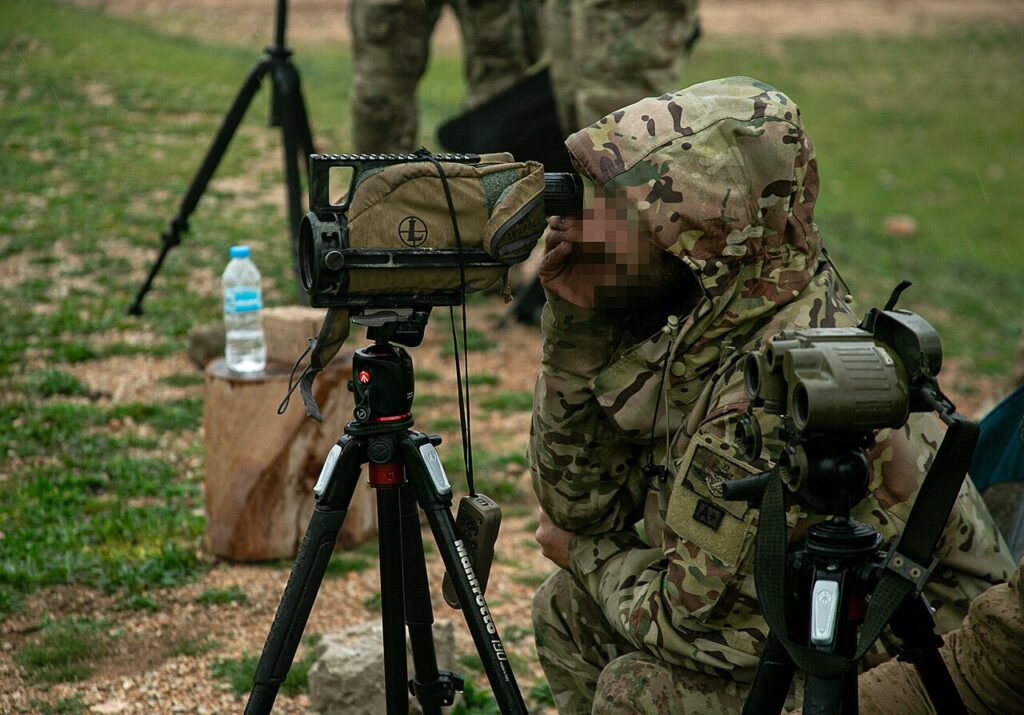
Representative photo illustrating the use of high-performance optical equipment in a field environment, emphasizing the need for regular maintenance and structural integrity checks. Photo: Sgt. David Cordova / Wikimedia Commons · Public domain. Resized for display. Sources checked October 29, 2026.

Sources & further reading
Sources reviewed 2026-10-29.
Prepared for Gunfire Magazine with AI assistance from the linked source material and the publication’s editorial brief. Specifications and manufacturer claims are attributed to their original sources.