

RESEARCH-BASED PRODUCT FEATURE
Based on published manufacturer specifications. Gunfire Magazine has not physically tested this product for this article.
The Hierarchy of Hearing Safety
As the shooting season shifts into the late-autumn months, the operational environment often presents new challenges for maintaining safety standards. November serves as a strategic juncture for shooters to evaluate their personal protective equipment (PPE) as part of a broader seasonal maintenance cycle. According to the National Institute for Occupational Safety and Health (NIOSH), the most effective approach to hearing safety is not merely the selection of gear, but the implementation of a hierarchy of controls. As outlined in the resource Provide Hearing Protection | Noise and Hearing Loss | CDC, employers and individuals should prioritize elimination, substitution, and engineering controls before relying on PPE. When these primary measures are not feasible, selecting the right hearing protection becomes the critical final line of defense. The research emphasizes that hearing protection is frequently inadequately chosen, worn incorrectly, or used inconsistently. By treating your hearing protection as a vital piece of infrastructure rather than an accessory, you ensure that your safety practices remain as robust as your equipment. This is a time to move beyond the assumption that gear purchased years ago remains sufficient, especially as usage patterns change with the late-season environment.
Applying the 5 Cs to Your Range Kit
When conducting your audit, NIOSH recommends evaluating your protective gear using the "5 Cs" framework: comfort, compatibility, convenience, communication, and cost. Comfort is the primary driver of consistent use; if a device is uncomfortable, users are less likely to wear it for the duration of their time on the range. Earmuffs, for example, may be more comfortable for some, but they can be heavy and potentially incompatible with other gear like glasses or hats, particularly in colder temperatures where cushions may not seal effectively against the head. Compatibility must be checked against all other equipment in your kit. Conversely, earplugs are lightweight and convenient but may require more practice to fit correctly. The NIOSH guidance suggests that individual fit testing is the most reliable way to determine if a specific device is providing the necessary reduction, as the Noise Reduction Rating (NRR) printed on packaging does not always reflect the actual protection a user receives. For a structured approach to managing your gear during this transition, refer to The Seasonal Audit: Hearing Protection Logistics for Autumn, which outlines the administrative steps to refresh your equipment inventory. Remember that protection needs extend beyond the primary shooter; as noted in Hearing Protection Belongs in the Spectator Plan, Too, ensuring that everyone in your group is adequately protected is a fundamental part of a responsible safety plan.
Integrating Modern Technology into Your Safety Protocol
Modern hearing protection often incorporates electronic features designed to enhance safety and usability, shifting the conversation from simple passive reduction to active sound management. Devices such as the Walker's Suppressor Bluetooth Earbuds utilize Sound Activated Compression (SAC), which is designed to protect users from sharp, high-decibel noises like gun blasts while allowing for the enhancement of ambient sounds. According to product specifications from Walker's Game Ear, these devices feature omnidirectional microphones that assist in identifying the source of sounds, which can be particularly useful in both industrial and range settings. When incorporating electronic devices into your kit, maintenance becomes a key part of your seasonal audit. This includes monitoring battery levels and understanding the runtime of your devices. For instance, the Suppressor Bluetooth Earbuds include a charging case that provides multiple charges, extending the total runtime to 36 hours. Proper maintenance also involves keeping the device clean and ensuring that components like ear tips are in good condition. The system includes various sizes of memory foam and silicone tips, which are essential for achieving the custom fit required to maintain the device's NRR. It is important to remember that while electronic features like Bluetooth connectivity offer convenience for streaming audio or hands-free calls, these functions are secondary to the primary goal of noise reduction. Always ensure that the device's NRR is sufficient for your specific noise exposure level. As you conduct your seasonal review, evaluate whether your current devices are meeting these standards. If your equipment is showing signs of wear, such as degraded cushions or inconsistent battery performance, it may be time to consider replacements that offer both the required protection and the ergonomic features that encourage consistent, all-day use.
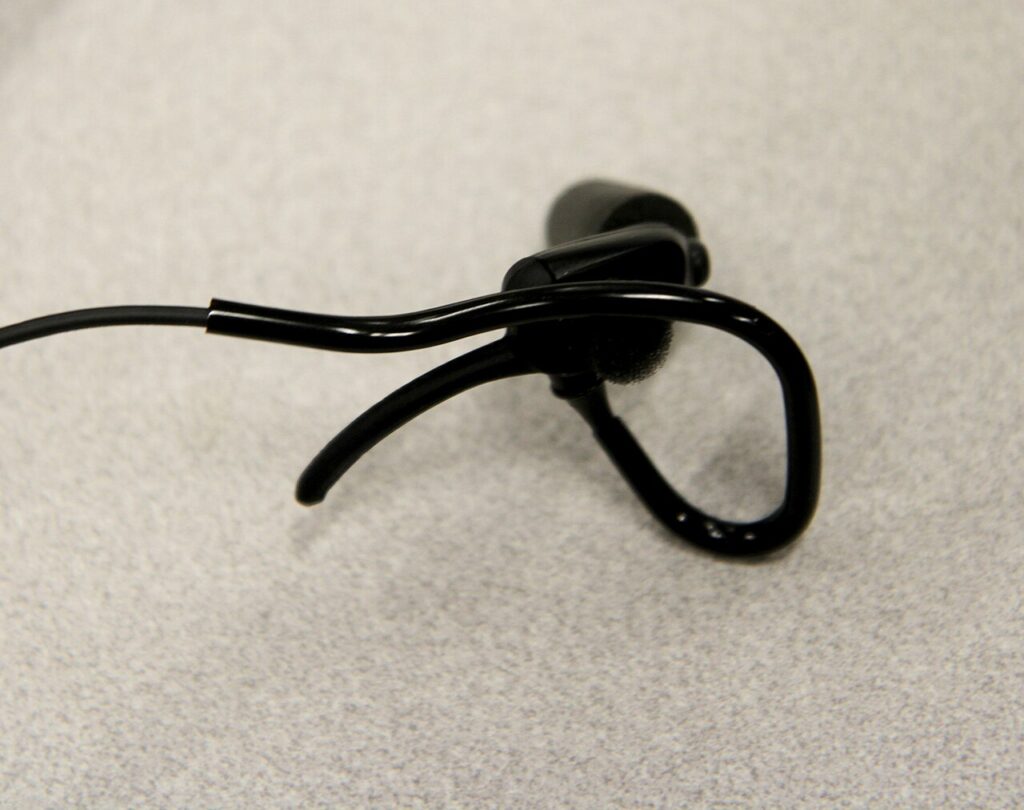
Representative photo of specialized electronic hearing protection equipment similar to those used for maintaining situational awareness and auditory safety in shooting environments. Photo: Sgt. Jon Heinrich / Wikimedia Commons · Public domain. Resized for display. Sources checked October 29, 2026.

Sources & further reading
- Provide Hearing Protection | Noise and Hearing Loss | CDC ↗
- Suppressor Bluetooth Earbuds | Walker's Game Ear ↗
- Suppressor Non Bluetooth Earbuds | Walker's Game Ear ↗
Sources reviewed 2026-10-29.
Prepared for Gunfire Magazine with AI assistance from the linked source material and the publication’s editorial brief. Specifications and manufacturer claims are attributed to their original sources.