

RESEARCH-BASED PRODUCT FEATURE
Based on published manufacturer specifications. Gunfire Magazine has not physically tested this product for this article.
The Seasonal Shift: Why Your Hearing Gear Needs an Audit
As the calendar turns toward the end of the year, the transition to late-autumn conditions necessitates a shift in how we approach range logistics. Much like preparing your storage routine, as discussed in our guide on Preparing Your Range Kit for Autumn Sessions and Storage, your hearing protection requires a specific, seasonal review. This is not merely a matter of checking if the device turns on; it is a comprehensive evaluation of whether your current equipment remains effective under changing environmental conditions and usage patterns. According to the National Institute for Occupational Safety and Health (NIOSH), employers and individuals alike should prioritize engineering and administrative controls, using personal protective equipment (PPE) as a consistent, well-maintained barrier against noise exposure (https://www.cdc.gov/niosh/noise/prevent/ppe.html).
When reviewing your hearing protection, consider the "5 Cs" framework outlined by NIOSH: comfort, compatibility, convenience, communication, and cost. As temperatures drop, these factors take on new dimensions. For instance, earmuff cushions may harden in the cold, potentially compromising the seal against the head and reducing the actual protection provided. This is why a periodic audit of your gear is essential before heading to the range, ensuring that your equipment is not just present, but functional.
Understanding Fit and Environmental Compatibility
The effectiveness of any hearing protection device relies heavily on its fit. A device that is uncomfortable is less likely to be worn consistently, which defeats its purpose. In colder environments, the compatibility of your hearing protection with other gear—such as hats, hoods, or eyewear—becomes a critical logistical challenge. Earmuffs, for example, may interfere with the fit of other headgear or even eyeglasses, potentially creating gaps that allow sound to bypass the protection. NIOSH emphasizes that fit testing is the most reliable way to ensure that a worker or shooter is receiving the intended level of noise reduction (https://www.cdc.gov/niosh/noise/prevent/ppe.html).
For those who do not have access to formal fit testing equipment, there are practical, informal ways to gauge performance. One method involves counting out loud while cupping and uncupping your hands over your ears; if the fit is correct, your voice should sound relatively consistent regardless of whether your hands are cupping the ears. This simple check can highlight when a seal is failing due to wear, tear, or environmental factors. Furthermore, remember that hearing protection is not just for the shooter; it is a vital part of the safety plan for everyone on the line. As noted in our previous coverage, Hearing Protection Belongs in the Spectator Plan, Too, ensuring that everyone in your party is properly protected is a fundamental aspect of range safety.
Evaluating Technology and Maintenance Protocols
Modern hearing protection has evolved to include advanced features that address the "communication" and "convenience" aspects of the 5 Cs. For example, some electronic hearing protection devices, such as the Suppressor Bluetooth Earbuds, utilize Sound Activated Compression (SAC) to protect against sudden impulses while allowing for ambient sound enhancement (https://www.walkersgameear.com/suppressor-earbuds/). These devices often feature multiple frequency modes to help users identify the source of sounds, which can be particularly useful in outdoor or industrial settings. However, it is important to distinguish between features like Bluetooth connectivity and the core function of the device: hearing protection.
When reviewing your electronic gear, ensure that the batteries are charged and that the firmware or software—if applicable via mobile applications—is up to date. The maintenance of these devices is just as critical as the maintenance of your firearm. For instance, earbud-style protectors often rely on various tip materials, such as silicone or memory foam, to achieve a seal. These materials degrade over time and with exposure to the elements. Regularly inspecting these components for signs of wear, such as cracking or loss of elasticity, is a necessary part of your seasonal protocol. If a device is labeled with a Noise Reduction Rating (NRR), that rating is based on proper use and maintenance. If the physical components are compromised, the NRR may no longer reflect the actual protection provided. By treating your hearing protection with the same rigor as you treat your other range equipment, you ensure that your safety protocols remain as effective in late autumn as they are throughout the rest of the year.
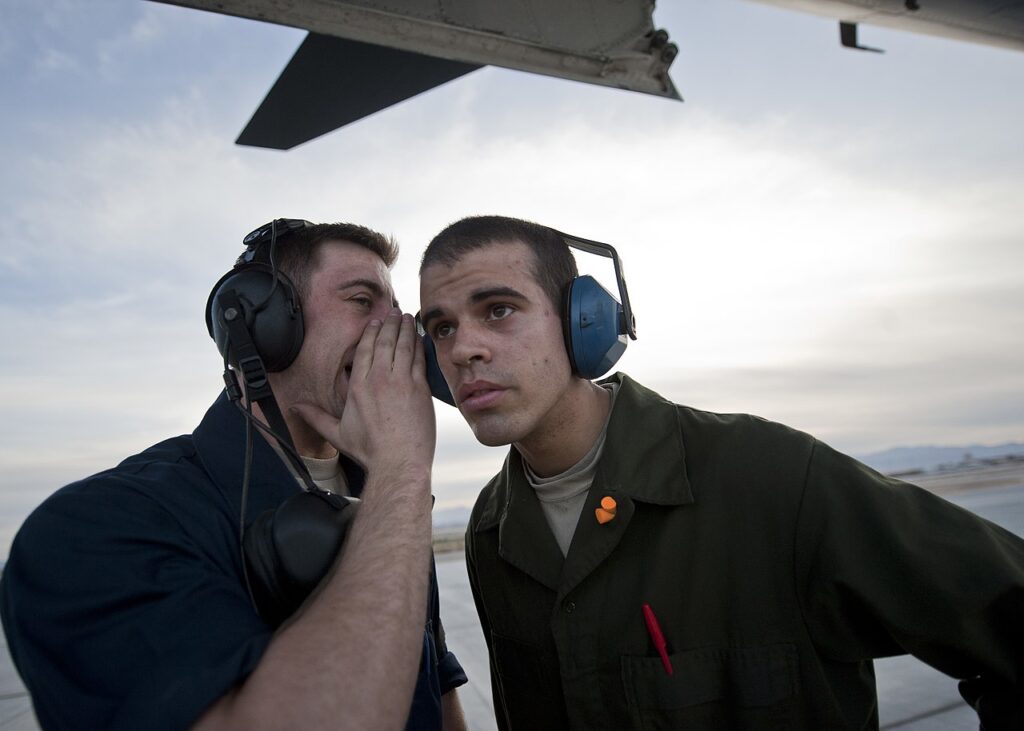
Representative photo showing the necessity of hearing protection and the importance of communication while wearing ear-defending gear. Photo: US Air Force from USA / Wikimedia Commons · Public domain. Resized for display. Sources checked October 28, 2026.

Sources & further reading
Sources reviewed 2026-10-28.
Prepared for Gunfire Magazine with AI assistance from the linked source material and the publication’s editorial brief. Specifications and manufacturer claims are attributed to their original sources.