

RESEARCH-BASED PRODUCT FEATURE
Based on published manufacturer specifications. Gunfire Magazine has not physically tested this product for this article.
The Seasonal Transition of Range Gear
As the shooting season transitions into the cooler months of autumn, the requirements for your range kit undergo a subtle but significant change. While the fundamentals of responsible ownership remain constant, the environmental factors shift. Cooler temperatures, potential changes in humidity, and the transition to different types of outdoor activities mean that your equipment needs a fresh look. Whether you are heading to an outdoor range or preparing for a trip to a local event, consistency in your equipment setup is a vital component of a successful experience. Just as you might check your vehicle or hunting gear, your range equipment—specifically hearing protection and storage containers—deserves a seasonal review to ensure everything is ready for use.
Research-based approaches to gear management suggest that treating your range kit as a cohesive system, rather than a collection of individual items, improves reliability and readiness. When planning your next outing, consider how your gear performs in changing conditions. For example, electronic hearing protection requires reliable power sources, while storage containers must effectively protect sensitive equipment from environmental factors like dust or moisture. Taking the time to inventory your setup before you leave home prevents the common frustration of realizing a necessary piece of equipment is missing or improperly stored.
Evaluating Hearing Protection Systems
When selecting hearing protection, the primary consideration should always be the fit, as this impacts both comfort and the effectiveness of the noise reduction. Electronic earmuffs, such as the Walker's Razor Slim series, are designed with a low-profile construction to sit snugly against the head. This design choice is intended to allow for better maneuverability, which is particularly useful when you are moving between stations at a range or in the field, as noted in the Walker's Razor Slim Electronic Ear Muffs product page. Because fit is so personal, it is important to understand that comfort during long hours of wear is a critical specification for any protective gear, especially as you may be wearing additional layers of clothing during the autumn months.
Furthermore, managing your hearing protection involves more than just the device itself. As discussed in our previous research, Hearing Protection Reviews Should Begin With Fit, it is essential to prioritize how the equipment seals against your head before evaluating secondary features like Bluetooth connectivity or battery life. The Walker's Razor Slim series, for instance, features a noise reduction rating (NRR) of 23 dB, which is a key specification for users to verify against their specific range environments. Whether you are using electronic earmuffs or earbuds, ensure that the ear cups are in good condition and that you have a clear understanding of the device's noise reduction rating. For those who frequent ranges, keeping a backup set of foam earplugs in your gear bag or vehicle is a practical redundancy that ensures you are never without protection, regardless of the electronic device's battery status.
Protecting Sensitive Equipment in Variable Conditions
Once you have selected your hearing protection, the next step is ensuring it—and other sensitive items—remains protected during transport. Hard-shell cases provide a level of physical security that soft bags cannot match, particularly when dealing with the variable weather conditions common in autumn. The Pelican 1170 Protector Case, for instance, is built with features such as an automatic pressure equalization valve and an O-ring seal, which are designed to keep water and dust out, according to the Pelican 1170 Protector Case product page. These specifications are relevant for shooters who travel to various environments, as they protect the contents against extreme temperature ranges, from -40°F to 210°F, ensuring your gear remains functional even if your storage environment fluctuates.
When organizing your range kit, consider the interior configuration of your case. Using foam inserts, such as the Pick N Pluck foam found in many protective cases, allows you to create a custom fit for your specific gear. This prevents items from shifting during transport, which is a common cause of damage. As outlined in Pelican 1170 vs. 1200: Why Interior Shape Matters, the dimensions and depth of your case should be chosen based on the specific equipment you intend to carry. By matching the case to your gear, you ensure that your protective equipment remains in the best possible condition, ready for the next time you head to the range.
A Systematic Approach to Range Readiness
Ultimately, the goal of a seasonal gear review is to streamline your process. By adopting a systematic approach to how you pack and store your equipment, you reduce the cognitive load of preparing for a range visit. Instead of searching for items or questioning whether your gear is protected, you can focus on the activity itself. This level of organization is not just about convenience; it is about maintaining a standard of care for your equipment that mirrors the care you take in your shooting practice. Whether it is verifying the NRR of your hearing protection or ensuring your hard-shell case is properly sealed, these small, evidence-based steps contribute to a more consistent and reliable range experience throughout the year.
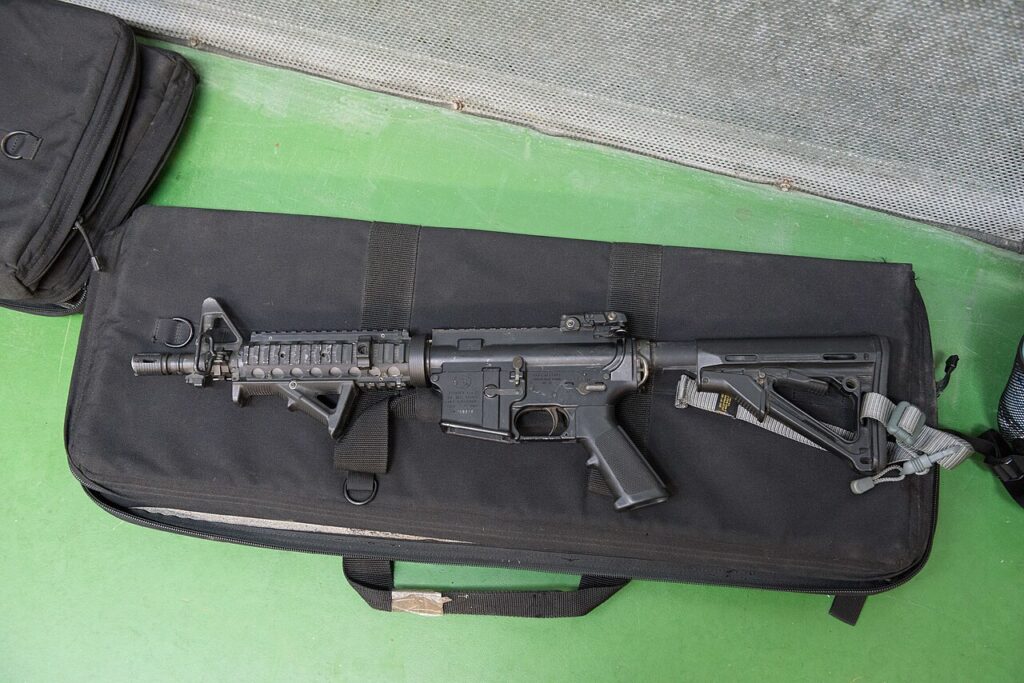
Representative photo showing essential range gear, highlighting the importance of organized equipment storage and preparation for a shooting session. Photo: Pierre-Etienne Courtejoie / Wikimedia Commons · Public domain. Resized for display. Sources checked October 23, 2026.

Sources & further reading
Sources reviewed 2026-10-23.
Prepared for Gunfire Magazine with AI assistance from the linked source material and the publication’s editorial brief. Specifications and manufacturer claims are attributed to their original sources.