

Engineering for Environmental Extremes
As the calendar moves into late October, the operational landscape for outdoor enthusiasts and industry professionals shifts significantly. The transition into colder weather is not merely a change in scenery; it is a change in the physical requirements placed on equipment. In the industrial sector, this shift underscores the necessity for protective solutions that are engineered to withstand environmental extremes rather than just casual use. When examining the specifications of equipment like the Pelican 1170 Protector Case, one finds that the design parameters are defined by rigorous environmental thresholds. The case is rated for temperature ranges from -40°F (-40°C) to 210°F (98.9°C), a specification that highlights the difference between consumer-grade storage and industrial-grade protection. For the end user, this is a vital distinction. Late-season activities, whether in the field or at the range, subject gear to fluctuating temperatures that can compromise standard materials. The industrial focus on such metrics is not arbitrary; it is a response to the reality that equipment must remain functional across diverse, often harsh, conditions. Understanding these specifications is a crucial part of the research process, as discussed in our previous coverage regarding the nuances of Pelican 1170 vs. 1200: Why Interior Shape Matters, which emphasizes that proper equipment selection is as much about environmental resilience as it is about physical dimensions.
The Corporate Infrastructure of Reliability
While protective gear focuses on the physical environment, the broader firearms industry relies on a different kind of infrastructure: corporate stability and transparency. When we look at manufacturers like Sturm, Ruger & Co., Inc., the focus of their corporate presence is often on long-term sustainability and consistent reporting. As detailed in their Investor Relations disclosures, the company emphasizes the importance of ethical financial reporting and long-term operational planning. This corporate philosophy is the backbone that allows for consistent product support over decades. For the industry observer, this is a critical takeaway: the reliability of a product is inextricably linked to the stability of the organization behind it. A company that prioritizes long-term ethical standards in its corporate filings is, by extension, more likely to maintain the quality and support structures necessary for the products it manufactures. This relationship between corporate health and product longevity is a cornerstone of industrial history. It is why, when we evaluate the industry, we look at the people and the processes behind the production totals. The ability of a manufacturer to continue providing support, parts, and warranty service is not just a customer service benefit; it is an industrial imperative that ensures the equipment remains viable for the user over the long term.
Long-Term Ownership as an Industrial Metric
The concept of long-term ownership is perhaps best realized through the industry standard of the lifetime warranty. This is not just a marketing promise; it is an industrial commitment that requires manufacturers to stand behind their engineering and manufacturing processes. When a company offers a lifetime guarantee, they are betting on the durability of their materials and the precision of their assembly. This commitment is particularly relevant as we approach the end of the year, a time when many individuals conduct their seasonal audit of their gear. As we have noted in our guide on why you should Keep the Review on the Calendar, the maintenance of equipment is a year-round responsibility that requires a systematic approach. By utilizing the documentation provided by manufacturers, such as warranty terms and maintenance guidelines, users can extend the life of their equipment significantly. This industrial spotlight serves as a reminder that the responsibility of ownership is a partnership between the manufacturer and the user. The manufacturer provides the engineering and the warranty, while the user provides the care and the consistent, scheduled maintenance. As you prepare your kit for the late-season, consider that the most valuable investment is not just the gear itself, but the knowledge of how to maintain it, store it, and ensure its longevity through the coming winter months. The intersection of robust engineering and transparent corporate governance provides the framework within which high-performance gear can reliably serve its purpose, year after year.
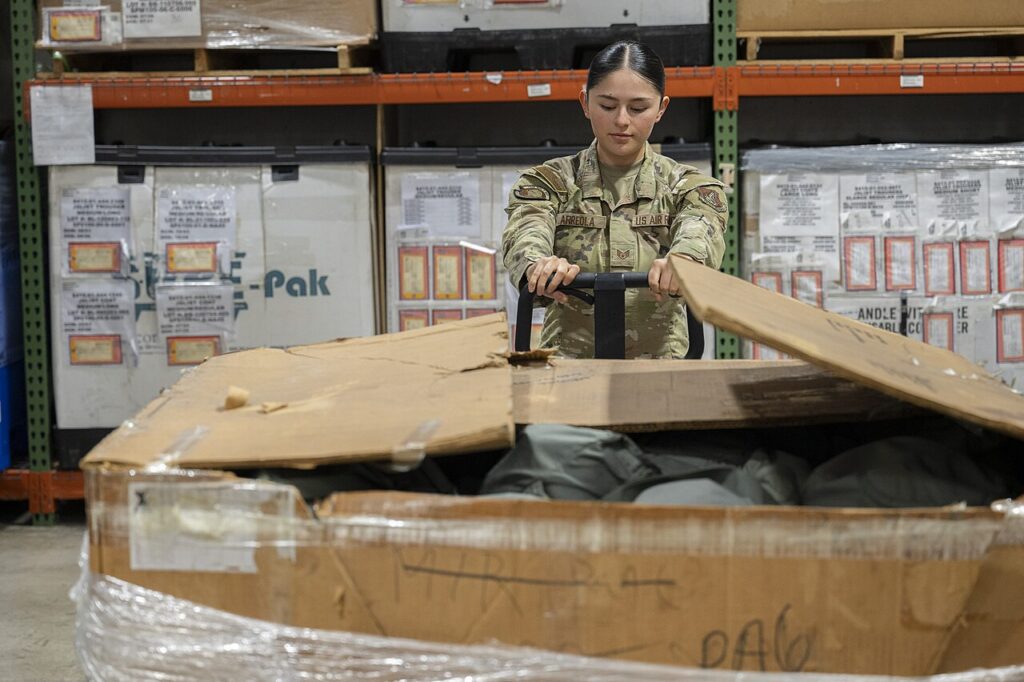
Representative photo showing the logistical side of managing protective equipment and supplies, emphasizing organized storage and maintenance processes. Photo: U.S. Air Force photo by Airman 1st Class Joseph Maye / Wikimedia Commons · Public domain. Resized for display. Sources checked October 25, 2026.

Sources & further reading
Sources reviewed 2026-10-23.
Prepared for Gunfire Magazine with AI assistance from the linked source material and the publication’s editorial brief. This piece does not claim original interviews, on-site reporting or hands-on product testing.