

RESEARCH-BASED PRODUCT FEATURE
Based on published manufacturer specifications. Gunfire Magazine has not physically tested this product for this article.
The Seasonal Maintenance Rhythm
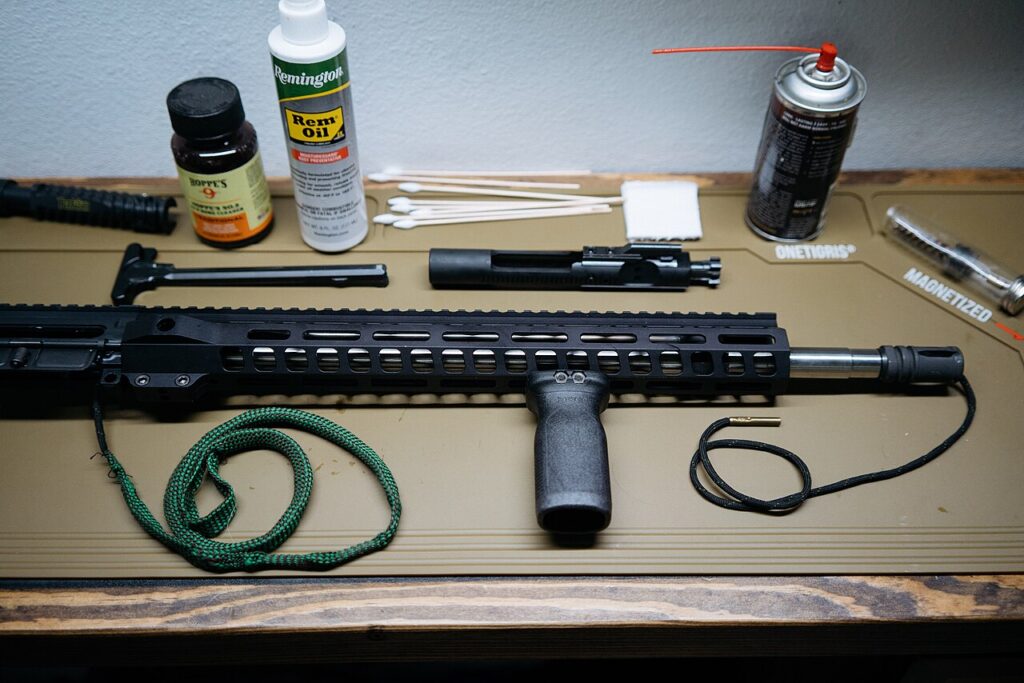
As the calendar reaches late October, the rhythm of shooting sports and outdoor activities undergoes a distinct transition. For many, the high-frequency range visits of late summer and early autumn begin to subside, replaced by colder temperatures and shifts in regional hunting schedules. This transition period is more than just a change in the calendar; it is an ideal, structured window for firearm owners to pivot their attention from active use to comprehensive maintenance and long-term storage readiness. Proper care is not merely about aesthetic preservation; it is a fundamental aspect of responsible ownership that ensures mechanical reliability when the gear is next required.
Maintenance in this context begins with a thorough audit of your cleaning supplies and environment. Throughout the year, firearms accumulate carbon, copper, and lead residue, all of which can attract moisture if left untreated during periods of inactivity. The National Shooting Sports Foundation (NSSF) emphasizes that the principles of safe handling and storage are the bedrock of the shooting sports, and their resources provide a framework for these responsibilities at https://www.nssf.org/safety/. By establishing a consistent cleaning routine that occurs specifically during seasonal changes, you create a natural milestone that prevents long-term neglect. This is the moment to inspect your cleaning kits, replenish solvent supplies, and ensure that your brushes and patches are sufficient for the winter months ahead.
Auditing Your Storage Ecosystem
Once the cleaning process is complete, the focus must shift to the storage environment. A common oversight in gear management is assuming that a firearm is protected simply because it is placed inside a safe or a closet. However, environmental factors such as humidity and temperature fluctuations are the primary enemies of metallic finishes during the colder months. As discussed in our previous coverage on maintaining a consistent review schedule, as seen at https://www.gunfiremagazine.com/household-storage-review-calendar/, keeping a regular check on your storage setup is a vital habit. This process should involve more than just the firearm itself; it encompasses the entire ecosystem of your gear, including optics, magazines, and protective cases.
The NSSF’s "Gun Storage Check Week" initiative serves as a timely reminder to audit your practices and confirm that every item is secured appropriately. This is the ideal time to evaluate your use of desiccants or dehumidifiers within your safe, as these components often reach their capacity and require replacement or reactivation. If you are storing gear in a garage or an unheated space, the risk of condensation increases significantly during the late autumn and winter transitions. A proactive audit of these environmental controls is a small investment of time that prevents significant corrosion issues later in the year.
Leveraging Technical Documentation for Longevity
Effective maintenance is not a guessing game; it is a process guided by the specific engineering of your equipment. Every firearm owner should have easy access to the manufacturer’s original technical documentation, which details the specific lubrication points, disassembly procedures, and maintenance intervals recommended for that model. The manufacturer’s resource portal at https://www.ruger.com/service/productHistory.html provides comprehensive access to instruction manuals for a vast array of models, including pistols, revolvers, and rifles. Relying on these documents rather than anecdotal advice ensures that you are using the correct oils and greases in the appropriate quantities, preventing over-lubrication which can trap debris.
This documentation-first approach should extend to all of your equipment, including peripheral gear like hearing protection and eyewear. When reviewing protective equipment, it is important to remember that maintenance is just as critical as the initial fit. As highlighted in our analysis of protective gear reviews at https://www.gunfiremagazine.com/hearing-protection-review-fit-before-features/, understanding the limitations and maintenance needs of your gear is essential for long-term utility. For electronic earmuffs, this means removing batteries before long-term storage to prevent leakage and inspecting the seals of the ear cushions. For protective eyewear, it means cleaning lenses with the appropriate solutions to prevent scratching. By treating your entire kit—from the firearm itself to the accessories that support your safety—with the same level of technical rigor, you ensure that your equipment remains a reliable asset for years to come. This seasonal review is not just a chore; it is an investment in the longevity and performance of your gear.
Representative photo illustrating the essential tools and organized workspace required for conducting seasonal firearm maintenance and cleaning protocols. Photo: Bradley Lanphear for CAT Outdoors / Wikimedia Commons · CC BY-SA 4.0. Resized for display. Sources checked October 23, 2026.

Prepared for Gunfire Magazine with AI assistance from the linked source material and the publication’s editorial brief. Specifications and manufacturer claims are attributed to their original sources.