

RESEARCH-BASED PRODUCT FEATURE
Based on published manufacturer specifications. Gunfire Magazine has not physically tested this product for this article.
The Seasonal Audit: Why Autumn Demands a Gear Review
As the calendar shifts toward the colder months of late autumn, the logistical demands placed on personal protective equipment change significantly. Hearing protection is frequently treated as a static component of a kit—an item purchased once and stored in a range bag until needed. However, environmental factors such as temperature fluctuations, increased humidity, and the introduction of heavier seasonal apparel can alter the performance of these devices. A systematic audit of your hearing protection is a necessary step to ensure that your equipment remains effective as you transition into new shooting environments and seasonal activities.
When temperatures drop, the physical properties of materials used in hearing protection can shift. Earmuff cushions, for instance, are designed to create a consistent, sound-dampening seal against the skin. In colder conditions, these materials may stiffen, potentially compromising the seal and reducing the device's ability to attenuate noise effectively. Similarly, the increased use of hats, hoods, or scarves during autumn can interfere with the physical fit of over-the-ear muffs, breaking the seal that is essential for the device to meet its Noise Reduction Rating (NRR). According to the CDC/NIOSH guidelines on providing hearing protection, the effectiveness of any device is fundamentally dependent on a proper, individualized fit, which must be maintained regardless of the external environment.
Applying the 5 Cs to Your Protective Gear
To ensure your hearing protection remains reliable, it is useful to evaluate your current setup against the "5 Cs" of selecting hearing protection: comfort, compatibility, convenience, communication, and cost. Comfort is the primary driver of consistent use; if a device is uncomfortable, users are less likely to wear it for the duration of an activity. In the context of autumn, compatibility becomes the most critical factor. As noted in the CDC/NIOSH guidance, hearing protection must be compatible with other safety equipment, such as eye protection or headwear. If your current earmuffs are incompatible with your winter hat or if the temple arms of your shooting glasses break the seal of the earmuff cushions, the protection level is significantly degraded.
Convenience and communication also play roles in equipment selection. If you are moving frequently between indoor and outdoor ranges, or between quiet and noisy environments, the ease of removing and replacing your protection is essential. For scenarios requiring frequent interaction, devices with flat attenuation or electronic communication features may be more practical than standard passive muffs. However, as with all gear, these features should not overshadow the fundamental requirement of fit and noise reduction.
Balancing Electronic Features with Environmental Realities
Modern electronic hearing protection introduces advanced capabilities, such as Sound Activated Compression (SAC) and Bluetooth connectivity. Devices like the Walker's Suppressor Earbuds utilize SAC to protect the wearer from impulse noises, such as gun blasts, while allowing low-level environmental sounds to pass through via omnidirectional microphones. This technology is designed to enhance situational awareness, which can be an asset in various shooting environments. However, these features rely on battery power and electronic circuits, which are sensitive to temperature extremes.
Cold weather can accelerate battery drain. Part of your seasonal audit should include inspecting battery compartments for corrosion, ensuring that spare batteries are stored in a warm, interior pocket rather than an exposed gear bag, and verifying that all electronic functions—such as the amplification of ambient sound—are operating as intended. It is also important to remember that electronic features are not a substitute for the physical noise reduction provided by the device's design. The Walker's Suppressor Earbuds, for example, provide a 25dB NRR, which is the primary metric for safety. When researching such products, it is vital to distinguish between features that assist in sound management and those that are purely for convenience, such as streaming audio or phone connectivity.
Integrating Hearing Protection into a Broader Safety System
Hearing protection should not be viewed as an isolated item, but as part of a broader system of personal protective equipment. This is a recurring theme in equipment maintenance; just as you must ensure your eyewear is clear and secure, your hearing protection must be audited for its compatibility with the rest of your kit. As discussed in our previous analysis, Hearing Protection Reviews Should Begin With Fit, because a device with high-fidelity sound restoration is ultimately ineffective if the physical seal is compromised. Fit testing is the only way to confirm that your specific device is providing the necessary protection.
Furthermore, this audit should extend to your eye protection. As outlined in Protective Eyewear: Read the Evidence Behind the Lens, verifying lens performance alongside fit is crucial for a complete safety strategy. If you wear prescription glasses, ensure that your hearing protection does not cause discomfort or interfere with the eyewear's position. By evaluating the physical constraints of your environment and ensuring your hearing protection remains compatible with your other safety equipment, you can build a more robust and reliable protective strategy that serves you throughout the changing seasons. Regular, proactive maintenance—such as checking for cracks in headbands, replacing worn-out ear cushions, and confirming that electronic features function correctly—is the best way to ensure your gear is ready for the range.
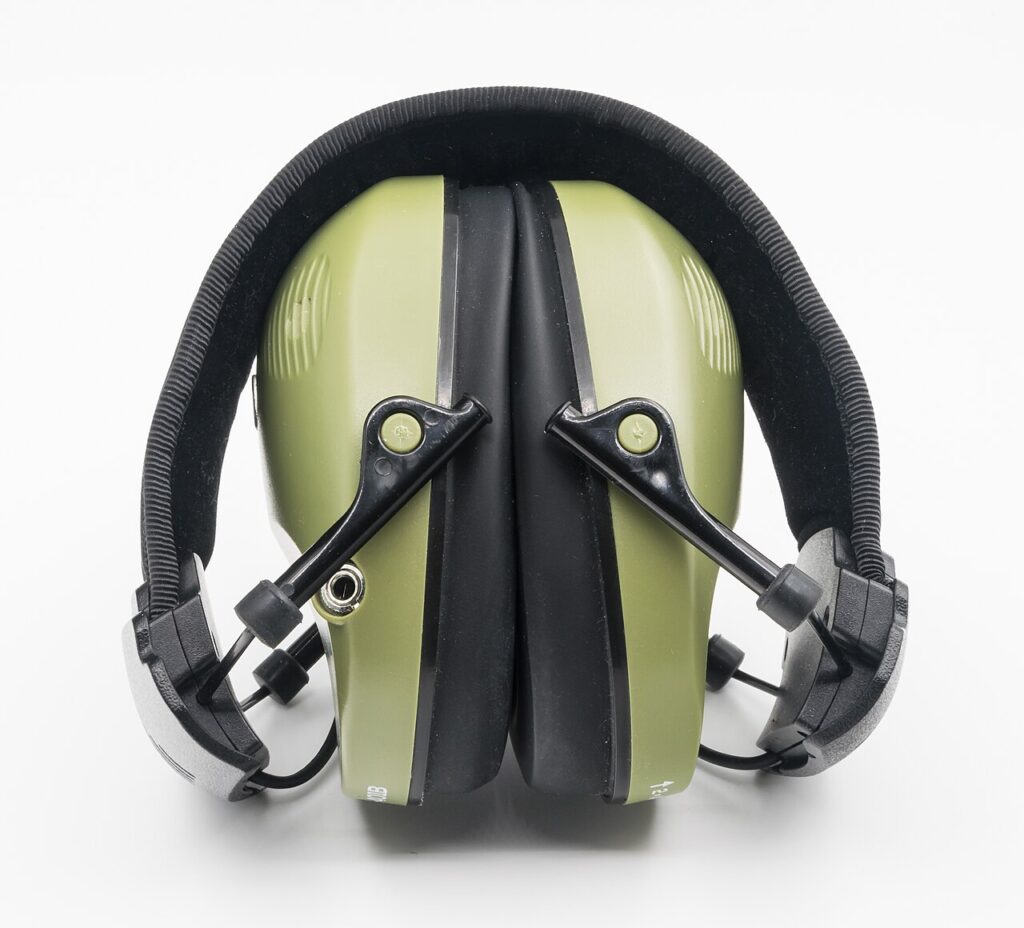
Representative photo showing electronic hearing protection, which requires regular battery and fit audits to ensure reliability in changing seasonal conditions. Photo: Jacek Halicki / Wikimedia Commons · CC BY-SA 4.0. Resized for display. Sources checked October 23, 2026.

Sources & further reading
Sources reviewed 2026-10-23.
Prepared for Gunfire Magazine with AI assistance from the linked source material and the publication’s editorial brief. Specifications and manufacturer claims are attributed to their original sources.