

RESEARCH-BASED PRODUCT FEATURE
Based on published manufacturer specifications. Gunfire Magazine has not physically tested this product for this article.
The Architecture of Informed Research
As the calendar turns toward the final quarter of 2026, many enthusiasts find themselves in a period of evaluation. Whether reviewing a potential addition to a collection or simply keeping up with industry updates, the process of researching a handgun requires more than just a passing glance at a catalog. It requires a structured approach to administrative data. Much like our previous examination in A Product Overview Is Useful—When It Says What It Is, the goal of this research phase is to distinguish between general product information and the specific, actionable data required to make a responsible, informed decision. When you are looking at handguns, the most reliable foundation for your research is the direct, primary data provided by the manufacturer. Relying on forums or anecdotal reports often leads to confusion, whereas official manufacturer resources provide the clarity needed to understand what models are currently supported and available.
Navigating Regional Compliance Landscapes
One of the most critical aspects of handgun research is understanding the regulatory environment of your specific jurisdiction. This is where manufacturer-provided search tools become indispensable. For residents in states with specific regulatory requirements, such as California or Massachusetts, the search process must be filtered through these official lenses. For instance, the Ruger California-compliant pistol search and the Ruger Massachusetts-compliant pistol search serve as primary, authoritative references for identifying which models have been vetted for sale within those regions. These tools are designed to filter out models that do not meet the criteria, ensuring that your research remains focused on what is actually available for purchase in your area. This administrative step is a crucial part of being an informed consumer, as it prevents the frustration of researching a model that cannot be legally transferred in your jurisdiction. By leveraging these manufacturer-maintained lists, you are anchoring your search in verified reality, which is the hallmark of a responsible owner who values precision.
Integrating Logistics into Your Acquisition Plan
Researching a handgun is not a siloed activity; it is part of a broader commitment to responsible ownership that extends well beyond the point of sale. Once you have identified a compliant model, the next logical step is to integrate logistical planning into your acquisition strategy. This includes preparing for the safe transport and long-term storage of the item. As noted in our guide, Plan Secure Storage Before the Car Trip, the responsibility of ownership begins before you even arrive at the retail location. By thinking through your storage needs—such as identifying the type of case or safe that will be required—you turn a simple purchase into a well-considered project. This proactive mindset is essential for any responsible owner. When you visit a retailer, you should be prepared not just with a model number, but with a plan that accounts for the safe handling and storage of your new acquisition from the moment it leaves the counter.
The Role of the Retailer as a Final Verification
While online research tools and manufacturer websites are the most efficient way to start your process, they are not the end of the journey. Retailers play a vital role in bridging the gap between your digital research and the physical transaction. After you have used manufacturer-provided tools to narrow down your choices, your next step should be to engage with a local retailer. These professionals are the final link in the chain; they are equipped to answer specific questions about local compliance nuances that may not be apparent from a website alone. They can provide context on current inventory, explain local transfer requirements, and help you finalize your logistical plan. By combining the official data from the manufacturer with the localized knowledge of your retailer, you create a robust, evidence-based plan for your next acquisition. This method of research—relying on verified, official sources rather than anecdotal evidence—is the hallmark of a responsible owner who values precision and compliance in all aspects of their hobby as they move into the final months of the year.
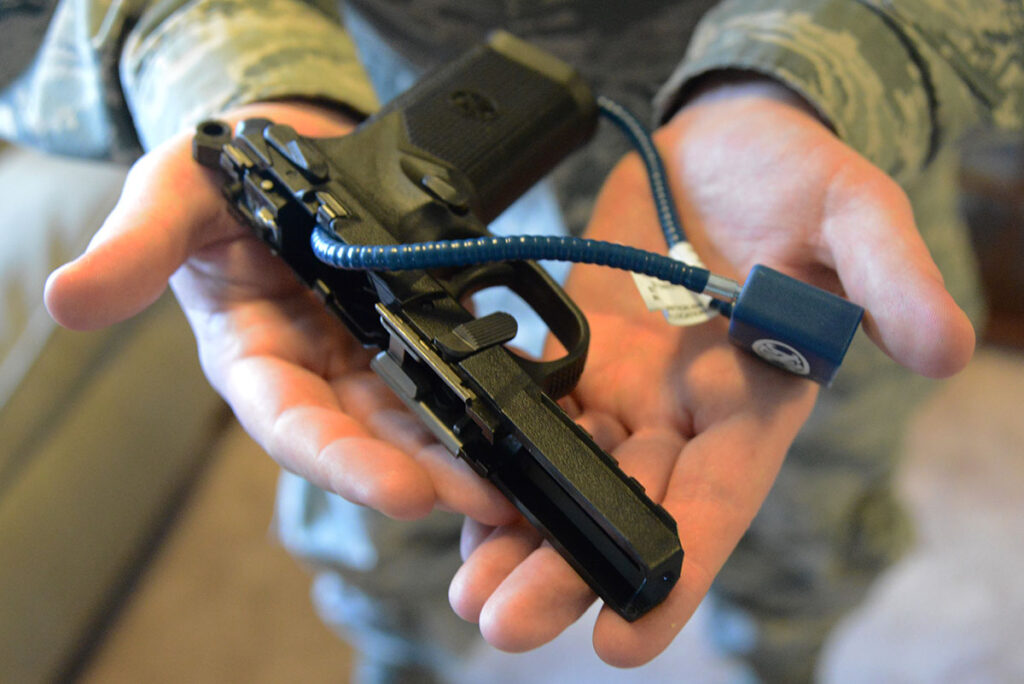
Representative photo illustrating the importance of safe handling and storage planning as a critical part of responsible handgun ownership. Photo: Airman 1st Class Javier Alvarez / Wikimedia Commons · Public domain. Resized for display. Sources checked October 26, 2026.

Sources & further reading
Sources reviewed 2026-10-23.
Prepared for Gunfire Magazine with AI assistance from the linked source material and the publication’s editorial brief. Specifications and manufacturer claims are attributed to their original sources.