

RESEARCH-BASED PRODUCT FEATURE
Based on published manufacturer specifications. Gunfire Magazine has not physically tested this product for this article.
The Environmental Variable in Late-Autumn Optics
As the calendar turns toward the end of October, the operational environment for outdoor enthusiasts shifts significantly. The transition into late autumn brings shorter days, lower sun angles, and the increased likelihood of variable weather conditions. For those relying on precision optics, this period requires a shift in how one evaluates equipment readiness. It is not merely about the presence of gear, but the suitability of that gear for the specific light conditions and terrain challenges inherent to the late season. According to product information available at Leupold's current VX-5HD campaign, manufacturers prioritize features like high-definition lenses and extended low-light hunting performance during this time of year, acknowledging that clarity in dim conditions is a critical metric for field utility.
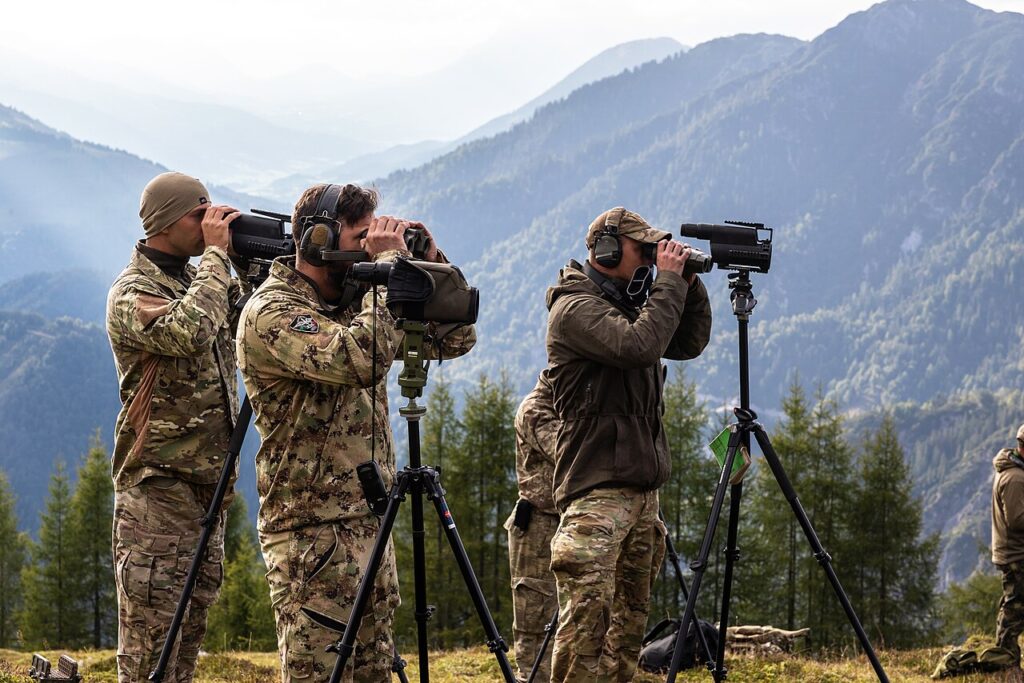
When assessing your optical kit, it is helpful to view your equipment as a system rather than as isolated components. As discussed in our previous analysis on protective gear compatibility, reviewing your equipment as a complete, integrated system prevents operational surprises. This means verifying that your spotting scope, such as the professional-grade MX-6HD series, is paired with a stable tripod system that can handle the increased wind loads often found in late-autumn landscapes. Stability is the foundation of observation, and the research-based approach to gear selection suggests that the most effective setups are those where the support equipment is as carefully considered as the glass itself.
Systematizing Your Technical Research
Before heading into the field, a systematic review of your equipment's technical specifications is a necessary exercise. Modern optics are dense with terminology and specialized features that require a foundational understanding to utilize effectively. The Leupold riflescope catalog illustrates the breadth of these choices, ranging from specific tube diameters and focal plane configurations to the inclusion of Custom Dial Systems (CDS) or illuminated reticles. When researching these options, it is important to distinguish between marketing claims and the actual technical requirements of your specific use case.
For instance, understanding the difference between a First Focal Plane (FFP) reticle, which maintains subtension accuracy across the magnification range, and a Second Focal Plane (SFP) reticle is a primary step in equipment research. Similarly, investigating whether a Custom Dial System is calibrated for your specific environmental conditions—such as elevation and temperature—is a task that should be completed long before the equipment reaches the field. As we have noted in our guide on what an independent review should tell you, a product overview is most useful when it clearly defines what a feature does and how it functions, rather than simply listing specifications. By approaching your optics with a mindset of technical inquiry, you can ensure that your equipment choices are supported by evidence rather than assumptions.
The Philosophy of Gear Longevity
Late autumn also serves as an appropriate time to reflect on the long-term maintenance and legacy of your optical equipment. Optics are often significant investments that are expected to perform over many years, if not generations. The approach to maintenance should be preventative rather than reactive. This involves inspecting your mounting systems, checking for debris on adjustment turrets, and ensuring that lens covers are intact and functional. The manufacturer's philosophy regarding the product's lifespan is a key indicator of its expected durability.
As noted on the Leupold home page, the concept of a lifetime guarantee is tied to the craftsmanship and dedication required to build optics that endure harsh conditions. This philosophy suggests that the user's role is to maintain the equipment with the same level of care that the manufacturer applied during production. When you perform your end-of-season audit, look for signs of mechanical wear, ensure that all adjustment dials move smoothly, and verify that the housing remains sealed against environmental intrusion. If the optics have been exposed to moisture or significant temperature swings, allow them to acclimate slowly to climate-controlled conditions to prevent internal condensation. By treating your optics as precision instruments that require periodic verification, you extend their service life and maintain the reliability that is essential for the coming seasons.
Ultimately, the late-autumn audit is about confidence. Whether you are using a riflescope for precision work or a spotting scope for long-range identification, the time spent researching your gear's capabilities and verifying its condition is an investment in your success. By moving beyond the surface-level features and understanding the technical and mechanical realities of your optics, you ensure that your equipment remains a reliable partner in the field, ready for the specific challenges that late-season conditions present.
Representative photo highlighting the critical role of stable tripod setups and precision observation equipment for outdoor field use. Photo: Sgt. Patrik Orcutt / Wikimedia Commons · Public domain. Resized for display. Sources checked October 23, 2026.

Sources & further reading
Sources reviewed 2026-10-23.
Prepared for Gunfire Magazine with AI assistance from the linked source material and the publication’s editorial brief. Specifications and manufacturer claims are attributed to their original sources.