

RESEARCH-BASED PRODUCT FEATURE
Based on published manufacturer specifications. Gunfire Magazine has not physically tested this product for this article.
The Engineering Baseline of Optical Performance
As the shooting season draws toward its conclusion, the focus for many enthusiasts shifts from active field use to a period of evaluation and maintenance. Understanding the performance of your equipment requires looking beyond the surface and into the engineering standards that define modern optics. This article provides research-based context regarding the development, testing, and maintenance of high-performance sighting systems. By examining the rigorous protocols established by manufacturers, users can gain a clearer understanding of the capabilities and limitations of their own gear, ensuring that their equipment remains a reliable asset for future cycles. Manufacturers like Trijicon, for instance, operate under a philosophy they call the Science of Brilliant, which integrates industry-leading research, design, and testing to define the performance benchmarks for their optics.
The Rigors of Durability and Environmental Testing
Modern optics are designed to withstand conditions far more severe than those encountered in typical recreational use. To achieve this, manufacturers implement comprehensive testing procedures that simulate extreme environments. According to the research and design standards outlined in the Science of Brilliant documentation, these procedures include temperature shock tests that range from -20°F to 140°F, an approach often referred to as Alaska-to-Africa testing. The purpose of these tests is to ensure that internal components and seals remain functional despite rapid thermal fluctuations.
Furthermore, durability is verified through shock and vibration testing. Every model is subjected to stresses designed to mimic recoil and vibrational impacts, ensuring that the optic maintains its operational integrity before, during, and after use. Another critical aspect of this manufacturing rigor is the immersion test, where housings are filled with dry nitrogen to eliminate fogging and leaks. This process is essential for maintaining clarity and preventing environmental degradation of the internal lenses. When conducting your own audit, it is helpful to recognize that these standards are not merely marketing claims but are engineering requirements intended to ensure that the optic remains a precise instrument under varied conditions.
Mounting Integrity and Return-to-Zero
The performance of an optic is inextricably linked to its mounting system. A common area of focus during a seasonal audit is the integrity of the interface between the optic and the firearm. Advanced mounting solutions, such as those utilizing Trijicon Q-LOC technology, are engineered to provide consistent retention and return-to-zero performance. As detailed in the Trijicon Q-LOC technology overview, these systems feature a spring-loaded design that facilitates constant retention, even if the mounting knobs are not fully tightened. This design choice is intended to mitigate the risks associated with gear movement during operation.
During a maintenance cycle, users should inspect their mounts for signs of wear or improper engagement with the rail. The ability of an optic to maintain its zero is dependent on the stability of this connection. By understanding the mechanical principles behind these mounts—such as the use of 6061-T6 aluminum and proprietary recoil lugs—users can better evaluate whether their current setup is meeting the requirements for precision. If your mounting system has been subjected to significant recoil or repeated removal and reattachment, a thorough inspection of the interface is a prudent step in your administrative routine.
Integrating Research into Your Seasonal Audit
A comprehensive optics audit should be viewed as a technical review cycle rather than a simple cleaning task. By applying the same rigor that manufacturers use in the factory, you can create a more structured approach to your equipment maintenance. As discussed in Optics Readiness: A Strategic Review for Late-Season Use, taking the time to verify that your gear is still meeting its operational specifications is a key component of seasonal preparedness. This process involves checking for any signs of seal compromise, testing the functionality of illumination systems, and ensuring that all mechanical adjustments remain smooth and responsive.
Furthermore, the context provided by technical reviews can help you identify when a piece of equipment may need professional service rather than simple home maintenance. For instance, if you notice issues with reticle shift or persistent fogging, these are indicators that the optic may no longer be performing to its intended engineering standard. For further guidance on evaluating your specific setup, consider the protocols outlined in Late-Autumn Optics: A Technical Review of Your Setup. By combining manufacturer-provided research with a systematic, periodic review of your own gear, you can ensure that your optics continue to perform reliably, season after season.
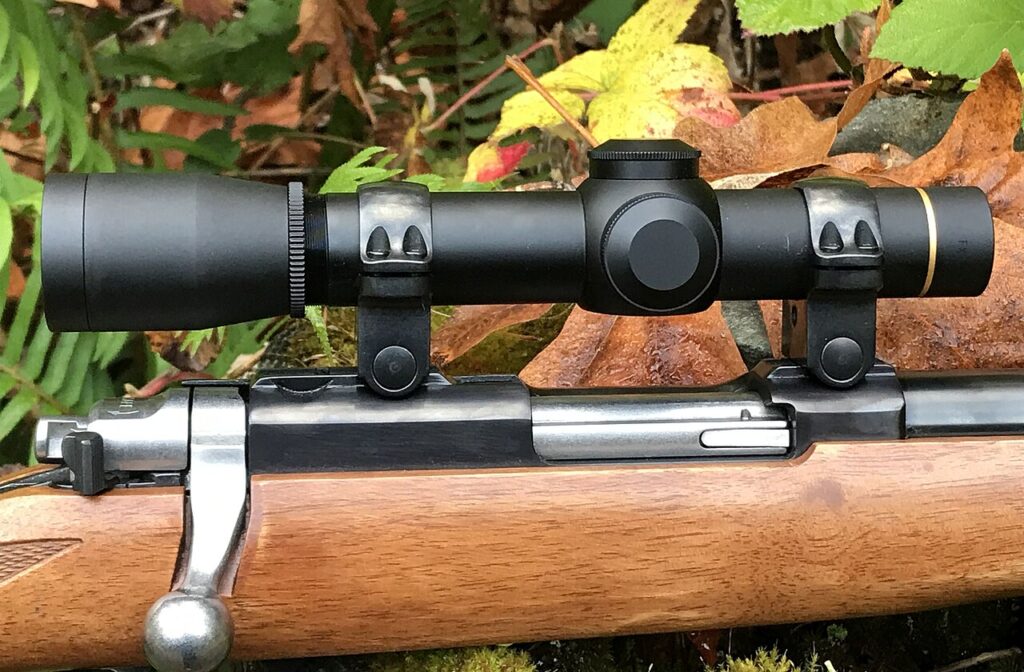
Representative photo. A rifle scope mounted on a firearm illustrates the critical interface between optics and mounting systems discussed in the article. Photo: Surv1v4l1st / Wikimedia Commons · CC BY-SA 4.0. Resized for display. Sources checked October 29, 2026.

Sources & further reading
- The Science of Brilliant | Trijicon ↗
- Quick Release Mounts with Trijicon Q-LOC Technology | Trijicon ↗
- Trijicon REAP-IR-50 Thermal Riflescope | Trijicon ↗
- Trijicon ACOG Rifle Scope | Trijicon ↗
Sources reviewed 2026-10-29.
Prepared for Gunfire Magazine with AI assistance from the linked source material and the publication’s editorial brief. Specifications and manufacturer claims are attributed to their original sources.