

RESEARCH-BASED PRODUCT FEATURE
Based on published manufacturer specifications. Gunfire Magazine has not physically tested this product for this article.
The Seasonal Shift in Gear Maintenance
The transition into November marks a critical juncture for outdoor enthusiasts. As daylight diminishes and temperatures fluctuate, the equipment that served reliably during late summer requires a targeted audit. This is not merely about packing away summer gear; it is an exercise in operational readiness. Effective preparation begins by recognizing that environmental changes—such as cold-weather impacts on batteries or the increased likelihood of travel delays—demand a structured review of your range kit. As noted in Autumn Maintenance: A Seasonal Protocol for Gear Longevity, a rigorous, protocol-driven approach to your equipment maintenance cycle helps identify potential failure points before they manifest in the field. When your gear is properly audited and maintained, you ensure that your range time remains productive regardless of the shifting calendar.
Electronic components, often essential for modern range activities, are particularly sensitive to these seasonal changes. Cold temperatures are known to reduce the efficiency of battery-powered devices, such as electronic hearing protection or optics. A primary step in your seasonal audit should be verifying the state of all power sources. According to the guidance provided by Ready.gov in their Build A Kit resource, maintaining your kit is a continuous process that involves checking supplies to ensure they remain functional when needed. This is the ideal time to rotate out batteries that have been exposed to fluctuating temperatures and to inspect the seals on your electronic devices to prevent moisture ingress, which becomes a greater concern as winter precipitation increases.
Auditing Your Mobile Support Infrastructure
For many, the journey to the range involves significant travel, making the vehicle an essential component of the overall logistics plan. November conditions often introduce unpredictable road hazards, from early frost to reduced visibility. According to the Car Safety guidance from Ready.gov, maintaining a dedicated emergency kit in your vehicle is a baseline requirement for safety. This kit should be distinct from your range bag, containing items such as jumper cables, flares, an ice scraper, and blankets. These are not merely conveniences; they are essential components of a safety plan designed to manage the risks of winter travel.
When auditing your vehicle kit, ensure it is distinct from your range bag. While there may be overlap, the vehicle kit must be optimized for survival and signaling rather than shooting performance. Furthermore, as discussed in Auditing Your Emergency Kit for the Winter Shift, your mobile kit should be inventoried with the same rigor as your home-based storage. Check the expiration dates on any medical supplies or food rations kept in the vehicle, and ensure that your maps and communication devices are accessible and functional. If you carry tools for vehicle maintenance, verify that they remain in good working order and are easily reachable without having to unpack your entire range setup.
Sustenance and Environmental Readiness
While high-tech range gear often dominates our attention, fundamental survival requirements—specifically water and nutrition—are frequently overlooked until an emergency occurs. The need for hydration does not vanish when the temperature drops; in fact, the body’s metabolic demands can remain high even in cold weather. As outlined in the Water guidelines from Ready.gov, you should store at least one gallon of water per person per day. If you are preparing for potential winter disruptions, consider how your water storage strategy changes in unheated spaces. Containers must be placed to minimize the risk of rupture due to freezing, and if you are using your own containers, follow established sanitation protocols, such as using non-scented liquid household chlorine bleach for disinfection.
Similarly, your food supply requires a seasonal review. Per Food guidelines, prioritize non-perishable items that require minimal preparation. Integrating these basic survival considerations into your broader equipment audit ensures that your preparedness is comprehensive rather than superficial. When auditing your food supplies, ensure that any canned goods are protected from freezing, as the expansion of contents can compromise the seal of the container. By integrating these basic survival considerations with your equipment maintenance, you build a comprehensive safety net that supports your activities regardless of the season.
Building a Resilient Administrative Framework
Preparation is a continuous cycle, not a one-time event. As you finalize your November audits, use the Make A Plan resource from Ready.gov to formalize your communication and evacuation strategies. Your emergency plan should be a living document that you practice with your household members, ensuring that everyone understands meeting places and how to receive emergency alerts. This administrative layer is the foundation upon which your physical gear and supplies rest. By combining a disciplined approach to gear maintenance, a robust vehicle safety plan, and a clear, practiced emergency strategy, you can navigate the late-year operational landscape with confidence and focus.
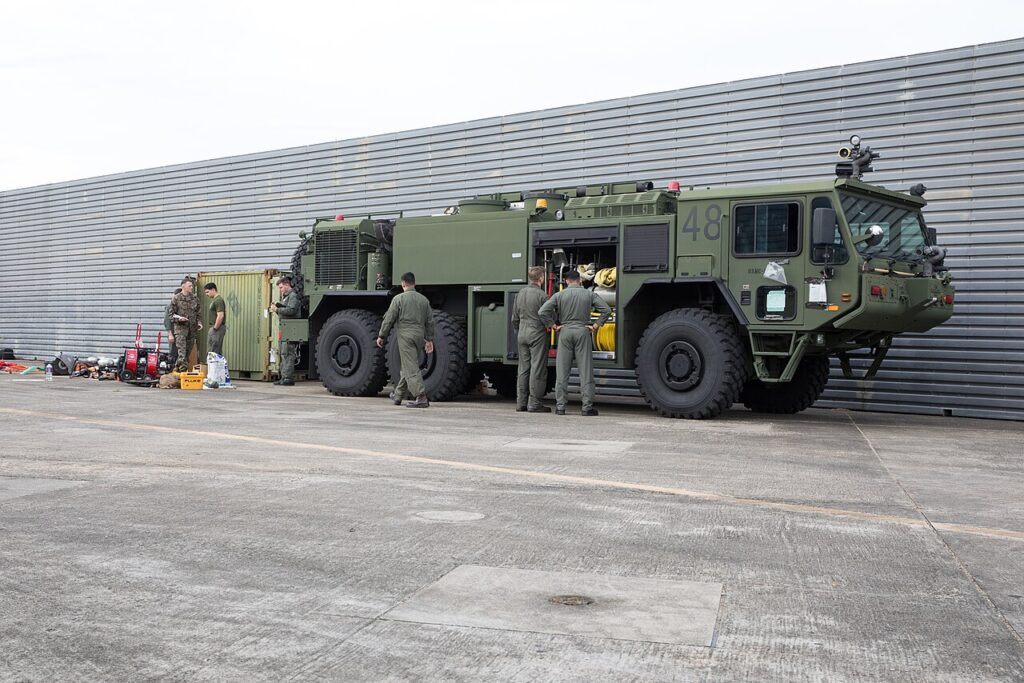
Representative photo showing a disciplined, protocol-driven approach to equipment inventory and maintenance, which is essential for ensuring operational readiness. Photo: U.S. Marine Corps photo by Pfc. Erick Reyes / Wikimedia Commons · Public domain. Resized for display. Sources checked October 30, 2026.

Sources & further reading
- Make A Plan | Ready.gov ↗
- Build A Kit | Ready.gov ↗
- Car Safety | Ready.gov ↗
- Water | Ready.gov ↗
- Food | Ready.gov ↗
Sources reviewed 2026-10-29.
Prepared for Gunfire Magazine with AI assistance from the linked source material and the publication’s editorial brief. Specifications and manufacturer claims are attributed to their original sources.