

RESEARCH-BASED PRODUCT FEATURE
Based on published manufacturer specifications. Gunfire Magazine has not physically tested this product for this article.
The Seasonal Audit Protocol
As the calendar turns toward November, the transition in weather patterns serves as a functional reminder to review the status of your emergency preparedness equipment. According to federal guidance, preparedness is not a static task but a recurring responsibility that requires maintenance and re-evaluation. The guidelines at https://www.ready.gov/kit suggest that individuals should re-think their needs every year and update kits as family requirements change. An audit should begin by verifying the contents of your basic disaster supplies kit, which serves as the foundation for both home and mobile readiness.
A foundational kit, as outlined by the Ready.gov resources, includes non-perishable food, water, a battery-powered or hand-crank radio, a flashlight, a first aid kit, and extra batteries. As you transition into the colder months, the specific utility of these items may shift. For instance, the need for reliable lighting increases as daylight hours decrease. During an audit, check the functionality of flashlights and the charge level of backup batteries. If you utilize a radio, ensure it is capable of receiving NOAA Weather Radio tone alerts, which are critical for staying informed about severe weather events that frequently occur during late autumn and winter.
Winter-Specific Considerations for the Road
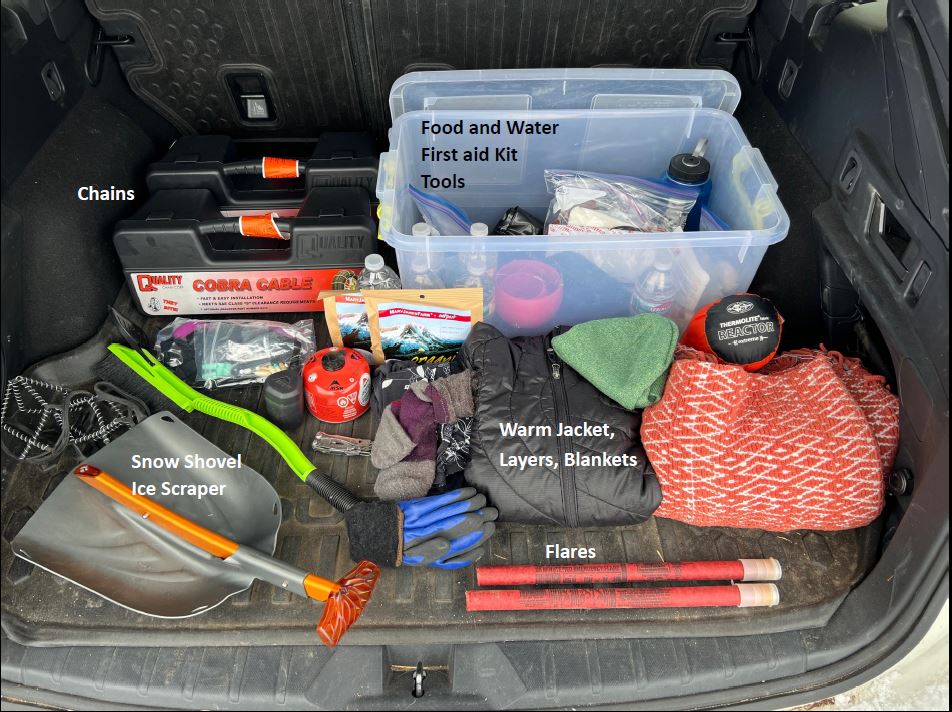
The transition to winter conditions necessitates a specific focus on vehicle readiness. The guidance provided at https://www.ready.gov/car highlights that planning for long trips requires listening to weather forecasts and road conditions, but it also underscores the importance of a dedicated emergency kit inside the vehicle. A winter-ready car kit should include items that go beyond the standard summer kit, such as an ice scraper, a blanket, and materials for tire traction, like cat litter or sand.
When auditing your vehicle supplies, consider the physical environment. Cold temperatures can affect the performance of certain items, and vehicle storage requires careful planning to ensure that gear remains accessible but secure. As discussed in our previous coverage, Plan Secure Storage Before the Car Trip, the way you arrange your interior space matters. A kit that is not properly secured can become a hazard, while one that is buried under other cargo may be inaccessible during an emergency. Ensure that your jumper cables, flares, or reflective triangles are stored in a location that is reachable even if the vehicle is fully loaded with seasonal gear.
Furthermore, the Ready.gov car safety resources advise that drivers should keep their gas tanks full during the winter months, not only for evacuation purposes but to prevent fuel lines from freezing. It is also a critical time to have a mechanic check essential systems, including antifreeze levels, the battery and ignition system, brakes, and the heater and defroster. These mechanical checks are just as vital to your emergency preparedness as the physical supplies you carry.
Maintaining the Integrity of Your Supplies
A comprehensive audit must address the lifespan and condition of your stored items. Food supplies, for example, require specific attention. Ready.gov notes that canned foods, dry mixes, and staples are ideal for emergency storage because they do not require refrigeration. However, these items are not immune to environmental factors. During your seasonal audit, inspect canned goods for signs of swelling, dents, or corrosion, and discard any that appear compromised. If you store boxed food, ensure it is in tightly closed plastic or metal containers to protect it from moisture and pests.
Water storage also requires periodic maintenance. If you have prepared your own containers, the guidelines suggest that non-commercially bottled water should be replaced every six months. If you find yourself needing to treat water, remember that boiling is the most reliable method, requiring a rolling boil for one full minute. Other methods, such as chlorination using regular household liquid bleach, are also documented at https://www.ready.gov/water, but these require specific concentrations and standing times to be effective. As you update your supplies, consider how your environment might change; for example, if you are planning travel, your kit needs to be integrated into your broader itinerary.
This integration is a key component of effective planning. As noted in The Trip Plan That Belongs Beside Your Hunting Checklist, having a clear, written plan is as important as the physical gear you pack. Whether you are preparing for a seasonal hunting trip or simply commuting through winter weather, your plan should account for communication, meeting places, and evacuation routes. By combining a physical audit of your supplies with a review of your emergency communication plan, you can ensure that you are prepared for the specific challenges of the winter season.
Representative photo: An organized car trunk showing essential winter emergency supplies, including a shovel, ice scraper, blankets, and a kit containing food and tools, ready for a seasonal audit. Photo: Oregon Department of Transportation / Wikimedia Commons · CC BY 2.0. Resized for display. Sources checked October 23, 2026.

Sources & further reading
- Build A Kit | Ready.gov ↗
- Car Safety | Ready.gov ↗
- Water | Ready.gov ↗
- Food | Ready.gov ↗
- Make A Plan | Ready.gov ↗
Sources reviewed 2026-10-23.
Prepared for Gunfire Magazine with AI assistance from the linked source material and the publication’s editorial brief. Specifications and manufacturer claims are attributed to their original sources.