
The Transition from Competition to Development
The late-October landscape in the shooting sports is often characterized by a transition. Following a high-intensity period of late-summer and early-autumn competition—including the USA Shooting Fall Selection matches and various international World Cup events—the focus for many organizations and athletes shifts from the firing line to the classroom and the boardroom. This pivot is essential for long-term growth, as the work done in the off-season directly impacts performance in the next calendar year. As discussed in After Hunter Education, Keep Learning With a Clear Purpose, the end of a formal training or competition cycle is rarely the end of the journey; rather, it is an opportunity to refine methodology and address systemic needs.
Investing in Coaching Infrastructure
While athletes often dominate the headlines during match season, the recent expansion of educational opportunities highlights the critical role of coaching infrastructure. In October 2026, the International Shooting Sport Federation (ISSF) hosted its first-ever "A" Coaches Course in India, held at Taj Surajkund in Faridabad. This event brought together 30 coaches—29 from India and one from the United States—for an advanced program focused on technical expertise, coaching methodology, and high-performance development. According to reports from the ISSF "A" Coaches Course opens in India for the first time, the curriculum was managed by the ISSF Academy and featured faculty instructors covering both rifle and pistol disciplines. This initiative underscores a global trend: the professionalization of coaching is viewed as a prerequisite for sustained athletic success. By providing coaches with access to international expertise and modern practices, national associations are effectively building a sustainable pipeline for future competitors.
Reviewing the Competitive Landscape
The competitive results from the past few months serve as the primary data set for this developmental work. The USA Shooting Fall Selection matches, which concluded in September 2026, were notable for the return of shotgun competition to the historic Fort Carson range. This event was a significant logistical undertaking, with nearly 200 athletes registered for the trap match alone. As detailed in the USA Shooting Fall Selection Matches Set the Stage for International Competition, the combined results from these matches and the earlier National Championships have set the National Team rankings for the remainder of the year. Analyzing these results—and those from international events like the ISSF World Cup in Cairo—allows coaches and athletes to identify specific performance gaps. Whether it is the narrow margins seen in Cairo, where Jiri Privratsky edged Marcus Madsen by just over a point in the 10m Air Rifle Men final, or the shoot-offs seen in European Trap championships, these data points provide the "why" behind the training adjustments that will occur in the coming months. Understanding the history and context of these results is akin to understanding the provenance of an object, as explored in Beyond the Display: How Provenance Reveals History; in both cases, the story behind the data is what informs future decisions.
Governance as a Foundation
Beyond coaching and individual performance, the administrative side of the sport is equally active during this seasonal shift. Organizations are currently navigating governance cycles, with calls for board nominations and athlete advisory committee positions being issued in early October. These administrative processes are the "human infrastructure" of the sport. They ensure that rules, selection procedures, and athlete well-being initiatives remain aligned with the evolving needs of the shooting community. As the 2026 calendar concludes and the 2027 planning cycle begins, the work of these committees will be instrumental in maintaining the stability required for athletes to perform at the highest levels. The transition period is not merely a break; it is a deliberate phase of assessment, education, and structural reinforcement that defines the health of the sport for the year to come.
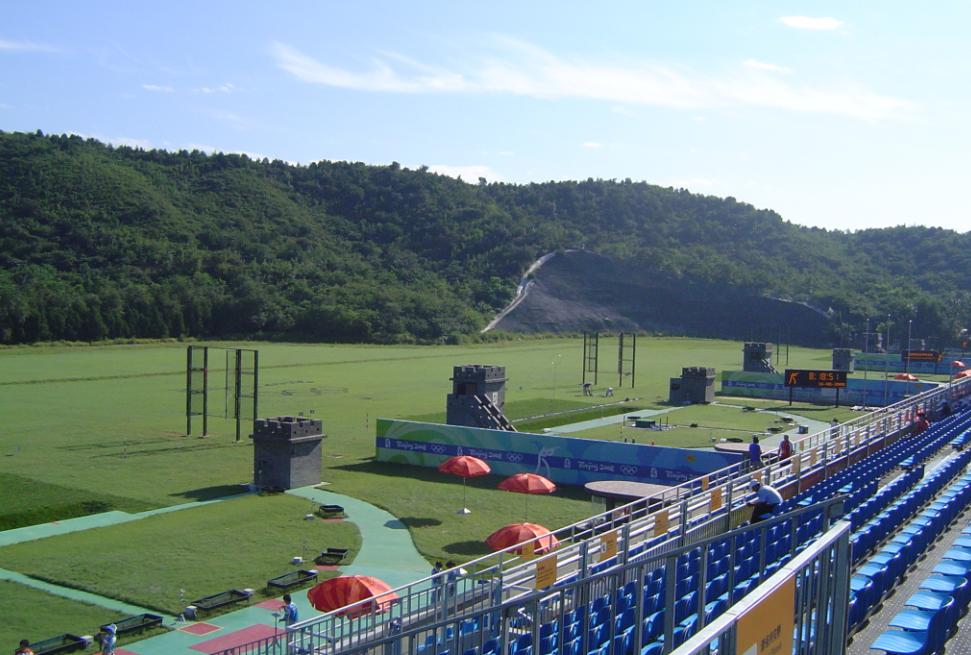
Representative photo showing a professional shooting range facility, illustrating the venues where competitive cycles take place and developmental work continues. Photo: Doma-w (talk) / Wikimedia Commons · CC BY-SA 3.0. Resized for display. Sources checked October 24, 2026.

Sources & further reading
- USA Shooting Fall Selection Matches Set the Stage for International Competition | USA Shooting ↗
- ISSF - ISSF “A” Coaches Course opens in India for the first time ↗
Sources reviewed 2026-10-24.
Prepared for Gunfire Magazine with AI assistance from the linked source material and the publication’s editorial brief. This piece does not claim original interviews, on-site reporting or hands-on product testing.