

The transition into late October often brings a distinct shift in activity for firearm owners. As the calendar fills with range sessions and hunting excursions, the frequency with which gear is transported, accessed, and stored increases. This seasonal change serves as an ideal checkpoint to audit your safety logistics. Safety is not a static condition; it requires ongoing attention to ensure that your habits remain aligned with best practices, regardless of how often your routine changes. By taking a methodical approach to your administrative readiness, you can reinforce the safety standards that keep you and your community secure throughout the year.
The Logistics of Year-Round Storage
Secure storage is a foundational pillar of responsible ownership, yet it is easy for habits to drift as the seasons progress. While national awareness campaigns like the NSSF's Gun Storage Check Week provide specific dates for focused attention, the objective of ensuring firearms are stored securely is a year-round responsibility. As reported by the National Shooting Sports Foundation, retailer-led initiatives continue to bring safety education into local communities, providing essential touchpoints for owners to evaluate their storage practices (https://projectchildsafe.org/news/range-usa-participates-in-gun-storage-check-week-retailer-pilot-program/). When you are handling gear more frequently due to seasonal demand, it is vital to assess whether your current storage solutions remain adequate. As explored in our previous coverage, https://www.gunfiremagazine.com/secure-storage-starts-at-home/, the act of securing a firearm is a deliberate process that should be reviewed whenever life circumstances change. The Centers for Disease Control and Prevention emphasizes that simply placing a firearm out of sight or out of reach is not equivalent to secure storage and is insufficient to prevent unauthorized access by children or others (https://www.cdc.gov/firearm-violence/prevention/). True security requires the use of dedicated devices, such as safes or lock boxes, which are proven to help prevent accidents, theft, and unauthorized use.
Vehicle Security and Transit Protocols
Increased mobility is a hallmark of the autumn season, whether you are traveling to public lands for a hunt or visiting a local shooting range. This increased time on the road introduces new logistics regarding how firearms are secured while in transit. A recurring safety concern is the theft of firearms from unattended vehicles. It is a common misconception that hiding a firearm in a vehicle provides sufficient security. According to industry resources, stolen firearms are significantly more likely to be used in future crimes, making the prevention of vehicle-based theft a serious public safety responsibility for every owner. When planning your trips this season, consider your vehicle storage setup with the same level of scrutiny you apply to your home storage. Ensuring that your equipment remains in your control or is properly secured within the vehicle is a vital part of the planning process. This is not merely about protecting property; it is about preventing the diversion of firearms into unauthorized hands.
Hearing Protection: A Seasonal Audit
As the air turns cooler and range sessions become a staple of the autumn schedule, it is also time to audit your hearing protection. Hearing loss is cumulative and often permanent, and it can occur quickly in environments with loud noise. According to the National Institute on Deafness and Other Communication Disorders (NIDCD), sound is measured in decibels, and exposure to sounds at or above 85 A-weighted decibels (dBA) can cause damage over time (https://www.nidcd.nih.gov/health/protect-your-childs-hearing). In shooting environments, the noise levels can be significantly higher, making protection essential for every participant and spectator.
When reviewing your hearing protection, consider the fit and the specific environment. Protective earmuffs and earplugs are not one-size-fits-all. For instance, if you wear glasses while shooting, the temples of the frames can create gaps between the earmuff cushion and your skull, which can reduce the effectiveness of the protection. It is important to ensure a proper seal regardless of accessories like eyewear or hats. Furthermore, as explored in our guide at https://www.gunfiremagazine.com/hearing-protection-family-spectators/, hearing protection is just as important for spectators as it is for participants. If you are bringing family members or friends to the range, ensuring they have properly fitted, comfortable protection is a non-negotiable part of the safety plan. The best hearing protection is the kind that is comfortable enough to be worn consistently, as this increases the likelihood that it will be used correctly. Regularly checking the condition of your earmuffs—ensuring the cushions are not cracked or worn—is a simple maintenance task that should be part of your seasonal gear audit.
Maintaining Vigilance Throughout the Season
The transition into the late-year months is an opportunity to reset your habits. Whether it is reviewing the internal safety mechanisms of your firearms, checking the integrity of your storage containers, or ensuring your hearing protection is in good working order, these small, consistent actions contribute to a safer environment. By taking the time to reassess your procedures now, you ensure that safety remains at the forefront of your activities, regardless of how often your range or hunting schedule changes. Responsible ownership is defined by these ongoing efforts to learn, adapt, and prioritize the well-being of yourself and your community.
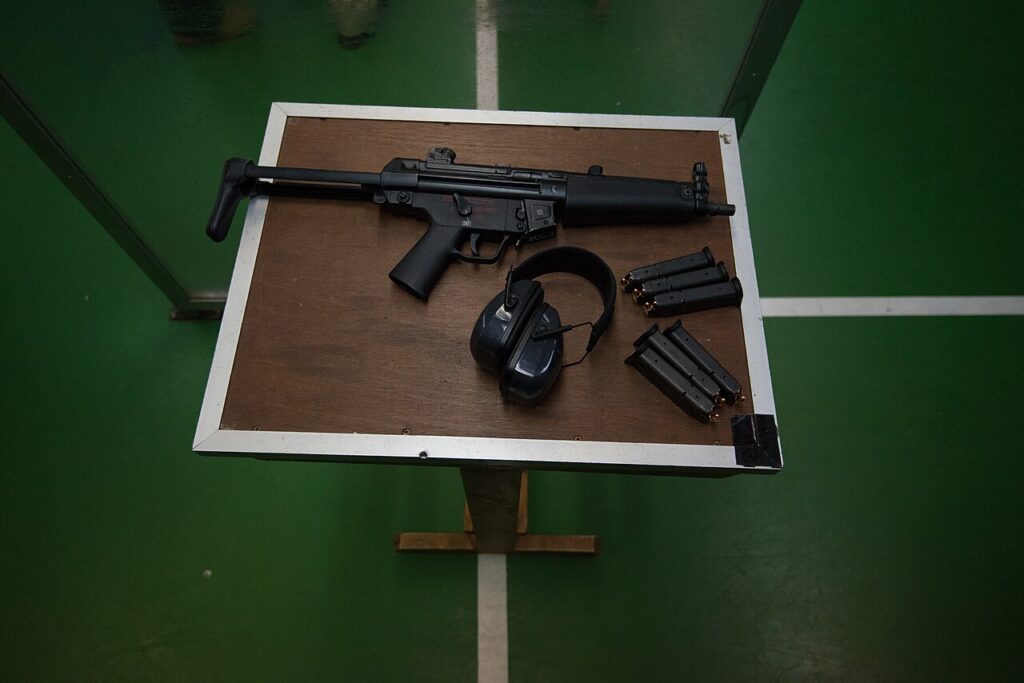
Representative photo: This image highlights essential range gear, including hearing protection and secure equipment staging, which are key components of a seasonal safety audit. Photo: Visual Information Specialist Pierre-Etienne Courtejoie / Wikimedia Commons · Public domain. Resized for display. Sources checked October 23, 2026.

Sources & further reading
- Range USA Participates in Gun Storage Check Week Retailer Pilot Program – Project Childsafe ↗
- Protect Your Child’s Hearing | NIDCD ↗
- Preventing Firearm Injury and Death | Firearm Injury and Death Prevention | CDC ↗
- In Your Vehicle – Project Childsafe ↗
Sources reviewed 2026-10-23.
Prepared for Gunfire Magazine with AI assistance from the linked source material and the publication’s editorial brief. This piece does not claim original interviews, on-site reporting or hands-on product testing.