

The Seasonal Shift in Collection Care
As the calendar turns toward late October, the environmental conditions that impact firearm collections inevitably shift. For those maintaining personal collections, this transition period—often marked by changing humidity levels and the onset of heating seasons—demands a proactive approach to preservation. Drawing on protocols similar to those used by the National Park Service in their Conserve O Gram series, collectors should view this time of year as a critical window for auditing storage environments and assessing the condition of their holdings (https://www.nps.gov/subjects/museums/conserve-o-grams.htm). The fundamental principle of preventive conservation is that preservation questions must come before any attempt at cosmetic improvement. Whether your collection includes historic longarms or contemporary sporting gear, the goal is to stabilize the environment rather than alter the object. A seasonal audit is not about polishing surfaces; it is about verifying that your storage solutions—whether cabinets, safes, or climate-controlled rooms—are functioning as intended to mitigate agents of deterioration such as mold, pests, and moisture.
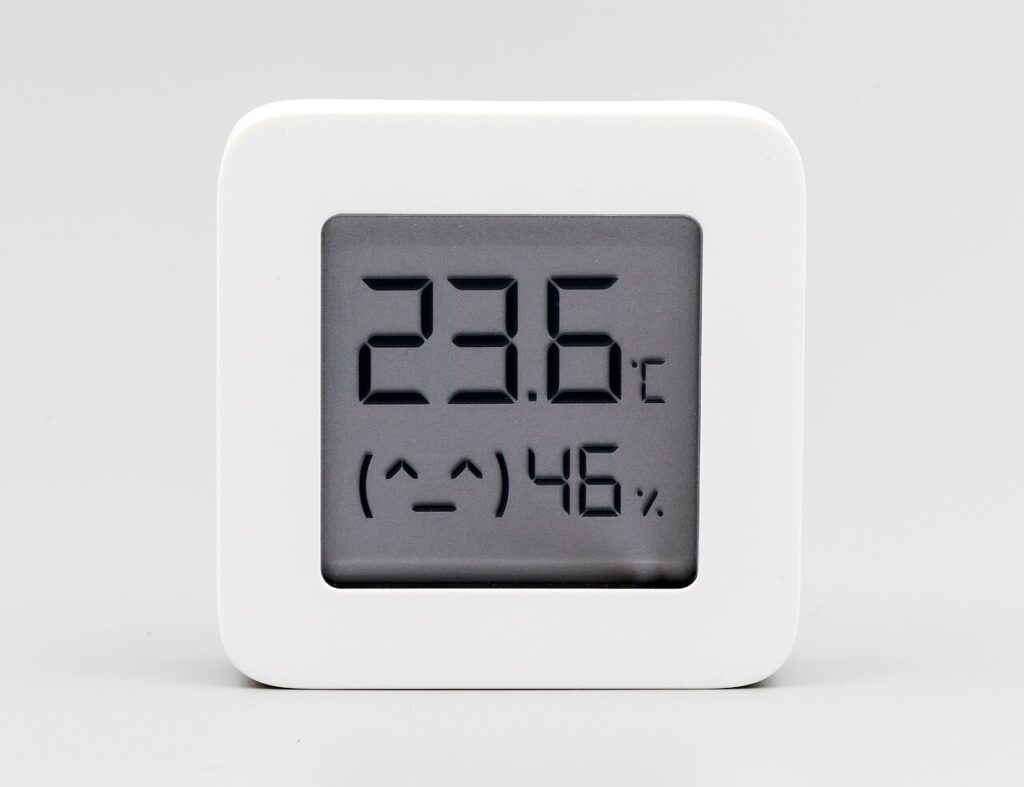
To begin your audit, consider the environmental variables in your storage area. The Conserve O Gram series emphasizes that monitoring relative humidity is essential, as fluctuations can accelerate the degradation of organic materials like wood stocks or leather accessories. Using a psychrometer or a calibrated datalogger allows you to establish a baseline for your storage space. If you notice significant shifts as the weather cools, you may need to adjust your approach. This is also the time to inspect for signs of pest activity. The introduction of new monitoring procedures, such as the use of sticky traps, suggests that early detection is the most effective way to prevent damage. If you have been storing gear in a garage or basement, consider whether the seasonal drop in temperature and the subsequent use of indoor heating systems are affecting the stability of that space. A simple audit might reveal that a previously secure location has become prone to new moisture patterns or pest ingress as temperatures cool.
Evaluating Your Storage Infrastructure
Effective storage is rarely a "set it and forget it" proposition. When examining your own storage setup, it is useful to look at how professional institutions manage their space. For instance, the Main Arsenal at the Springfield Armory was constructed with a specific purpose in mind: to store up to 300,000 firearms in a controlled environment (https://www.nps.gov/spar/learn/historyculture/the-main-arsenal.htm). While your personal storage needs are smaller in scale, the lessons remain relevant. The building was designed to command the Armory complex, but its interior functions—the racks, the layout, and the climate considerations—were all part of a larger strategy to maintain the condition of the inventory. Just as the Armory transitioned from storing firearms in double-height racks to using crates for easier distribution, your storage strategy should evolve to meet your current needs.
When you conduct your audit, ensure that your storage is not just hidden, but truly secure. As discussed in the article Out of Sight Is Not the Same as Secure Storage, simply tucking gear away does not equate to protection. Security and fire ratings answer different questions, and it is vital to understand the difference between a container that hides an object and one that protects it. If you utilize modular structures or cabinets, verify that gaskets are intact and that any microclimates you have created—such as those using silica gel or other desiccants—are still effective. The goal is to create a consistent environment that resists the external fluctuations of the changing season, mirroring the professional standards used in museum collections management.
The Archive as Personal History
While the focus is often on the physical object, the documentation surrounding your collection is equally vital. An audit should include a review of these records to ensure that your inventory remains accurate. If you have added items over the past year, verify that your descriptive records are up to date. Moreover, consider the human element of your collection. The story of the Springfield Armory reminds us that objects are often inextricably linked to the people who produced or used them. Preserving the context of your collection—whether through oral histories or organized digital files—ensures that the "story behind the steel" remains intact for the future. As discussed in The story behind the steel, treating your collection as an archive rather than just a set of tools changes how you approach its care. By prioritizing preservation and documentation today, you ensure that your collection remains a reliable historical record for years to come.
Finally, do not underestimate the value of oral history. The National Park Service maintains a directory of oral history collections, recognizing that what an oral history preserves, objects cannot (https://www.nps.gov/subjects/oralhistory/upload/Directory-of-Oral-History-in-the-NPS-3rd-Ed-May2015.pdf). If your collection includes family heirlooms, take the time to record the stories associated with them. Who used them? How were they acquired? What role did they play in your family's history? These narratives are the provenance of your personal collection, and like the objects themselves, they require active preservation. By combining physical storage maintenance with the documentation of history, you create a comprehensive strategy that protects both the material and the meaning of your collection.
Representative photo: Monitoring environmental conditions like humidity is essential for preserving collections during seasonal climate shifts. Photo: Jacek Halicki / Wikimedia Commons · CC BY-SA 4.0. Resized for display. Sources checked October 26, 2026.

Sources & further reading
- NPS Conserve O Grams - Museums & Collections (U.S. National Park Service) ↗
- The Main Arsenal - Springfield Armory National Historic Site (U.S. National Park Service) ↗
- Directory of Oral History in the NPS ↗
Sources reviewed 2026-10-24.
Prepared for Gunfire Magazine with AI assistance from the linked source material and the publication’s editorial brief. This piece does not claim original interviews, on-site reporting or hands-on product testing.