

Production totals are an efficient way to describe a factory. They are a poor substitute for the people who made that production possible. The National Park Service’s account of women ordnance workers at Springfield Armory describes thousands of women joining the wartime workforce and explains the symbols associated with the Woman Ordnance Worker program. Read the NPS history.
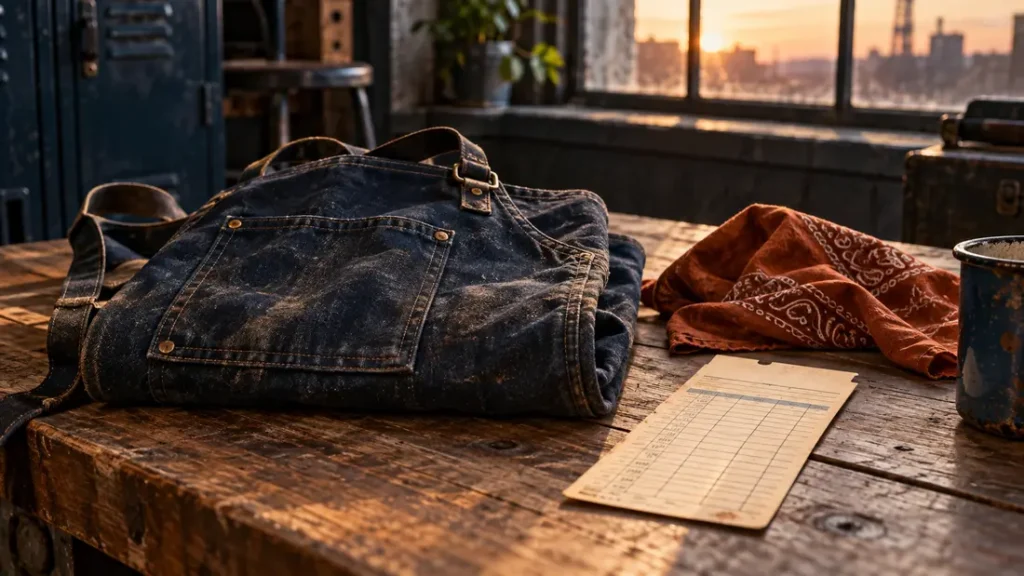
The page places women in the everyday operation of an industrial system, not merely at the edge of a familiar wartime photograph. It also explains that distinctive workwear served both symbolic and practical purposes. Those details make the subject richer than a single poster or a generalized story of national mobilization.
For a magazine covering firearms culture, this is an invitation to widen the frame. Manufacturing history includes labor, training, schedules, clothing, family life and the movement of people through a community. Objects can lead readers toward those subjects, but they should not crowd the workers out of the story.
A useful feature might begin with an ordinary artifact and ask who used it, what records survive and whose account is missing. That approach requires careful attribution. A photograph can show a person at work without establishing what they thought about the experience. Oral histories and employment records answer different questions and should remain distinct forms of evidence.
The editorial opportunity is to tell industrial history at several scales at once: the institution, the workforce and the individual. The NPS account provides a starting point, not a complete portrait of every woman who worked there. Further reporting should preserve differences among experiences instead of treating a large group as a single character. Readers gain a more meaningful understanding when the story includes the people whose work gave the machines and buildings their purpose.
Continue with Special Features and read our editorial standards.
Sources & further reading
Original source publication: 2023-03-25.
Sources reviewed 2026-10-13.
Prepared for Gunfire Magazine with AI assistance from the linked source material and the publication’s editorial brief. This piece does not claim original interviews, on-site reporting or hands-on product testing.