

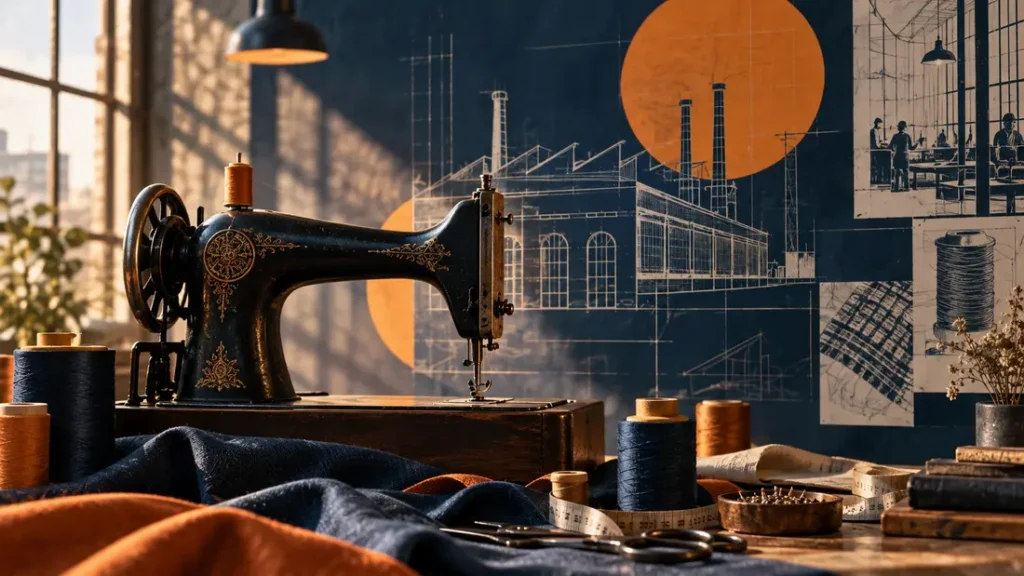
A museum organized only by finished products can make technological history look more separated than it was. A Smithsonian essay about Samuel Colt and sewing machines offers a useful counterpoint: manufacturing ideas can connect objects that modern readers place in very different categories. Read the Smithsonian essay.
The article provides a starting point for thinking about production rather than simply product identity. Instead of asking only what an object was used for, a reader can ask how it was made, what skills its production required and which other industries faced related problems. This feature does not provide manufacturing instructions; it examines the way historical stories are organized.
That shift can change a museum visit. A domestic machine and a military artifact may belong to different social histories while still inviting comparison in their industrial context. The aim is not to erase those differences. It is to avoid a narrow account in which an invention appears to emerge without workers, suppliers or neighboring fields of knowledge.
Good cross-industry reporting requires careful evidence. Similar-looking parts do not prove that one maker borrowed from another. A confident connection should rest on documents, dated examples and specialist interpretation. Where the evidence is incomplete, the article should identify a question rather than manufacture a neat line of influence.
For Gunfire readers, this is a reminder that firearms heritage is part of a larger history of work and technology. A broader lens can reveal unexpected subjects while keeping the original context intact. The Smithsonian essay is best used as an invitation to follow those connections through credible collections and scholarship. The resulting story can be more interesting than a list of famous names because it shows how industrial knowledge moved across the boundaries that later museum labels and magazine sections created.
Continue with Special Features and read our editorial standards.
Sources & further reading
Sources reviewed 2026-10-13.
Prepared for Gunfire Magazine with AI assistance from the linked source material and the publication’s editorial brief. This piece does not claim original interviews, on-site reporting or hands-on product testing.