

RESEARCH-BASED PRODUCT FEATURE
Based on published manufacturer specifications. Gunfire Magazine has not physically tested this product for this article.
The Vehicle as a Mobile Logistics Hub
As the calendar moves toward November, the operational environment for outdoor enthusiasts undergoes a significant shift. The transition from the warmth of late summer to the volatility of late autumn requires a deliberate audit of your equipment and transport logistics. For many, the range kit is inseparable from the vehicle used to reach the destination, making vehicle maintenance a core component of your seasonal readiness. According to guidance from Ready.gov, preparing your car for emergencies is a critical step in any travel plan, especially when seasonal weather becomes unpredictable. A vehicle emergency kit should include essential items such as jumper cables, flares or a reflective triangle, an ice scraper, a map, and a blanket. Mechanical readiness is equally vital; before the onset of winter, ensure a mechanic has checked your antifreeze levels, battery and ignition system, brakes, exhaust system, and tire tread. If you are driving on slippery, icy, or snowy roads, remember to disable your vehicle’s cruise control, as it can cause wheels to spin faster if you lose traction. When planning these trips, it is useful to integrate your gear audit with a broader travel strategy, as discussed in The Trip Plan That Belongs Beside Your Hunting Checklist. A documented plan helps ensure that both your vehicle and your equipment are prepared for the specific challenges of your destination.
Sustenance Management in Changing Climates
The transition to colder weather often changes the logistical needs regarding water and nutrition, even if you are only spending a few hours at a range. Staying hydrated remains a priority, and individual water needs can vary depending on age, health, physical condition, and climate. As noted in Ready.gov, you should store at least one gallon of water per person per day for drinking and sanitation. If you find yourself in a situation where you have exhausted your stored water, remember that boiling is the safest method of treatment, requiring one full minute at a rolling boil. Additionally, if you are keeping food in your vehicle during the autumn months, be mindful of temperature fluctuations. Perishable food should be kept at 40 degrees Fahrenheit or below; bacteria in food grow rapidly at temperatures between 40 and 140 degrees Fahrenheit. If you are bringing spectators or family members along for your range sessions, it is important to include them in your safety planning, as highlighted in Hearing Protection Belongs in the Spectator Plan, Too. A well-managed kit that includes non-perishable food, such as protein bars or canned items, ensures that you are prepared for unexpected delays.
Maintaining Kit Readiness and Communication
A disaster supplies kit is a collection of basic items your household may need in the event of an emergency, and maintaining this kit is a year-round responsibility. Whether you are assembling a kit for your home or your car, store items in airtight plastic bags and keep them in easy-to-carry containers like duffel bags or plastic bins. A basic kit should include a battery-powered or hand-crank radio, a flashlight, extra batteries, a first-aid kit, and a whistle to signal for help. Beyond the physical gear, your communication plan is a vital asset. Your family may not be together if an emergency occurs, so it is essential to establish a family meeting place that is familiar and easy to find. As you assess your household needs, consider the different ages of members, dietary needs, and medical requirements, including prescriptions. Keep your prescriptions organized and protected, as an emergency can make it difficult to find an open pharmacy. By regularly reviewing your gear, checking expiration dates on food, and practicing your communication plan with your household, you ensure that you are ready for the challenges of the coming season. This proactive approach to logistics transforms your equipment from a static collection of items into a reliable, functional system capable of supporting your needs in a variety of conditions.
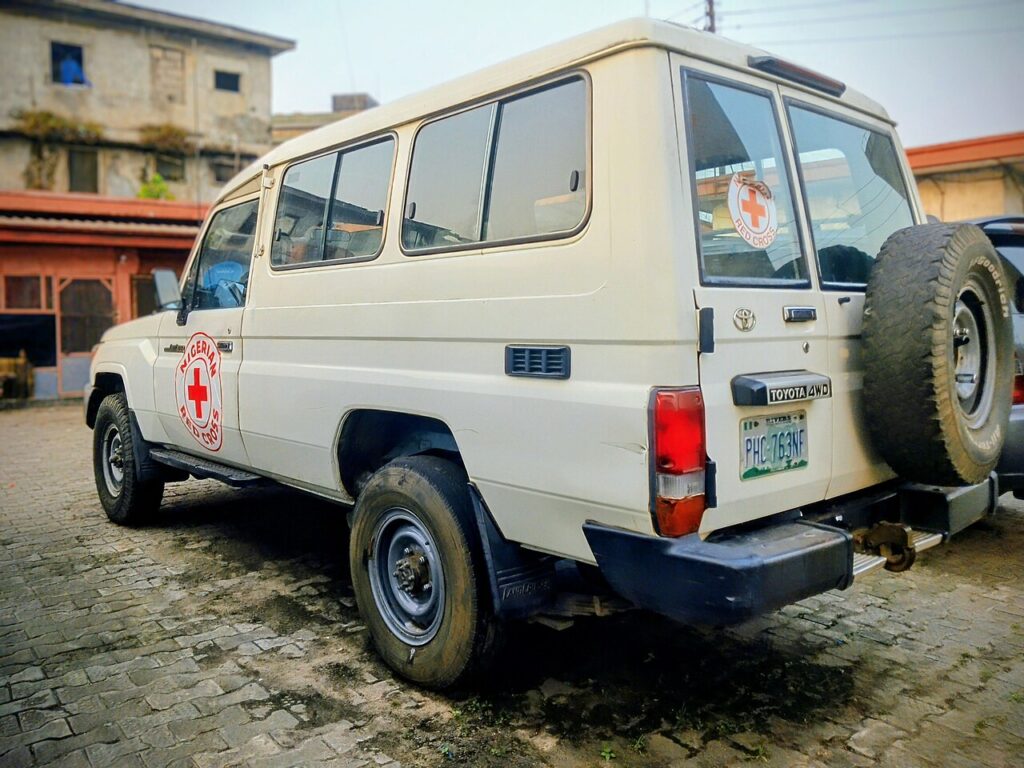
Representative photo: A rugged, well-maintained vehicle capable of serving as a mobile logistics hub for range gear and emergency supplies. Photo: ABORISADEADETONA / Wikimedia Commons · CC0. Resized for display. Sources checked October 26, 2026.

Sources & further reading
- Car Safety | Ready.gov ↗
- Water | Ready.gov ↗
- Food | Ready.gov ↗
- Make A Plan | Ready.gov ↗
- Build A Kit | Ready.gov ↗
- Disasters and Emergencies | Ready.gov ↗
Sources reviewed 2026-10-25.
Prepared for Gunfire Magazine with AI assistance from the linked source material and the publication’s editorial brief. Specifications and manufacturer claims are attributed to their original sources.