

RESEARCH-BASED PRODUCT FEATURE
Based on published manufacturer specifications. Gunfire Magazine has not physically tested this product for this article.
The Seasonal Shift in Operational Logistics
As the calendar moves into late October and early November, the environmental variables affecting shooting range operations change significantly. Cooler temperatures, increased morning moisture, and the potential for damp conditions necessitate a reassessment of how shooting accessories are transported and maintained. A research-based approach to gear management suggests that equipment longevity is tied directly to how well it is shielded from the elements during the transit and storage phases of the shooting cycle. When evaluating your current kit, it is useful to consider not just the utility of individual items, but the collective resilience of your storage solution.
For those looking to refine their approach to gear maintenance, resources such as Autumn Maintenance: A Seasonal Protocol for Gear Longevity provide a foundational framework for understanding how to mitigate the effects of seasonal changes on precision equipment. By viewing your gear as a system rather than a collection of independent items, you can better identify vulnerabilities in your current transport and storage setup. This system-based view is critical when preparing for the transition from warm, dry months to the unpredictable weather patterns that often characterize the end of the year.
Engineering Environmental Resilience
The core of any effective storage strategy is the physical barrier between sensitive equipment and the environment. Hard-sided cases are engineered with specific materials to provide environmental resistance. According to manufacturer specifications, cases such as those produced by Pelican utilize a crushproof, open-cell core with a solid polypropylene wall design, which offers a balance between structural strength and weight. This design, combined with an O-ring seal and a pressure equalization valve, creates a watertight and dustproof environment, as detailed at https://www.pelican.com/us/en/products/cases/. For the late-season shooter, these features are not merely convenience factors; they are operational requirements for protecting precision optics, electronic hearing protection, and other sensitive accessories from the humidity and debris common to outdoor ranges in autumn.
Beyond the exterior shell, the interior organization of a case significantly impacts the security of the gear. Many protective cases offer modular interior solutions, such as foam or divider systems, which allow users to customize the layout to the specific dimensions of their equipment. This customization ensures that items remain stationary during transit, preventing internal damage caused by shifting. When auditing your own cases, evaluate whether the current configuration provides a snug fit for all stored items. A well-organized case is less likely to suffer from internal wear and tear, extending the functional life of the accessories housed within. As discussed in Preparing Your Range Kit for Autumn Sessions and Storage, the way you pack your gear is as important as the gear itself.
Protecting Hearing and Situational Awareness
Hearing protection represents a critical category of shooting accessories that requires careful management in variable weather conditions. Modern electronic hearing protection, such as the Suppressor Bluetooth Earbuds from Walker's, incorporates technology designed to balance protection with situational awareness. These devices utilize sound-activated compression to mitigate the impact of sudden, high-decibel noises while maintaining the ability to hear ambient sounds. According to technical specifications provided by the manufacturer at https://www.walkersgameear.com/suppressor-earbuds/, these units feature a 25dB Noise Reduction Rating (NRR) and are compatible with mobile applications that allow users to switch between frequency modes, such as Universal, Clear Voice, and High Frequency.
The integration of Bluetooth connectivity in modern ear protection introduces the need for battery management, which becomes more critical as temperatures drop. Cold weather can impact battery performance, making it essential to monitor charge levels more frequently during late-autumn sessions. Furthermore, the use of silicone foam tips and locking fins is designed to ensure a secure fit, which is necessary for the device to perform at its rated NRR. If the fit is compromised, the effectiveness of the hearing protection is diminished. Therefore, a seasonal audit should include inspecting the condition of these physical components, ensuring that tips are not degraded and that the electronic seals remain intact.
The Role of Organized Preparedness
A comprehensive seasonal audit should extend beyond the primary shooting gear to include safety and emergency equipment. As days grow shorter and range conditions become less predictable, having a dedicated, accessible kit for minor injuries or equipment failures is a prudent step. Integrating a compact, pre-configured first aid system into your range bag ensures that essential tools—such as shears, tweezers, and wound care supplies—are always on hand. These systems, often housed in specialized micro-cases, provide a level of organization that is vital in high-pressure situations, allowing for quick identification and efficient response. Ultimately, the goal of this seasonal audit is to ensure that your accessories are ready for the conditions you will encounter. Whether you are upgrading your case to improve environmental sealing or verifying that your electronic hearing protection is fully charged and properly fitted, these small, deliberate actions contribute to a more consistent and sustainable shooting experience.
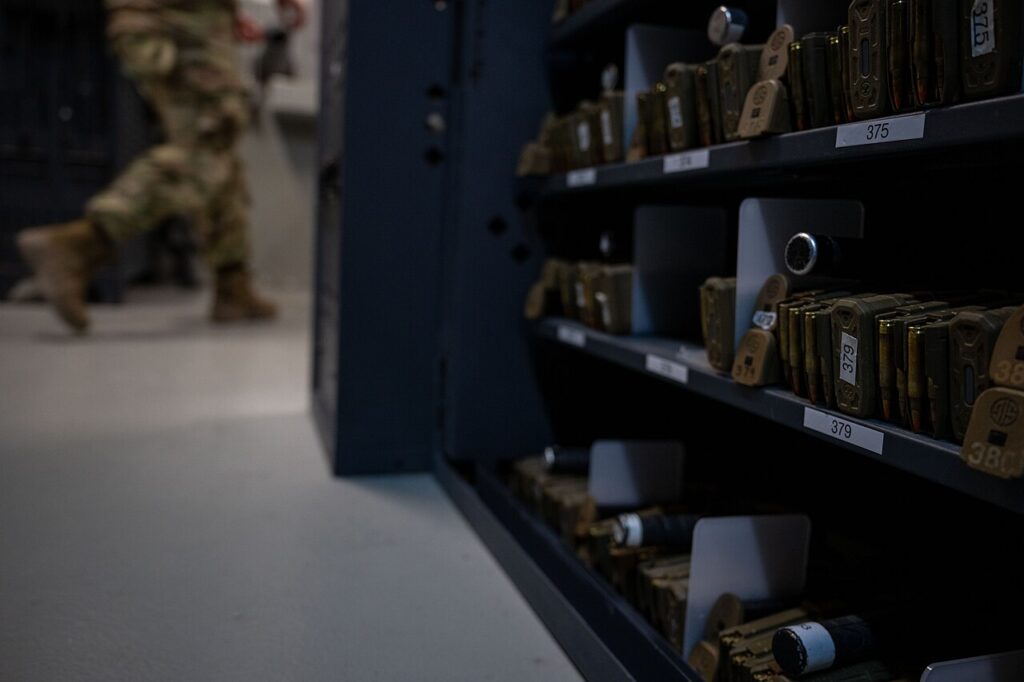
Representative photo: Organized storage of shooting equipment is essential for maintaining gear readiness and accessibility, mirroring the article's focus on systematic kit maintenance. Photo: U.S. Air Force photo by Senior Airman Amanda Jett / Wikimedia Commons · Public domain. Resized for display. Sources checked October 28, 2026.

Sources & further reading
Sources reviewed 2026-10-28.
Prepared for Gunfire Magazine with AI assistance from the linked source material and the publication’s editorial brief. Specifications and manufacturer claims are attributed to their original sources.