

RESEARCH-BASED PRODUCT FEATURE
Based on published manufacturer specifications. Gunfire Magazine has not physically tested this product for this article.
The Strategic Shift in Range Storage
As the late-autumn calendar turns, the frequency of outdoor range sessions often declines, shifting the focus from active deployment to long-term storage and maintenance. This transition period is an ideal time to evaluate the infrastructure supporting your range kit. Rather than viewing storage as a passive activity—simply placing equipment in a closet or a garage—it is more effective to treat it as an active component of your gear's lifecycle. A systematic approach to storage, utilizing specialized containers, can significantly extend the operational life of sensitive equipment, including optics, electronics, and firearms.
For those looking to refine their setup, the philosophy of modularity is increasingly relevant. As discussed in Preparing Your Range Kit for Autumn Sessions and Storage, the goal is to create a kit that is ready for transport and secure during downtime. Relying on disorganized storage methods often leads to environmental exposure, such as dust or moisture, which can degrade sensitive components over time. By transitioning to a modular storage ecosystem, you ensure that your gear is not only protected from the elements but also organized for immediate retrieval when the next season begins.
Modular Ecosystems for Diverse Loads
Modern storage solutions have evolved to prioritize versatility, allowing users to adapt their kit to different mission requirements. A prime example of this is the modular cargo system, such as the Pelican CRATE 90L. Unlike traditional, single-purpose cases, these units are designed as part of an interconnected ecosystem. According to the manufacturer's product documentation, the CRATE series features the ModRail system, which allows for the attachment of tie-downs, mounts, and other organizational accessories. This level of adaptability is crucial for range logistics, where the volume and type of gear can change depending on whether you are transporting rifles, optics, or general support equipment. You can find detailed specifications and configuration options at https://www.pelican.com/us/en/product/cases/cr90.
The ability to stack and secure these units provides a significant advantage for those managing multiple sets of gear. The CRATE 90L, for instance, is engineered to interlock securely with other sizes, such as the 45L model, creating a stable, unified transport load. This modularity extends to the interior, where users can configure trays and dividers to match the specific dimensions of their equipment. By moving away from "one-size-fits-all" storage, you reduce the risk of gear shifting during transport, which is a common cause of minor damage to sensitive optics and electronic accessories. For further insight into the long-term benefits of rigorous maintenance and storage, see Autumn Maintenance: A Seasonal Protocol for Gear Longevity.
Precision Protection for Sensitive Equipment
While larger crates are excellent for bulk storage and transport, precision equipment often requires a more specialized, protective environment. The industry standard for this level of protection remains the hard-shell protective case. Pelican Protector cases, for example, utilize a solid-wall polypropylene construction and an open-cell core to achieve a balance between weight and structural integrity. These cases are designed to meet rigorous standards, including IP67-rated waterproof and dustproof performance, which is essential for protecting delicate items from environmental contaminants. Detailed information on the engineering behind these standards can be reviewed at https://www.pelican.com/us/en/products/cases/.
The internal configuration of these cases is equally critical. Features like Pick N Pluck foam allow users to create a custom-fit cavity for specific items, ensuring that the equipment is held firmly in place. This prevents the internal movement that can occur during handling. When selecting a case, it is important to consider the specific needs of the gear. For example, the 1300 Protector Case is often utilized for compact cameras, small electronics, and optics. These cases also feature automatic pressure equalization valves, which are vital for maintaining the integrity of the case seal when traveling through different altitudes or temperature zones. By investing in a case that is built to protect, you are essentially safeguarding the investment made in your optics and electronic range gear.
Evaluating the Infrastructure of Readiness
A comprehensive storage protocol should extend beyond the primary equipment to include the essential support systems that make range time safe and productive. This includes first aid kits, tool kits, and cleaning supplies. Integrating these items into your storage system ensures they are always present when needed. The goal of this late-autumn audit is to move your range gear into a state of readiness that will persist through the winter. By adopting modular crates for bulk storage, precision-fit hard cases for sensitive optics and electronics, and integrated containers for essential support tools, you create a robust infrastructure. This approach not only protects your gear from the physical realities of storage—dust, moisture, and impact—but also streamlines your logistics, ensuring that when the next season arrives, your equipment is as reliable as the day it was stored.
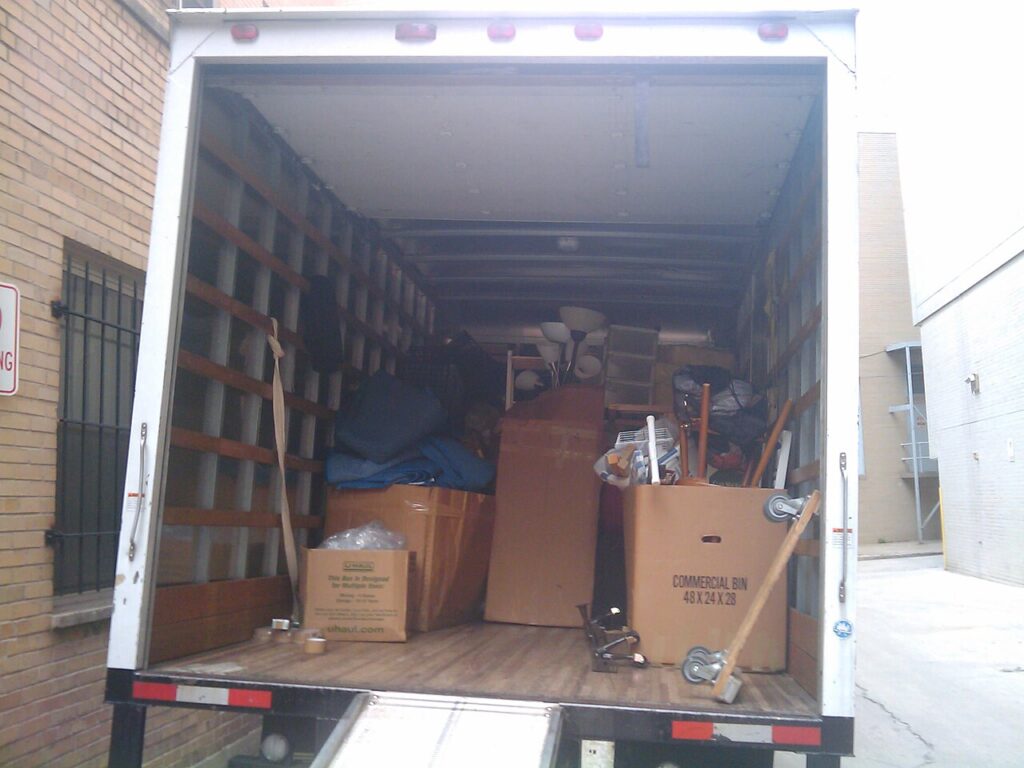
Representative photo showing the logistical challenge of organizing and protecting gear during transport and storage, mirroring the article's focus on structured equipment management. Photo: brownpau / Wikimedia Commons · CC BY 2.0. Resized for display. Sources checked October 28, 2026.

Sources & further reading
- Pelican Protective Cases. USA Made and Waterproof. ↗
- CRATE 90L | Pelican Official Store ↗
- 1300 Protector Case | Pelican Official Store ↗
Sources reviewed 2026-10-28.
Prepared for Gunfire Magazine with AI assistance from the linked source material and the publication’s editorial brief. Specifications and manufacturer claims are attributed to their original sources.