

RESEARCH-BASED PRODUCT FEATURE
Based on published manufacturer specifications. Gunfire Magazine has not physically tested this product for this article.
Applying Engineering Rigor to Your Optical Audit
As the late-October calendar marks the transition from active field use to the post-season maintenance phase, the equipment carried into the environment requires a structured, analytical review. For the individual owner, the most effective way to approach this audit is not through casual observation, but by adopting the same rigorous testing standards that manufacturers use to validate their designs. By understanding how professional optics are built to withstand environmental and mechanical stress, you can better identify the specific points where your own gear may require attention, cleaning, or professional servicing.
Manufacturers often subject their optics to extreme testing protocols that mirror the harsh realities of field use. For example, Trijicon utilizes what they term “Alaska-to-Africa” temperature shock tests, which cycle equipment between -20°F and 140°F. This specific testing methodology is designed to ensure that the seals and housing integrity can withstand rapid environmental transitions without internal fogging or structural failure. You can read more about these engineering standards at https://www.trijicon.com/our-story/the-science-of-brilliant/. When performing your own post-trip inspection, look for signs of moisture or fogging within the lens elements, which can indicate that the dry-nitrogen filling has been compromised. If you are preparing your gear for the remainder of the season, consider the insights provided in Late-Autumn Optics: A Technical Review of Your Setup to ensure your equipment is ready for the current conditions.
The Mechanics of the Mount
Reliability is not solely defined by the glass within the optic; it is fundamentally supported by the mounting system. The interface between the firearm and the optic is a critical junction that experiences significant vibrational stress during every outing. Advanced mounting systems, such as those featuring Trijicon Q-LOC technology, utilize 6061-T6 aluminum and spring-loaded designs to maintain retention and a repeatable zero. These systems are often tested to MIL-STD-810H standards, which confirm that the mount can withstand shock and vibration without performance degradation. You can review the design principles behind these systems at https://www.trijicon.com/quick-release-mounts-with-trijicon-q-loc-technology. When evaluating your own setup, check for any movement in the mount or signs of wear on the rail engagement points. A mount that has been subjected to repeated recoil—or the occasional accidental impact—should be verified for its return-to-zero capability. This is a crucial step in the maintenance process that is often overlooked until a shift in point of impact occurs. For a deeper look at keeping your gear in top condition throughout the season, refer to Autumn Maintenance: A Seasonal Protocol for Gear Longevity.
Defining the Legacy of Your Optics
The longevity of an optic is often a reflection of the craftsmanship and the design philosophy behind it. High-quality optics are frequently built to last for more than one generation, highlighting a commitment to craftsmanship that transcends simple product lifecycles. This perspective suggests that an optic is not merely a consumable item but an investment in equipment that can be maintained and passed down. When you evaluate your collection, consider the history of each piece—how it has been stored, how it has been transported, and how often it has been serviced. The “Solid Zero” test, where an optic is measured for reticle shift after thousands of rounds, serves as a benchmark for what you should expect from your own equipment. If your optic is showing signs of age, such as stiff adjustment turrets or fading illumination, it may be time to consult the manufacturer’s service guidelines rather than attempting cosmetic or mechanical repairs yourself. By treating your optics as precision instruments that require periodic professional assessment, you ensure that they remain reliable partners for your future seasons, rather than just tools for the current one.
Systematic Documentation
A successful audit is not complete without documentation. Just as manufacturers maintain detailed records of their testing procedures, you should maintain a log for your optics. This log should include the date of the last zero verification, any adjustments made to the mounting system, and notes on environmental conditions encountered during the season. This history provides valuable context if you ever need to contact a manufacturer for support or service. If you notice persistent issues, such as a lack of clarity in the field or difficulty in maintaining a consistent point of impact, these records will help you provide the manufacturer with the necessary information to resolve the issue effectively. Ultimately, the goal of this seasonal audit is to replace uncertainty with data, ensuring that your equipment is ready for the next cycle, regardless of the conditions you encounter.
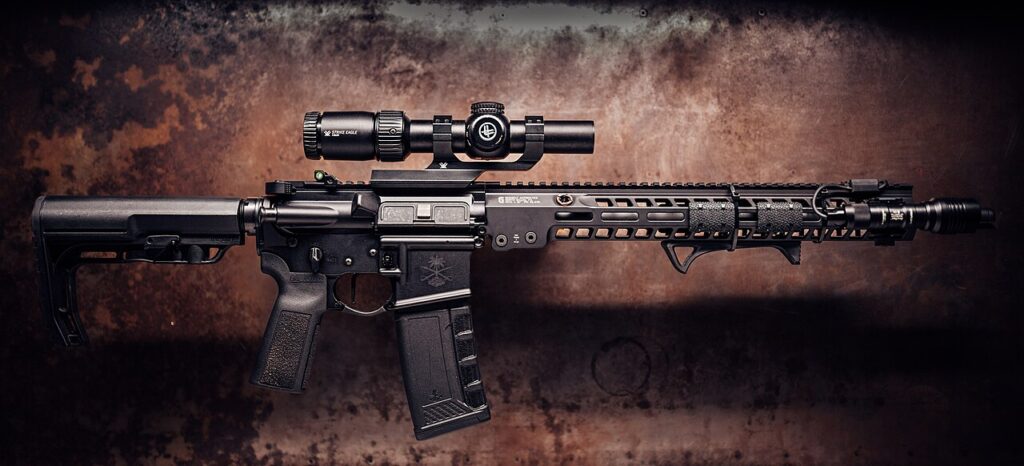
Representative photo showing a modern rifle optic setup, illustrating the type of precision equipment that benefits from a structured seasonal maintenance and audit protocol. Photo: Bradley Lanphear for CAT Outdoors / Wikimedia Commons · CC BY-SA 4.0. Resized for display. Sources checked October 27, 2026.

Sources & further reading
- The Science of Brilliant® | Trijicon® | Trijicon® ↗
- Quick Release Mounts with Trijicon Q-LOC™ Technology | Trijicon® ↗
Sources reviewed 2026-10-27.
Prepared for Gunfire Magazine with AI assistance from the linked source material and the publication’s editorial brief. Specifications and manufacturer claims are attributed to their original sources.