

Reference feature. Source checked October 13, 2026.
Springfield Armory’s wartime story cannot be told only through its finished products. The National Park Service reports that women made up 45 percent of the workforce at the armory’s wartime peak: 5,210 workers. Its account connects their contribution to an expanded production effort during World War II and to the factory’s existing mechanization and division of labor. National Park Service Woman Ordnance Workers history.
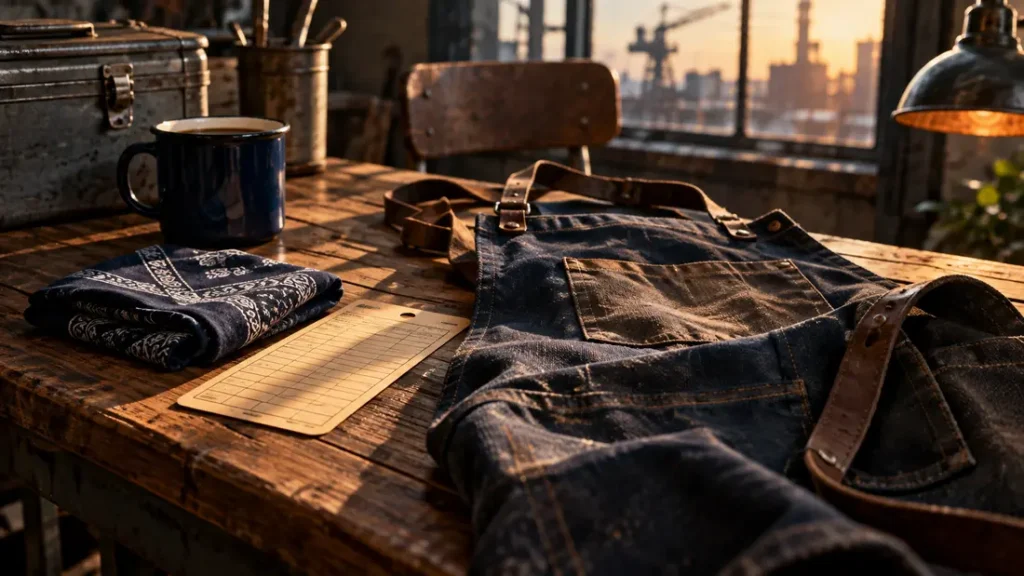
The War Department’s Woman Ordnance Worker program gave that work a public identity through posters, badges, hats and bandanas. The park also notes a practical role for hair coverings around moving machinery. These surviving objects carry evidence of both workplace needs and the effort to give workers a sense of participation in the larger war effort.
A labor-centered approach changes what deserves attention in a firearms history display. A photograph of a production line, a time record or an employee publication may reveal an aspect of the story that a firearm alone cannot. The object remains important, but it becomes one part of a network of people, schedules, tools and institutional decisions.
Readers researching a family connection should begin with names, dates and the institution that holds the relevant records. Avoid assuming that a uniform or factory setting identifies an individual’s precise duties. Our editorial view is that the strongest personal histories distinguish documented work from family recollection while preserving both. Giving workers their own place in the narrative makes the history more specific and more human, and it helps resist the easy habit of crediting every industrial achievement to a single inventor.
Continue reading Firearms History. See our editorial standards for sourcing and image disclosures.
Related reading: John Garand’s Career Before and Beyond the M1.
Sources & further reading
Original source publication: 2023-03-25.
Sources reviewed 2026-10-13.
Prepared for Gunfire Magazine with AI assistance from the linked source material and the publication’s editorial brief. This piece does not claim original interviews, on-site reporting or hands-on product testing.