

The Seasonal Pivot in Industry Operations
For those operating within the firearms and outdoor industry, the late-October calendar serves as a critical hinge point. As the field season wanes and the focus shifts toward indoor events, trade shows, and end-of-year reporting, the operational tempo changes. This transition is not merely about changing dates on a calendar; it is a fundamental shift in how organizations prioritize resources. Successful entities are currently moving from the execution of active, outdoor-focused events to the meticulous planning required for the upcoming year.
This shift is clearly visible in the organizational updates from major institutions. For instance, the Civilian Marksmanship Program (CMP) has recently outlined a significant transition in its own leadership and infrastructure, signaling a long-term approach to stability. As noted in the CHAIRMAN & CEO UPDATE - FALL 2026, the organization is balancing the management of surplus inventory—such as the upcoming M14 conversion program and a specific, one-time transfer of surplus military pump-action shotguns—with massive capital investments like the Camp Perry expansion. This duality is a hallmark of a mature organization: meeting immediate market interest while simultaneously laying the groundwork for infrastructure that will serve the community for years to come. For industry professionals, this serves as a case study in balancing short-term operational demands with long-term strategic growth.
Strategic Alignment: From Events to Education
As the industry moves toward the winter trade show cycle, the focus for retailers and manufacturers shifts toward education and business development. The upcoming SHOT Show provides a natural deadline for this preparation. Exhibitors are currently in the thick of logistical planning, a process that requires attention to detail regarding directories, travel, and promotional strategies. As highlighted in the Insider: SHOT Exhibitor Planning In Full Swing report, the window for finalizing exhibitor listings and securing travel arrangements is closing rapidly, emphasizing that operational readiness is a prerequisite for a successful trade show presence.
Beyond logistics, the intellectual preparation for the year ahead is equally vital. The industry is increasingly focused on how to integrate new tools, such as artificial intelligence, without compromising professional standards. As discussed in NSSF’s AI Guide Puts Business Guardrails on the Agenda, businesses must implement clear policies to manage risks related to data security and accuracy. This proactive approach to technology is echoed in the broader commitment to professional development found in SHOT University’s 2027 Planning Shows a Broad Business-Education Agenda, which highlights a broad business-education agenda. By prioritizing these educational sessions, industry leaders are ensuring their teams are equipped to handle the complexities of a modern, data-driven retail environment.
Infrastructure and Continuity in the New Cycle
The final pillar of this year-end transition is the stabilization of partnerships and corporate governance. The industry has seen notable examples of companies streamlining their operations to focus on core strategic goals. The recent developments regarding Ruger provide a clear look at corporate governance in action. According to a Ruger News update, the company announced that regulatory conditions under its previously announced Strategic Cooperation Agreement with Beretta Holding S.A. have been satisfied. Consequently, the Board of Directors approved an amendment to the company’s shareholder rights plan, accelerating its expiration. This decision reflects a shift in corporate posture, focusing on executing long-term strategy rather than maintaining defensive measures.
This focus on continuity is essential for businesses of all sizes. Whether managing a retail store, a shooting range, or a manufacturing facility, the ability to maintain consistent operations during a leadership or strategic transition is a competitive advantage. As we close out 2026, the data suggests that the most successful organizations are those that treat this time of year as an audit of their foundational processes. From the physical infrastructure of a range to the digital policies governing AI usage, the work done in these final months sets the trajectory for the entire 2027 cycle. The goal for any professional in this space should be to enter the new year with a clear, documented plan that aligns with the broader industry trends of professionalization, infrastructure investment, and technological adaptation.
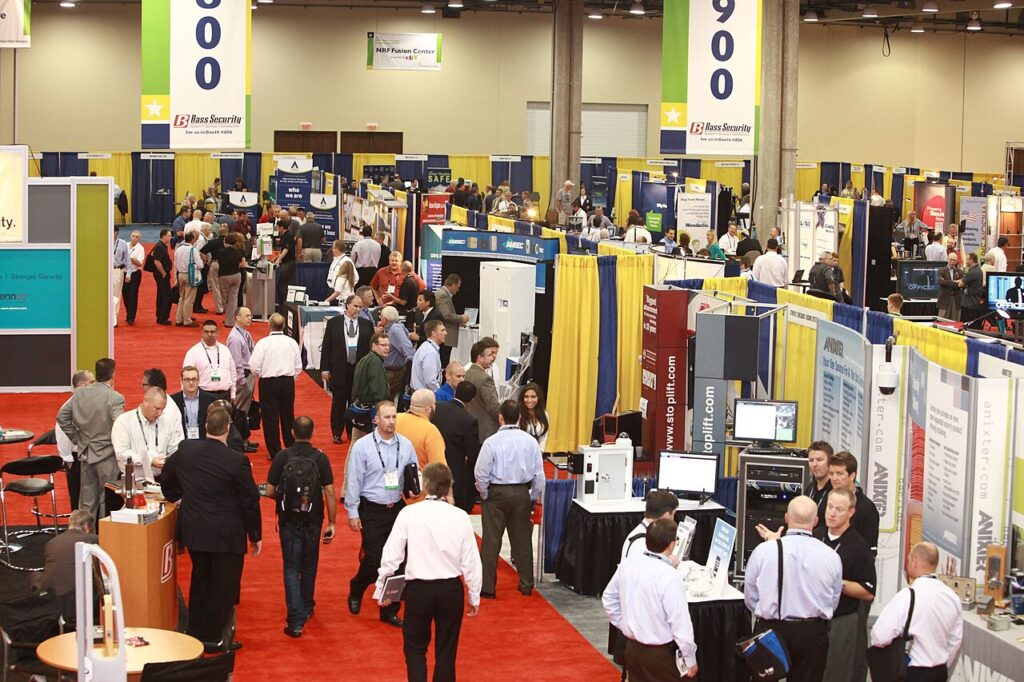
Representative photo. The bustling activity of a trade show floor illustrates the industry's shift toward the winter event cycle, where professionals prioritize networking, business development, and strategic planning for the upcoming year. Photo: NRF / Wikimedia Commons · CC BY-SA 2.0. Resized for display. Sources checked October 26, 2026.

Sources & further reading
- CHAIRMAN & CEO UPDATE - FALL 2026 - Civilian Marksmanship Program ↗
- Insider: SHOT Exhibitor Planning In Full Swing | NSSF SHOT Show 2027 ↗
- Ruger News ↗
Sources reviewed 2026-10-25.
Prepared for Gunfire Magazine with AI assistance from the linked source material and the publication’s editorial brief. This piece does not claim original interviews, on-site reporting or hands-on product testing.