

The Administrative Shift: Managing Access and Permits
As the calendar turns toward November, the operational demands of the hunting and outdoor season change significantly. The transition from early-season conditions to the late-autumn environment requires a shift in how you approach your field logistics. Whether you are finalizing plans for a public land excursion or reviewing your storage protocols, the focus must move toward adaptability and safety. The administrative landscape of public land access has evolved, and failing to account for these changes can lead to unnecessary complications. Modern management systems often require hunters to navigate digital permit processes well in advance of their trip dates, a topic explored in depth in our article, Mastering the Administrative Logistics of Public Hunting.
Many refuges and management areas have moved their permit processes to digital platforms like Recreation.gov, fundamentally changing the logistical workflow for hunters. For example, as noted in the Okefenokee National Wildlife Refuge hunting guidelines, permit processes for specific units have shifted from paper applications to online, first-come, first-served systems. This transition underscores the importance of verifying current regulations for every specific location you intend to visit. Similarly, the Mattamuskeet National Wildlife Refuge hunting protocols involve specific lottery systems for waterfowl, where permits are issued and blinds are assigned. Do not assume that last year’s procedure remains the standard; always study the current regulations, match the permit to the visit, and confirm all requirements before you depart. Treating these administrative tasks with the same attention as your physical gear ensures that your time is spent in the field rather than troubleshooting access issues.
Environmental Readiness: Navigating Changing Conditions
The late-autumn environment presents unique environmental hazards that demand attention. As you plan your excursion, it is essential to account for the physical reality of the terrain and the potential for changing weather conditions. According to the Forest Service's guidance on recreating outdoors, successful outings begin with a clear plan that accounts for terrain, weather, and emergency preparedness. One often overlooked hazard is the presence of "hazard trees." Falling trees and branches are an ever-present risk in forested areas, particularly as trees lose their structural integrity due to age, rot, or storm damage. When selecting a campsite or parking your vehicle, avoid dense patches of dead trees and look up for broken limbs or tops.
The Forest Service advises that you should not stand or camp under leaning or dead trees, and you should park close to a main road rather than on a spur or one-way section to avoid being trapped if a hazard tree falls across your path. Furthermore, the environment itself requires stewardship. The "Pack It In, Pack It Out" principle remains the cornerstone of ethical outdoor recreation. This extends to the waste we leave behind, including fishing line, food wrappers, and even cigarette butts. When disposing of waste, such as human or animal waste, ensure it is buried 6 to 8 inches deep and at least 100 feet away from natural water sources. These practices are not just suggestions; they are the baseline for maintaining access to the public lands we utilize. By integrating these safety and stewardship protocols into your routine, you ensure that the outdoor tradition remains sustainable for the future.
The Safety Protocol: From Planning to Execution
Beyond the permit and the environmental check, your safety protocol must include a robust communication plan. The Forest Service emphasizes that having a positive mental attitude is a survival tool, but that attitude is bolstered by the confidence that comes from proper preparation—knowing you have the right gear, a map, a compass, and a plan to tell someone where you are going. This is not merely about equipment; it is about establishing a repeatable administrative process for your time in the field. As discussed in The Trip Plan That Belongs Beside Your Hunting Checklist, the simple act of leaving a detailed itinerary with a trusted contact can be the difference between a minor incident and a critical emergency.
Your safety plan should also account for the specific needs of your group. If you are hiking or hunting with children, ensure they are aware of their responsibilities, such as staying near camp and understanding international distress signals. If you are accompanied by a dog, ensure it is wearing high-visibility gear. Furthermore, maintain an awareness of your physical state. Dehydration is a risk even in cooler weather, and hypothermia is the leading killer of people who recreate outdoors, often aggravated by cold, wetness, and exhaustion. By proactively managing your hydration, layering your clothing, and keeping high-energy foods accessible, you mitigate these risks. Finally, when you visit national parks and other public lands, remember to follow the guidance provided by the National Park Service regarding responsible recreation. This includes checking the status of the area you want to visit for closures, fire restrictions, and weather reports. By aligning your personal preparation with these established institutional guidelines, you create a layer of safety that protects not only yourself but also the resources you enjoy.
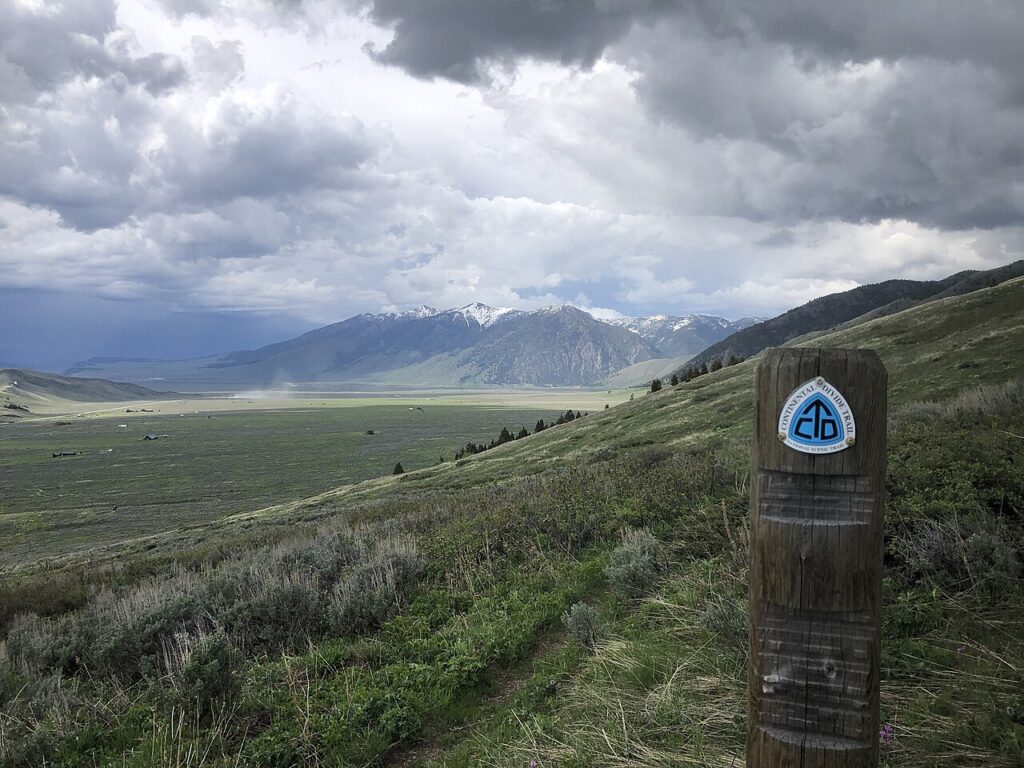
Representative photo illustrating the vast, managed public lands that require careful logistical planning and adherence to administrative protocols before arrival. Photo: Forest Service - Northern Region / Wikimedia Commons · Public domain. Resized for display. Sources checked October 28, 2026.

Sources & further reading
- Intermountain Region | Recreating Outdoors: Planning, Hiking, Hunting, Fishing, Equestrian | Forest Service ↗
- Hunting at Okefenokee National Wildlife Refuge | FWS.gov ↗
- Hunting at Mattamuskeet National Wildlife Refuge | FWS.gov ↗
- Recreate Responsibly (U.S. National Park Service) ↗
Sources reviewed 2026-10-28.
Prepared for Gunfire Magazine with AI assistance from the linked source material and the publication’s editorial brief. This piece does not claim original interviews, on-site reporting or hands-on product testing.