

The Logistics of the Late-Autumn Show Circuit
As the calendar shifts from October into November 2026, the regional gun show circuit remains active, offering a consistent schedule of events across the southern United States. For attendees, this period represents a transition in both the operational environment and the logistical requirements of visiting a show. Whether you are planning to attend an event in the Texas circuit or exploring the Florida schedule, the quality of your experience is largely determined by the administrative preparation you undertake before leaving home. Understanding the nuances of different venues and the specific policies of show organizers is essential for a productive and efficient visit.
The current schedule highlights the importance of localized research. For those tracking the Texas circuit, the American Gun Shows calendar identifies upcoming opportunities, such as the Lewisville event at the NTX Arena, which is scheduled for October 31–November 1. Meanwhile, the Florida landscape remains equally active, with the Florida Gun Shows circuit listing events like the Miami Gun Show at the Miami Dade Fairgrounds & Exposition, set for November 7–8. Because these events take place in diverse settings—ranging from convention centers to regional fairgrounds—the logistical footprint of each visit can vary significantly. By utilizing the official organizer websites, such as Florida Gun Shows and American Gun Shows, attendees can access the most current information regarding dates, locations, and site-specific policies.
Administrative Readiness: Gate Logistics and Policies
One of the most frequent points of friction at any event is the arrival and entry process. Administrative readiness involves more than simply knowing the date; it requires an understanding of the gate policies that govern entry. For instance, the American Gun Shows listings explicitly note that their events often operate with a cash-only policy at the gate. Arriving with the correct form of payment is a simple but vital step that can prevent delays during peak attendance hours. Furthermore, these listings often include specific details regarding entry for different groups, such as free admission for the first 50 veterans or military personnel, and policies regarding age restrictions, typically stating that individuals under 18 must be accompanied by a parent or guardian.
These details are not merely administrative formalities; they are critical components of a successful trip plan. Just as we emphasize in The Trip Plan That Belongs Beside Your Hunting Checklist, documenting your logistics—including your route, your budget for admission, and your planned arrival time—allows you to focus your attention on the event floor rather than on resolving entry issues. When you approach a gun show with the same level of preparation you would apply to a field outing, you minimize the potential for frustration and maximize your time at the venue.
Integrating Education and Safety into the Visit
Beyond the exhibition floor, many gun shows offer structured educational opportunities that can add significant value to your visit. For example, the Florida Gun Shows circuit consistently integrates concealed weapon permit courses into its weekend schedule, with classes typically held at 11:00 AM and 2:00 PM. These sessions provide an opportunity for attendees to engage with experienced instructors in a formal setting. Because these classes are often offered on a first-come, first-served basis, arriving early to secure a seat is a practical strategy for those who intend to participate. This proactive approach to education is a hallmark of responsible ownership and demonstrates the value of seeking out structured learning environments.
Finally, consider the logistical needs of your entire party if you are attending as a group. A gun show environment can be busy, and the sensory experience of a crowded venue is different from a range or a retail store. As discussed in Hearing Protection Belongs in the Spectator Plan, Too, it is important to consider the gear and comfort requirements for everyone in your party, especially when planning to spend several hours on the floor. Whether you are navigating the larger shows at the Miami Dade Fairgrounds & Exposition or attending a local event in Texas, the key to a successful visit lies in the details. By reviewing the organizer's published information regarding parking, admission, and class schedules, you can ensure that your late-autumn event attendance is both organized and productive.
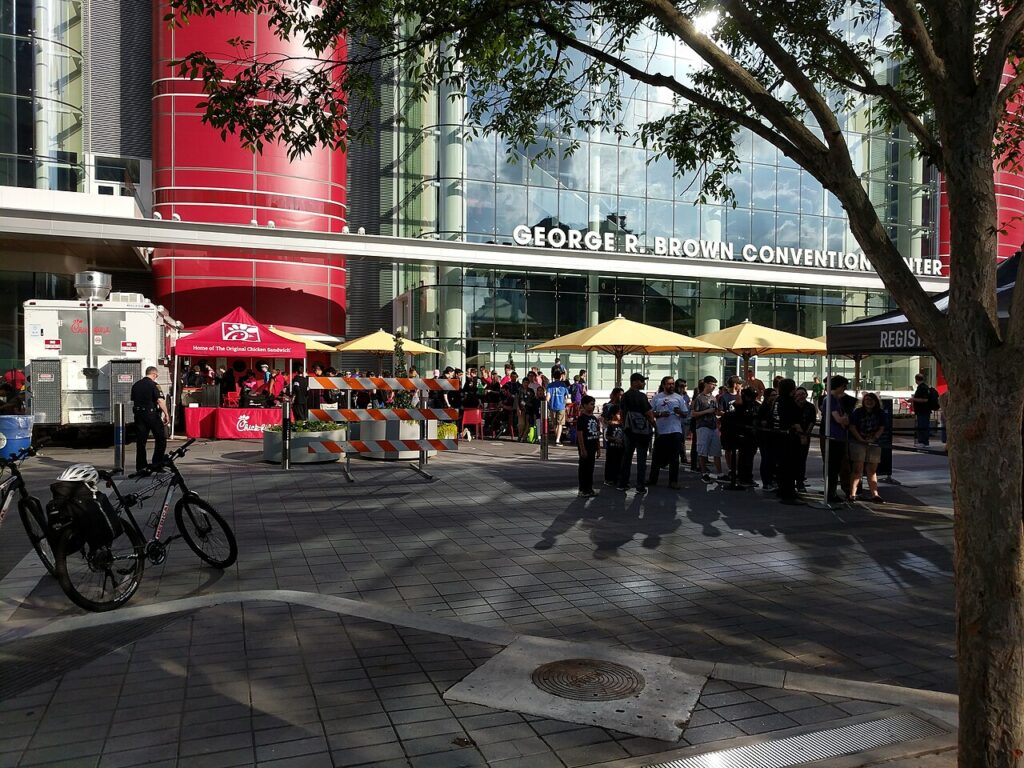
Representative photo showing a large convention center venue, illustrating the type of facility where regional show circuits are typically hosted. Photo: Leijurv / Wikimedia Commons · CC BY-SA 4.0. Resized for display. Sources checked October 24, 2026.

Sources & further reading
- Florida Gun Shows | The largest gun show in Florida ↗
- 2026 | Austin - Leander & Taylor | DFW Dallas, Fort Worth, Lewisville & Waxahachie | San Antonio Floresville | Temple . American Gun Show ↗
Sources reviewed 2026-10-24.
Prepared for Gunfire Magazine with AI assistance from the linked source material and the publication’s editorial brief. This piece does not claim original interviews, on-site reporting or hands-on product testing.