

Investing in Human Capital and Long-Term Development
As the calendar turns toward November, the shooting sports industry often shifts from the immediate demands of active range seasons to long-term planning and institutional development. This period offers a unique opportunity to examine the structural investments being made to support the next generation of marksmen and women. The Civilian Marksmanship Program (CMP) recently demonstrated this commitment by significantly restructuring its scholarship offerings. According to the CMP Awards Over $1 Million in Scholarships for 2026-2027 School Year, the organization awarded over $1 million to graduated seniors in 2026. This initiative is notable not only for the total financial support but for the strategic shift in how that support is delivered. By discontinuing the one-year $1,000 scholarships and transitioning to tiered awards ranging from $3,000 to $40,000, the CMP is creating more substantial pathways for students pursuing post-secondary, vocational, or university education.
This financial support is part of a broader ecosystem of youth development that includes 4-H programs, JROTC, and junior shooting clubs. The criteria for these awards—which emphasize merit, humanitarian efforts, and marksmanship participation—suggest that the industry views the development of a "scholar marksman" as a holistic endeavor. It is not merely about performance on the firing line, but about fostering leadership, responsibility, and discipline. The expansion of these programs coincides with physical infrastructure growth, such as the major project underway at Camp Perry. As detailed in CMP Breaks Ground on Facility to Strengthen Marksmanship Training and Athlete Development, the new facility is designed to support athletes from their first match to elite international competition. This construction, projected for completion by December 2027, includes 32 firing points and expanded air gun capacity, signaling that the industry is preparing for a future where both the human and physical infrastructure are robust enough to sustain long-term growth.
The Infrastructure of Public Access
While youth development programs build the future, the maintenance of existing public ranges ensures that the sport remains accessible to current participants. The model of range management in the United States often relies on a complex partnership between federal excise taxes and state-level management. The Great Swamp Shooting Range in Rhode Island serves as a primary example of how these partnerships function. As noted in the report on the Great Swamp Shooting Range, the facility underwent a major renovation in 2018, supported by Pittman-Robertson federal excise tax funds. This funding mechanism, which channels taxes from the sale of firearms, ammunition, and archery equipment back into conservation and public access, is the backbone of many public facilities.
The renovation of the Great Swamp range, which included redesigned benches, baffles, and solar energy upgrades, illustrates that public ranges are not static assets; they require consistent reinvestment to remain safe, environmentally friendly, and functional. This is a critical point for industry observers: the viability of shooting sports is directly tied to the availability of places to practice. When ranges are modernized, they do more than just provide a place to shoot; they provide an "outdoor classroom" for safety training and skill development. This aligns with the broader industry goal of encouraging responsible recreation, as discussed in our catalog piece, Public lands. Shared responsibility. By ensuring that public ranges are well-maintained and accessible, the industry creates a sustainable environment where new and experienced shooters alike can continue their engagement with the sport.
Persistent Safety Communication
Beyond physical infrastructure and financial support, the industry’s commitment to safety remains a continuous, year-round operational priority. The NSSF’s "Gun Storage Check Week," which concluded in early September 2026, was not intended to be a singular event, but rather a catalyst for ongoing engagement. According to the NSSF report on the conclusion of Gun Storage Check Week, the "Make Sure It’s Secure" message is paramount during National Suicide Prevention Month, yet the organization emphasizes that the conversation surrounding secure storage is a permanent endeavor. This perspective is vital for understanding industry priorities: safety is not a seasonal checkbox but a persistent responsibility.
The NSSF’s approach highlights the necessity of providing resources that fit a variety of lifestyles and use cases. By maintaining the GunStorageCheck.org resource, the industry ensures that information regarding storage options remains available to gun owners long after the awareness campaign has ended. This transition from a specific "week" of focus to a "year-round" mindset mirrors the broader industry trend toward proactive, education-based safety initiatives. As we have noted in previous coverage, Responsible ownership starts at home., the responsibility to evaluate storage practices rests with the individual, but the industry’s role is to provide the data, resources, and reminders necessary to facilitate that evaluation. Whether through the promotion of specific storage technologies or the dissemination of safety best practices, the industry is increasingly focused on the intersection of ownership and security. This ongoing dialogue serves as a reminder that as the seasons change and range usage patterns shift, the fundamental commitment to secure storage and responsible handling must remain constant.
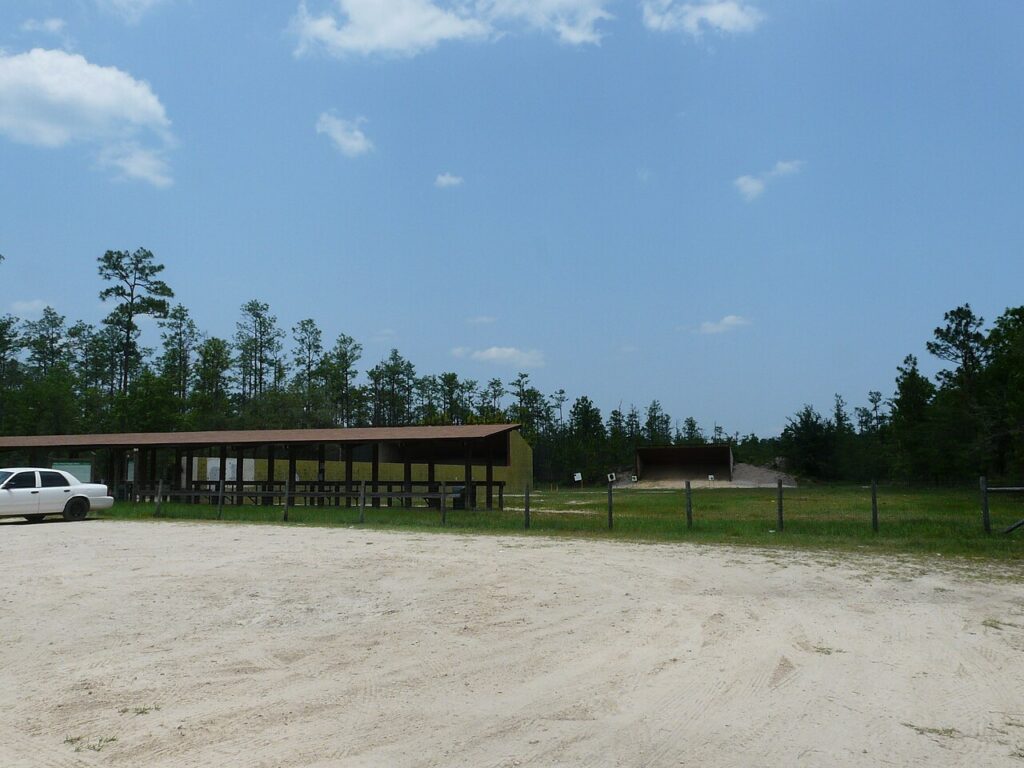
Representative photo of a public shooting range, highlighting the essential infrastructure that supports shooting sports access and skill development. Photo: The Bushranger / Wikimedia Commons · CC BY-SA 4.0. Resized for display. Sources checked October 24, 2026.

Sources & further reading
- CMP Awards Over $1 Million in Scholarships for 2026-2027 School Year ↗
- CMP Breaks Ground on Facility to Strengthen Marksmanship Training and Athlete Development ↗
- Great Swamp Shooting Range: Rhode Island's Only Free Public Shooting Range ↗
- NSSF Marks Successful Conclusion to Gun Storage Check Week ↗
Sources reviewed 2026-10-24.
Prepared for Gunfire Magazine with AI assistance from the linked source material and the publication’s editorial brief. This piece does not claim original interviews, on-site reporting or hands-on product testing.