

Translating Data into Executive Action
In the current operating environment, shooting range owners and industry professionals are inundated with more information than ever before. From point-of-sale metrics to membership retention figures, the volume of available data can often obscure the path forward rather than illuminate it. As noted in recent industry reporting, the challenge for leadership is not the acquisition of data, but the conversion of that data into executive intelligence. According to research presented by Richard Abramson, simply tracking numbers without a structured management framework can leave leadership with unresolved questions about what to do next. A dashboard may accurately describe the business, but it rarely identifies the specific decision that requires immediate attention.
To navigate this, a disciplined approach is required. A five-part information-to-action loop involves confirming the trustworthiness of the data, adding relevant context, selecting one or two high-impact actions, assigning clear ownership of outcomes, and establishing rigorous follow-through. This process allows managers to move beyond reactive reporting. When leadership treats information as the starting point for a decision rather than the end of a reporting cycle, they build a more resilient organization. This distinction is critical when interpreting broader trends, much like the caution required when reading recreation surveys, which can provide valuable insights but are often limited by their scope and methodology, as discussed in Reading Recreation Surveys Carefully. By focusing on both lagging indicators, such as net income, and leading indicators, such as trial-to-member conversion rates, range operators can create a repeatable operating cadence that produces focused, measurable results.
The Legal Landscape: Advocacy and Precedent
While range operators focus on internal metrics, the external legal environment continues to present significant challenges that require active industry engagement. As of late October 2026, the National Shooting Sports Foundation (NSSF) is actively challenging state-level restrictions that infringe upon the Second Amendment rights of law-abiding citizens. Specifically, the NSSF has filed a motion for a preliminary injunction to block the enforcement of New Mexico’s seven-day waiting period law. As detailed in the NSSF report, NSSF Seeks Injunction to Block New Mexico’s Seven-Day Waiting Period Law While Being Challenged, the NSSF contends that this law infringes on the rights of individuals who have already passed a federally mandated National Instant Criminal Background Check System (NICS) check. This legal action follows a previous Tenth Circuit ruling that found similar waiting periods unconstitutional as applied to those who have received a "proceed" from the NICS.
Simultaneously, the industry is monitoring developments in Hawaii, where the state Supreme Court is scheduled to hear a case involving the "personhood" of two elephants at the Honolulu Zoo. This case, outlined in Hawaii Supreme Court to Hear Latest Anti-Hunting Elephant ‘Personhood’ Push, carries implications that extend far beyond zoo management. The core concern for the firearms and conservation community is that the legal theory of "personhood" for animals could be leveraged to disrupt the North American Model of Wildlife Conservation. This model relies on science-based management and regulated hunting as a conservation tool. If courts were to accept the argument that animals possess legal rights akin to human persons, it could create significant uncertainty for wildlife agencies and the funding mechanisms provided by the Pittman-Robertson Wildlife Restoration Program. The NSSF emphasizes that while humane animal care is a shared value, rewriting the legal relationship between humans and wildlife through the courts poses a threat to established conservation and property rights.
Operational Continuity Amidst External Pressures
The intersection of these two realities—the need for internal operational excellence and the necessity of external legal advocacy—defines the current industry climate. For the individual business owner or stakeholder, the key to navigating this environment is maintaining a focus on what can be controlled while remaining informed about broader legislative threats. The transition from a breaking news announcement to a fully understood, reported story is a skill that requires patience and careful analysis. As explored in From Announcement to Reported Story, understanding the context behind a headline is just as important as the headline itself.
Moving forward, the industry’s ability to remain resilient depends on this dual approach. Range owners who implement structured, decision-ready reporting loops are better positioned to weather economic fluctuations. Simultaneously, the industry’s collective support of legal advocacy ensures that the regulatory framework remains consistent with constitutional protections and established conservation models. By separating the noise of daily data from the signal of actionable intelligence, and by distinguishing between temporary legal hurdles and long-term structural threats, the industry can maintain its focus on its core mission: serving responsible citizens, promoting shooting sports, and preserving the traditions of hunting and conservation.
Primary sources
- NSSF Seeks Injunction to Block New Mexico’s Seven-Day Waiting Period Law While Being Challenged
- Hawaii Supreme Court to Hear Latest Anti-Hunting Elephant ‘Personhood’ Push
- More Data Will Not Tell You What to Do Next
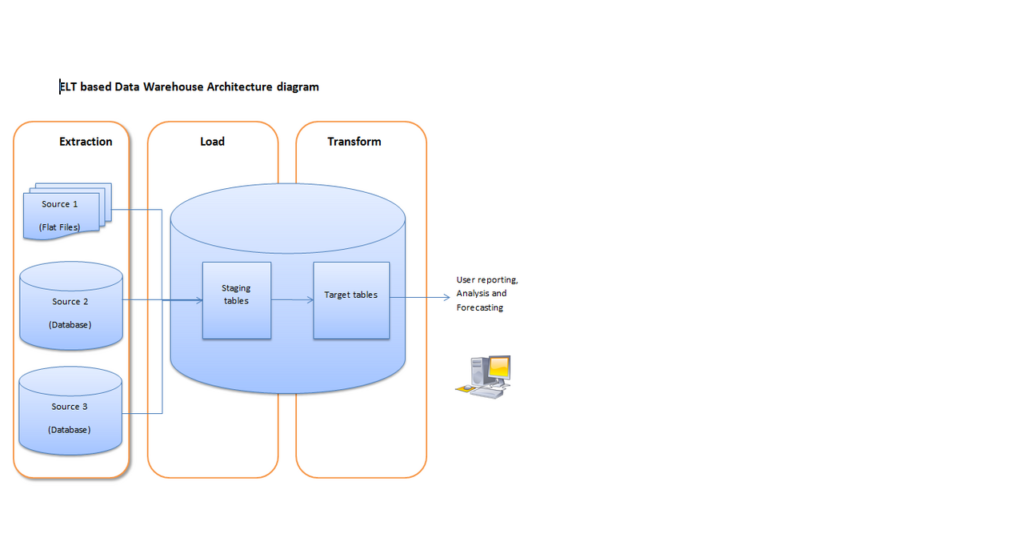
Representative photo: This diagram visualizes the structured data processing workflow, reflecting the article's emphasis on converting raw metrics into actionable executive intelligence. Photo: SudhaNandhini / Wikimedia Commons · CC BY-SA 4.0. Resized for display. Sources checked October 23, 2026.

Sources & further reading
- NSSF Seeks Injunction to Block New Mexico’s Seven-Day Waiting Period Law While Being Challenged ↗
- Hawaii Supreme Court to Hear Latest Anti-Hunting Elephant ‘Personhood’ Push ↗
- More Data Will Not Tell You What to Do Next ↗
Sources reviewed 2026-10-23.
Prepared for Gunfire Magazine with AI assistance from the linked source material and the publication’s editorial brief. This piece does not claim original interviews, on-site reporting or hands-on product testing.