
Navigating the Digital Permit Landscape
As the hunting season transitions into its late-autumn and winter phases, the administrative burden on the hunter shifts significantly. The days of simply showing up at a trailhead or refuge office with a paper permit in hand are increasingly being replaced by digital integration. For the prepared outdoorsman, this shift is not merely a change in format but a fundamental adjustment to the planning cycle. As detailed in Gunfire Magazine's exploration of administrative rigor, Mastering the Administrative Logistics of Public Hunting, the modern hunter must view permit acquisition as a critical, time-sensitive task rather than an afterthought.
Refuges and public lands are increasingly centralizing their administrative processes through platforms like Recreation.gov. For instance, the Okefenokee National Wildlife Refuge has recently transitioned its Suwannee Canal Recreation Area deer hunt permit process from a paper-based application to an online system, as noted in the official Hunting at Okefenokee National Wildlife Refuge documentation. This change underscores the necessity for hunters to stay vigilant regarding deadlines, as these digital systems often operate on a strict first-come, first-served basis or via time-limited lottery windows. When systems move online, the hunter must also account for the digital divide; while digital copies of licenses are often accepted, refuge officials remind visitors that cell service can be unreliable in remote areas, making it a best practice to download or print physical copies of all permits and licenses before leaving home.
The Architecture of a Safe Trip Plan
Administrative preparation extends well beyond the permit application. As the season progresses, environmental factors such as shorter daylight hours, fluctuating temperatures, and the potential for severe weather require a robust safety plan. The foundation of any successful outing is the trip plan, a document that should be as familiar to the hunter as their equipment list. The U.S. Forest Service emphasizes that the primary tool for survival in the wilderness is a positive mental attitude, supported by the concrete action of informing others of your itinerary, according to the Intermountain Region's guidance on recreating outdoors. This plan should include your destination, your expected time of return, and specific route information, which serves as a vital resource for search and rescue operations should they become necessary.
This planning phase is a perfect time to review the essential components of your kit. As discussed in our previous coverage, The Trip Plan That Belongs Beside Your Hunting Checklist, the act of writing down your route and contingency plans forces a level of foresight that mental checklists often miss. Beyond the itinerary, this documentation should account for specific hazards identified by land managers, such as "hazard trees"—trees with structural defects like broken tops or basal scars that are prone to failure during high winds. By integrating these safety considerations into your pre-trip administrative routine, you elevate your readiness from a reactive state to a proactive one.
Stewardship and Ethics in the Late Season
The late-season environment demands a heightened commitment to stewardship. As hunting pressure continues and winter conditions settle in, the impact of human presence on public lands becomes more pronounced. Adhering to the principles of "Recreate Responsibly" is essential for maintaining the integrity of these shared spaces. This includes rigorous adherence to "Leave No Trace" principles, which are critical when the land is already stressed by seasonal changes. Whether you are hunting, hiking, or simply observing, the responsibility to pack out all trash—including items left by less diligent visitors—is a standard expectation for all outdoor users.
Furthermore, the administrative side of hunting includes respecting the boundaries set by land managers. This means being intimately familiar with the specific regulations of the unit you are visiting, whether it is a National Wildlife Refuge or a National Forest. Regulations regarding the use of blinds, the specific dates for various game, and the requirements for sign-in and sign-out procedures are not suggestions; they are the rules that allow public hunting to remain a viable, sustainable activity. By maintaining a clean, organized administrative pipeline for your own hunting activities—keeping your permits, maps, and safety plans in a dedicated, accessible format—you contribute to the overall health and sustainability of the public land system. As you head into the final months of the year, remember that your preparation is the first step in ensuring that these lands remain open and accessible for generations to come.
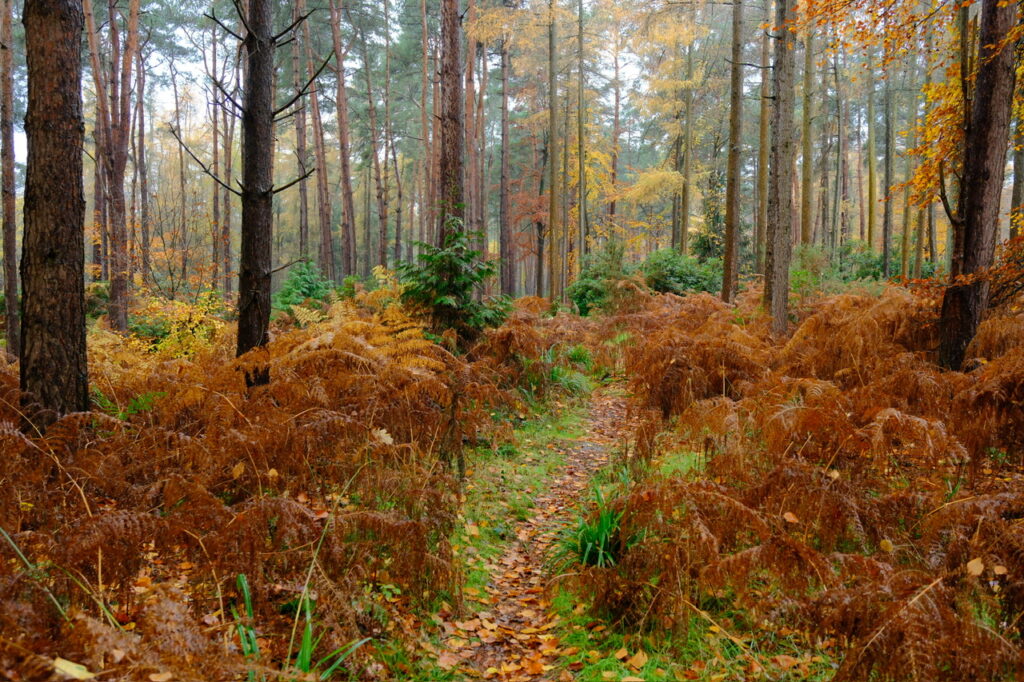
Representative photo. An autumn forest setting underscores the late-season environment where hunters must exercise caution, manage logistics, and practice responsible stewardship. Photo: Scott Wylie / Wikimedia Commons · CC BY 4.0. Resized for display. Sources checked October 28, 2026.

Sources & further reading
- Hunting at Okefenokee National Wildlife Refuge | FWS.gov ↗
- Intermountain Region | Recreating Outdoors: Planning, Hiking, Hunting, Fishing, Equestrian | Forest Service ↗
Sources reviewed 2026-10-28.
Prepared for Gunfire Magazine with AI assistance from the linked source material and the publication’s editorial brief. This piece does not claim original interviews, on-site reporting or hands-on product testing.