

RESEARCH-BASED PRODUCT FEATURE
Based on published manufacturer specifications. Gunfire Magazine has not physically tested this product for this article.
The Mechanics of Seasonal Readiness
As the late-autumn calendar shifts, the operational demands placed on your shotgun change in tandem with the environment. Whether you are moving from early-season upland fields to late-season waterfowl marshes, the shotgun in your safe is a machine that requires a periodic, systematic audit. This process goes beyond simple cleaning; it involves evaluating the fit, function, and configuration of your firearm to match the realities of the current season. Reliability in the field is rarely an accident; it is the result of applying a consistent protocol to your gear before you head out.
For owners of modern autoloaders, such as the Browning A5, the audit begins with an assessment of the firearm's current configuration. If you have spent the early season shooting a specific gauge or load, take a moment to verify that your stock adjustments—such as length of pull, cast, and drop—still align with your current clothing layers. A shotgun that fits perfectly in a thin vest may feel significantly different when you are bundled in heavy winter gear. Utilizing shim-adjustment systems, which allow for these modifications, is a practical way to maintain consistent mounting and target acquisition as temperatures drop. Ensuring that these adjustments are verified against your actual field kit, rather than your summer range attire, is a crucial step in maintaining consistent performance.
Choke Systems and Pattern Performance
Your choke tube system is perhaps the most critical variable when matching your shotgun to the demands of a specific hunt. Many shooters treat choke tubes as "set and forget" components, but a seasonal audit is the ideal time to re-evaluate your setup. The Browning Invector-DS choke tube system, for example, utilizes a specialized bronze alloy band at the base of the tube to seal out gas and fouling. This design is intended to prevent the buildup that often makes tubes difficult to remove after extended use. If your choke tubes have been in the barrel for several weeks, the audit protocol should include removing them, cleaning the threads, and inspecting the seal to ensure they remain removable and functional.
Beyond maintenance, consider the performance data behind your choices. Manufacturers often base their choke designation on actual pattern percentages on target rather than raw internal micrometer diameters. This means that when you are auditing your gear, you should be thinking in terms of the pattern density you need for the specific game and distance you are pursuing. If you are shifting from early-season upland birds to late-season waterfowl, your choke selection should be driven by the need for consistent pattern performance at your expected engagement distances. By verifying that your choke tubes are clean and correctly installed, you ensure that your shotgun is performing as designed.
The Institutional Approach to Maintenance
A comprehensive audit also addresses the long-term health of the firearm. Reliability is not just about the action; it is about the entire system. When performing your year-end or mid-season check, look for signs of wear on contact points and ensure that all moving parts are lubricated according to the manufacturer’s specifications. For those who rely on recoil-operated systems, ensuring that the mechanism is free of excessive debris is essential for maintaining the fast, reliable cycling that defines the platform.
Finally, remember that the goal of this research-based audit is to minimize variables before you reach the field. As discussed in our previous coverage regarding Autumn Maintenance: A Seasonal Protocol for Gear Longevity, treating your firearm as a piece of industrial equipment with a service life and maintenance schedule is a hallmark of responsible ownership. By checking your stock fit, verifying your choke compatibility, and performing a thorough inspection of the action, you ensure that your equipment is ready to perform when the moment of truth arrives. For more on how to integrate these checks into your broader range kit preparation, review our guide on Preparing Your Range Kit for Autumn Sessions and Storage. A well-audited shotgun is a reliable partner, capable of performing in diverse conditions, provided the operator has taken the time to align the equipment with the mission.
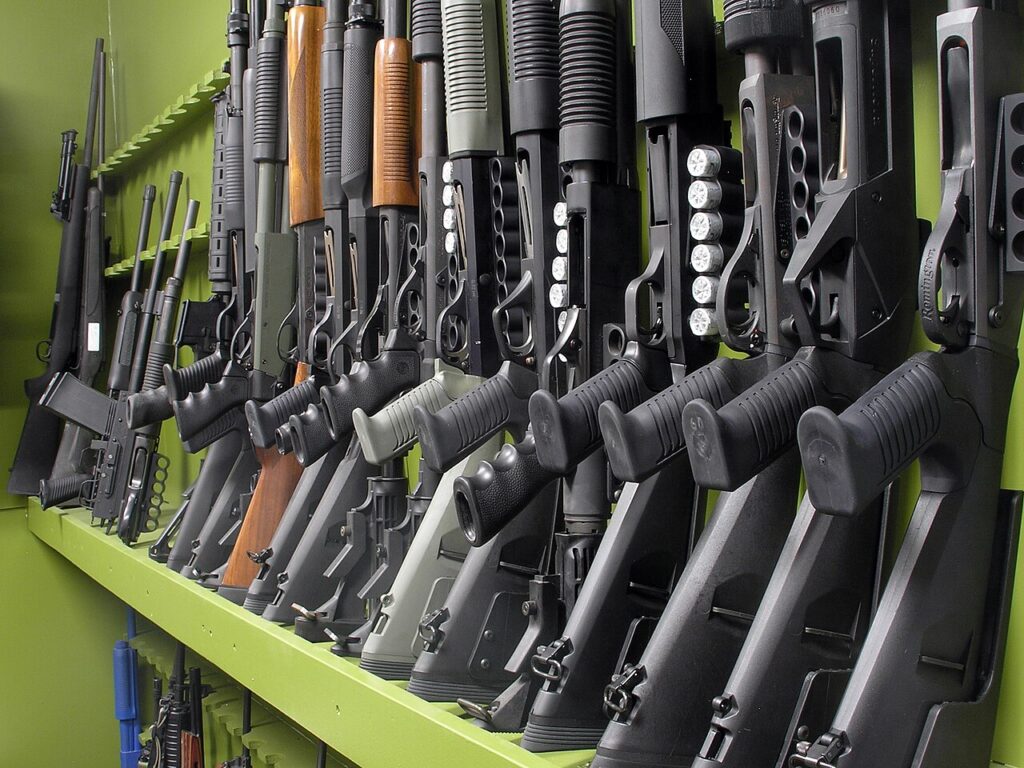
Representative photo: A rack of organized shotguns, illustrating the variety of firearms that require systematic seasonal maintenance and operational auditing. Photo: Mitch Barrie / Wikimedia Commons · CC BY-SA 2.0. Resized for display. Sources checked October 27, 2026.

Sources & further reading
Sources reviewed 2026-10-27.
Prepared for Gunfire Magazine with AI assistance from the linked source material and the publication’s editorial brief. Specifications and manufacturer claims are attributed to their original sources.