

The Anatomy of Seasonal Protection
As the autumn season progresses, the logistical demands on gear increase significantly. Whether you are traveling to a late-season range session, participating in a regional event, or preparing your equipment for long-term storage, the integrity of your protective case is a foundational element of maintenance. Protective cases like the Pelican 1170 Protector Case serve as a primary defense against environmental factors, but their effectiveness relies on consistent, proactive auditing rather than passive ownership. According to the manufacturer, these cases are designed for harsh environments, featuring automatic pressure equalization valves and watertight silicone O-ring seals, which are critical for maintaining internal conditions during temperature fluctuations (https://business.pelican.com/us)/en/product/Cases/1170). By auditing your gear before the winter cycle begins, you perform a practical administrative step that mirrors the rigor of institutional planning. Just as you might audit your range kit or storage habits—as discussed in After Gun Storage Check Week, Keep the Review on the Calendar—your protective cases require a similar level of attention. A case that has seen heavy use during the spring and summer may have accumulated dust, grit, or minor seal degradation that could compromise its performance in colder, wetter weather. This audit should include a physical inspection of the O-ring seals, latches, and the pressure valve itself, ensuring that each component remains fully operational for the coming months.
Understanding Warranty and Maintenance Scope
A significant part of the industry spotlight involves understanding the difference between a product's stated utility and its warranty coverage. When evaluating your equipment, it is useful to distinguish between "lifetime" guarantees and limited warranties. For example, Pelican’s injection-molded cases are covered by a limited lifetime warranty against breakage or defects in workmanship, but this protection is specific (https://business.pelican.com/support/guarantee-of-excellence). It does not cover the contents of the case, nor does it extend to all product lines; "Vault by Pelican" cases, for instance, carry a three-year limited warranty. Understanding these distinctions is not just about potential repairs; it is about knowing the scope of the manufacturer's commitment to the product's longevity. When conducting your seasonal audit, check the condition of O-rings and latches. If you discover damage, the warranty process usually requires documentation and a return authorization number. As noted in What an Independent Review Should Tell You, understanding the manufacturer's specific claims—and the limits of those claims—is essential for informed ownership. Always verify if your specific model is covered under a lifetime or limited term, as these distinctions determine your long-term maintenance strategy and your expectations for gear lifespan.
The Origins of Protective Logistics
To understand why specific protective standards exist, it is helpful to look at the history of the equipment. The origin of Pelican Products, for instance, was rooted in the specific needs of SCUBA divers, requiring a level of equipment protection that did not exist at the time (https://www.pelican.com/au/en/about/our-story). This focus on real-world missions drives the design of their current product line, which is now utilized across a wide spectrum of fields, including military, firefighting, and photography. This history provides context for the "over-engineered" nature of many protective cases. They are not merely storage boxes; they are designed to survive being roughed up, scuffed up, run over, kicked, thrown, submersed, and dropped. When you are auditing your own gear, you are essentially assessing how well it has held up to the standards set by its original, mission-driven design. This perspective shifts the maintenance conversation from one of "fixing a broken box" to "maintaining an active protective system."
Administrative Readiness for the Off-Season
The transition into the off-season is an ideal time to centralize your equipment records. Just as manufacturing entities maintain rigorous financial and operational records—such as those detailed in the Investor Relations portal for Sturm, Ruger & Co.—individual owners should maintain a "paper trail" for their gear. This includes keeping digital or physical copies of receipts, warranty registration documents, and manuals in a secure location. For those managing larger kits, consider the distinction between commercial and consumer needs. Pelican notes that they provide quotes for tax-exempt organizations and higher quantity purchases (https://business.pelican.com/us/en/request-quote/Cases/1170), highlighting that protective logistics are not just for individual hobbyists but are a core aspect of institutional readiness. Whether you are a range operator or an individual enthusiast, the goal is the same: ensuring that your gear remains protected, operational, and ready for the next cycle. By treating your protective cases as assets that require periodic inspection and administrative upkeep, you extend their service life and ensure that your equipment remains secure, regardless of the season.
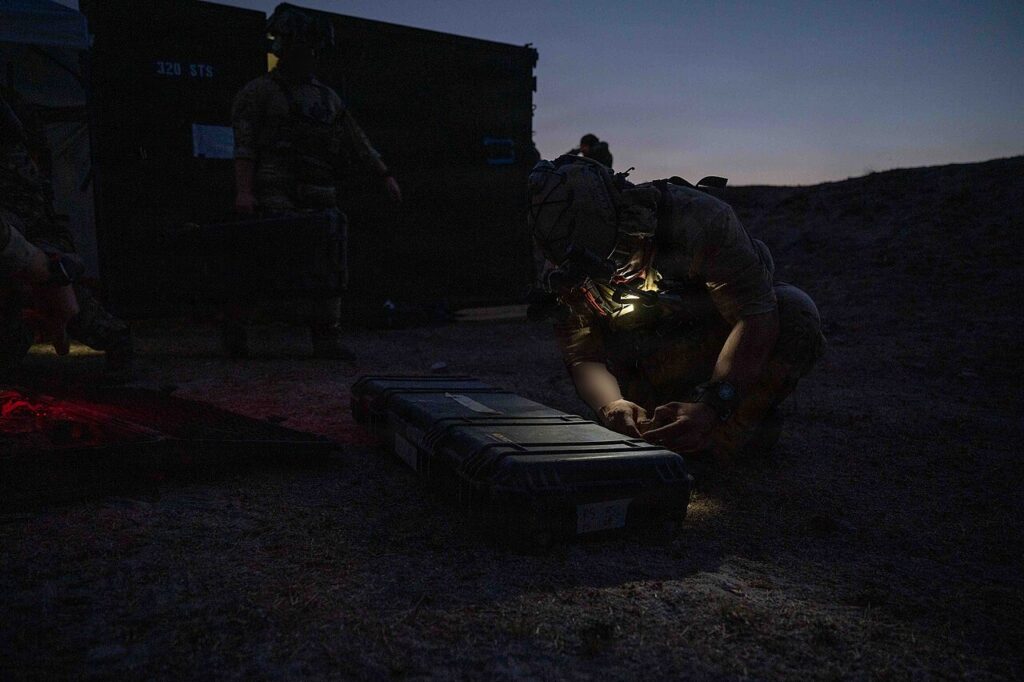
Representative photo: A soldier conducting a pre-mission check on a protective equipment case, illustrating the necessity of auditing and maintaining gear integrity. Photo: Airman 1st Class Arnet Tamayo / Wikimedia Commons · Public domain. Resized for display. Sources checked October 25, 2026.

Sources & further reading
- Pelican 1170 Protector Case ↗
- Pelican Guarantee of Excellence ↗
- Pelican Our Story ↗
- Pelican Commercial Quote Request ↗
Sources reviewed 2026-10-24.
Prepared for Gunfire Magazine with AI assistance from the linked source material and the publication’s editorial brief. This piece does not claim original interviews, on-site reporting or hands-on product testing.