

The Administrative Shift in November
As the calendar turns toward November, the operational environment for range gear shifts significantly. For enthusiasts and industry observers, this transition represents more than just a change in temperature; it requires a strategic pivot in how we approach the maintenance of our protective infrastructure. Managing equipment through the shift from autumn to winter demands a rigorous strategy for environmental mitigation. While many focus exclusively on the mechanical function of their firearms, the logistical backbone of your kit—the protective cases and storage solutions—often determines whether your equipment remains operational when you finally reach the range. As discussed in Autumn Maintenance: A Seasonal Protocol for Gear Longevity, this period is the optimal time to move from a reactive stance to a proactive maintenance cycle. By treating your storage gear with the same level of administrative rigor you apply to your firearms, you ensure that your entire kit is ready for the upcoming winter season. This administrative reset is also the ideal time to evaluate your inventory management practices. Are your cases appropriately sized for the gear they hold, and have you verified the integrity of the seals? By applying attention to detail to your protective equipment, you extend the lifespan of your entire kit. This is not merely about organization; it is about establishing a reliable system of readiness.
The Engineering of Environmental Resilience
When reviewing your current storage setup, it is vital to understand the technical specifications that define professional-grade protection. Protective cases are not merely transport vessels; they are the final line of defense against the elements. Research-based assessments of equipment longevity highlight that consistent exposure to extreme temperature ranges can impact the structural integrity of polymers and seals. According to the Pelican 1170 Protector Case specifications, equipment in this class is engineered to withstand extreme temperatures, with an operational range spanning from -40°F (-40°C) to 210°F (98.9°C). Understanding these operational limits is essential when planning your winter range sessions, especially when equipment is frequently left in vehicles or unheated storage areas during transit. Beyond temperature resistance, the design of these cases incorporates critical features for environmental control, such as automatic pressure equalization valves and watertight silicone O-ring lids. These components are designed to balance interior pressure and prevent moisture ingress during rapid temperature shifts. These technical specifications are not marketing jargon; they are vital components of maintaining equipment readiness throughout the winter months. If your current cases are showing signs of wear, such as degraded O-ring seals or stiffened latches, this is the appropriate time to initiate a maintenance cycle. The history of protective solutions, rooted in mission-critical applications like diving and field operations, emphasizes that protection is built from the ground up, starting with the materials and the design intent.
Auditing Your Storage Ecosystem
When evaluating your storage infrastructure, it is critical to distinguish between "hidden" storage and "secure" storage. A case that is merely a container provides different protection than one designed for environmental sealing and security. As explored in Out of Sight Is Not the Same as Secure Storage, the distinction is fundamental to your safety plan. A storage solution must be evaluated based on its ability to provide both environmental protection and secure containment. If your cases are showing signs of degradation, checking the manufacturer's warranty terms is a standard administrative step. As detailed in the Pelican Guarantee of Excellence, warranty coverage often hinges on proper maintenance and the absence of unauthorized alterations or misuse. This guarantee serves as a reminder that high-performance equipment is an investment that requires stewardship. The philosophy of stewardship extends to how we manage our personal armory. Just as manufacturers maintain rigorous reporting and operational standards to serve their shareholders and customers, individual owners should treat their personal equipment with a similar level of administrative rigor. Whether you are reviewing your gear to prepare for a winter trip or simply organizing your range kit for the next cycle, the goal remains the same: ensuring that your equipment is ready for the mission. This seasonal reset is a perfect opportunity to audit your protective inventory, verify that your cases are functioning as designed, and confirm that your storage solutions are up to the task of protecting your gear through the winter months. By aligning your personal logistics with the standards of the industry, you ensure that your equipment remains a reliable asset for years to come.
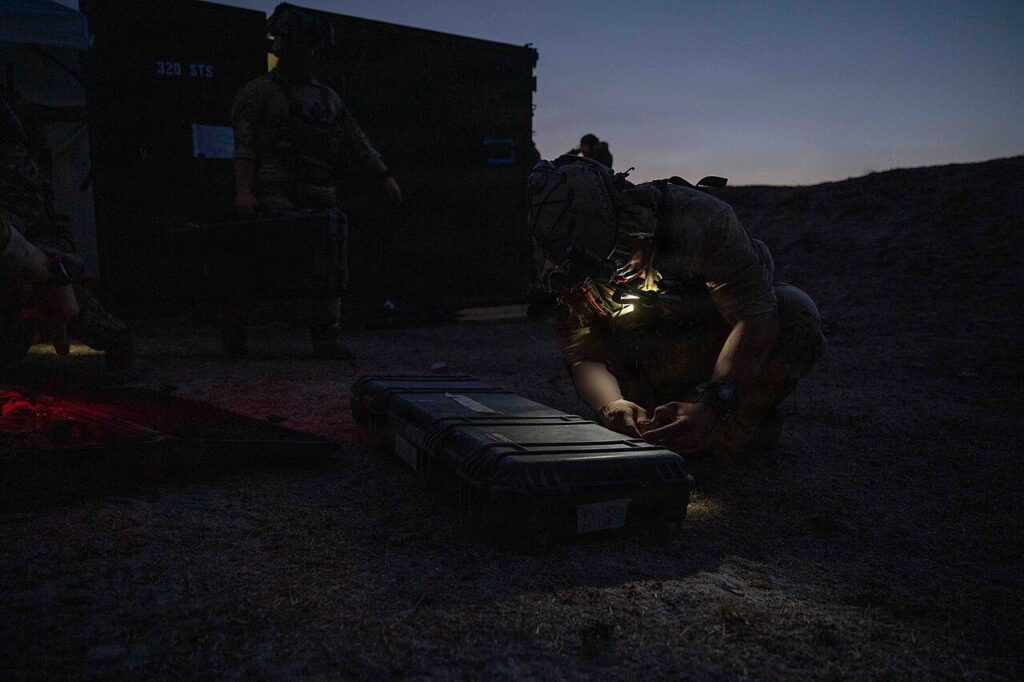
Representative photo showing the use of durable, hard-shell protective cases for field equipment, which is essential for maintaining gear integrity during seasonal transitions. Photo: Airman 1st Class Arnet Tamayo / Wikimedia Commons · Public domain. Resized for display. Sources checked October 29, 2026.

Sources & further reading
Sources reviewed 2026-10-28.
Prepared for Gunfire Magazine with AI assistance from the linked source material and the publication’s editorial brief. This piece does not claim original interviews, on-site reporting or hands-on product testing.