

RESEARCH-BASED PRODUCT FEATURE
Based on published manufacturer specifications. Gunfire Magazine has not physically tested this product for this article.
The November Operational Shift
November marks a distinct operational shift for many firearm enthusiasts. The frantic pace of the summer range circuit and the early-autumn hunting season is slowing, creating a natural window to reassess your storage infrastructure. This period, often characterized by cooler temperatures and reduced frequency of use for certain items, serves as an ideal "storage pivot." Rather than simply setting aside gear until the spring, this is the time to evaluate the ecosystem of protection you have built around your collection.
A review of your storage should be as rigorous as your review of a new optic or firearm. The goal is to move beyond the idea that storage is merely a container; instead, treat it as a critical piece of infrastructure that requires as much attention as the equipment it protects. As noted in the broader industry discussions regarding safe storage, "out of sight is not the same as secure storage." This distinction is vital when evaluating whether your current setup meets the needs of your household.
Evaluating Your Storage Infrastructure
When reviewing your storage solutions, the first step is to categorize your needs. Are you looking for long-term archival protection, or are you managing a "range kit" that sees frequent, weekly transitions? The difference in these roles dictates the type of hardware you should invest in. For those managing a compact kit that needs to move from vehicle to range, the interior dimensions and modularity of your storage matter significantly. As discussed in Pelican 1170 vs. 1200: Why Interior Shape Matters, the way your gear sits inside a case—and the space left over for accessories—can impact both the longevity of the equipment and the ease of your workflow.
As you transition into the winter months, consider the environmental factors. If you are storing items in a garage, basement, or unheated shed, moisture control becomes a primary concern. This is where the "product review" aspect of your storage audit shifts from security to preservation. A high-quality container is only as good as the environment it is placed in. Before finalizing your storage plan for the winter, ensure that your gear is not only locked but also protected from the seasonal humidity shifts that can accelerate wear. For deeper insights on keeping your equipment in peak condition during these transitions, refer to Autumn Maintenance: A Seasonal Protocol for Gear Longevity.
Integrating Safety Into Your Storage Protocol
A comprehensive storage audit must include a review of your safety practices. The National Shooting Sports Foundation (NSSF) has consistently emphasized that periodically, all gun owners should review their storage practices because people's lives change. This is the core message of the Gun Storage Check Week® campaign. While the official observance periods occur in June and September, the underlying principle—making sure firearms are secure—is a year-round necessity. Use this November window to re-verify that your storage devices are functioning correctly and that your household members are aware of the safety protocols in place.
Part of this safety review involves utilizing the resources available to you. Programs like Project ChildSafe provide extensive toolkits that help law enforcement officers, non-profit advocacy groups, and range owners share necessary resources. These resources are designed to help gun owners understand the different options for safely storing and protecting firearms when they are not in use. Whether you are a parent, a grandparent, or simply a responsible owner, having a conversation about safety is a foundational step. If your current storage setup does not facilitate easy access to safety locks or if your keys and combinations are not managed with clear, documented procedures, now is the time to update those systems.
The Administrative Side of Storage
Finally, a thorough storage audit should include an administrative component. Just as you might audit your financial records or your insurance policies, you should ensure that your firearm inventory records are up to date and physically separated from your firearms. This includes having copies of your serial numbers, purchase dates, and, where applicable, the original instruction manuals. Many manufacturers, including Sturm, Ruger & Co., provide resources for downloading these manuals online, which serves as a helpful backup if your physical copies are misplaced or damaged.
When you are organizing your storage, consider the provenance of your items. If you have older firearms or specialized gear, keeping the documentation alongside the item is a best practice. This is not just about inventory; it is about maintaining the history and the value of your assets. By combining physical security, environmental protection, and administrative rigor, you create a robust storage system that serves you throughout the year, not just during the active season. As you close out the year, take the time to ensure that your storage pivot is complete, documented, and aligned with the best practices for safety and responsibility.
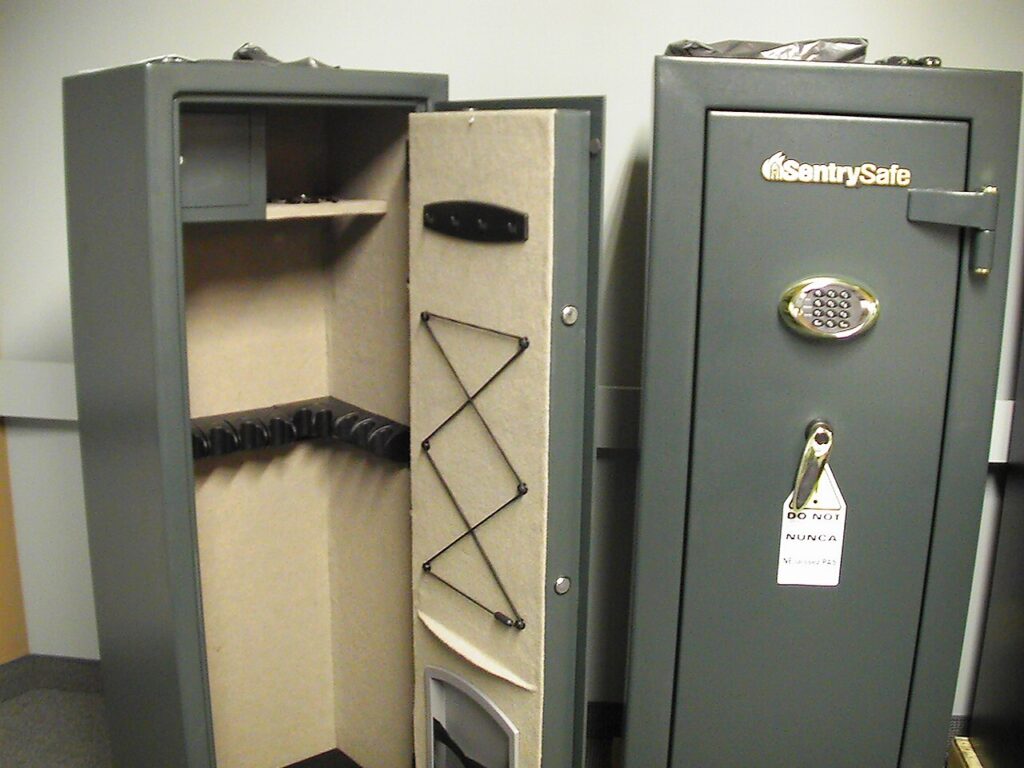
Representative photo of home firearm storage solutions, illustrating the type of infrastructure that should be audited and maintained during a seasonal gear review. Photo: User:IssueLips / Wikimedia Commons · Public domain. Resized for display. Sources checked October 30, 2026.

Sources & further reading
Sources reviewed 2026-10-30.
Prepared for Gunfire Magazine with AI assistance from the linked source material and the publication’s editorial brief. Specifications and manufacturer claims are attributed to their original sources.