

The Logistics of Selection: Evolving the National Pipeline
As the shooting sports calendar moves through late October, the rhythm of the year shifts from the high-intensity cycle of international competition to the essential, behind-the-scenes work of structural refinement. For organizations like USA Shooting, this period is characterized by the implementation of new administrative and selection protocols designed to prepare athletes for the demands of the global stage. The 2026 Fall Selection Matches, which concluded in September, serve as a primary example of this developmental focus. By returning to the historic Fort Carson range, the organization emphasized the importance of continuity, yet the introduction of updated procedures signaled a clear shift toward modernization. According to reports, this year marked the first time the organization utilized new selection procedures where scores are carried into the final, a change intended to increase the intensity of the selection process and better align domestic performance with the pressures of international competition (https://usashooting.org/usa-shooting-fall-selection-matches-set-the-stage-for-international-competition/).
This strategic adjustment to the selection process is more than a change in scoring; it is a fundamental reconfiguration of the athlete pipeline. By integrating scores from the National Championships with the Fall Selection Matches, the organization is creating a more comprehensive data set on athlete consistency. When we look at the results of the 2026 Fall Selection, we are seeing the direct application of these new administrative strategies. As we have discussed in From announcement to reported story, tracking these changes requires looking past the final scoreboard to understand the methodology behind how athletes are identified and prepared for the next qualification cycle.
Standardizing the Coaching Framework
While athlete selection captures the spotlight, the infrastructure supporting those athletes is undergoing its own rigorous development. In October 2026, the International Shooting Sport Federation (ISSF) Academy, in collaboration with the National Rifle Association of India (NRAI), launched its first-ever ISSF “A” Coaches Course in India. This event, hosted in Faridabad, brought together 30 coaches for an advanced program focused on coaching methodology, technical expertise, and high-performance development (https://www.issf-sports.org/news/5259). This initiative is a critical component of the broader effort to standardize coaching practices globally. By providing access to international expertise and modern coaching practices, the program aims to strengthen national coaching systems, ensuring that the development of technical skills is consistent with the evolving demands of the sport.
The emphasis on coach education highlights a vital reality of the shooting sports: elite performance is rarely an isolated event. It is the result of a long-term, coordinated effort between the athlete and a support system that understands the technical nuances of the discipline. This focus on the "human infrastructure"—the coaches, the officials, and the support staff—is vital. It is a concept we explored in The Human Infrastructure of Precision, which emphasizes that sustained success at the highest levels is rooted in the quality of the training environment and the depth of the knowledge shared within it. By investing in the next generation of coaches, the ISSF is ensuring that the growth of the sport is supported by a foundation of qualified professionals capable of preparing competitors for the highest levels of international competition.
Translating Development into Results
The effectiveness of these developmental systems is best measured by the outcomes seen in recent international events. The 2026 season has provided numerous data points that reflect the current state of athlete progression. For instance, Liana Amaris Cerra’s bronze medal performance at the 2026 ISSF Junior World Cup in Porpetto, Italy, demonstrated the value of providing young athletes with opportunities to handle high-pressure environments. Cerra, who battled from the final qualifying position to the podium, represents the type of athlete development that the current selection and training cycles aim to foster. Similarly, the performance of Madison Champion and Ben Hays at the 2026 World Shooting Para Sport World Championships in Changwon, South Korea, where they earned silver in the R11 Mixed Team 10m Air Rifle Prone SH2, showcased the results of consistent, high-level preparation. Their success, achieved against the largest field in World Shooting Para Sport history, underscores the importance of the training and qualification pathways that organizations like USA Shooting have established.
These results, while distinct, are connected by the underlying infrastructure that makes them possible. Whether it is a junior athlete gaining experience in Italy or a veteran pair setting Americas records in South Korea, the common denominator is a system that emphasizes preparation, standardized training, and a clear pathway to competition. As the 2026 season closes, the focus remains on these foundational elements. The work being done today—in coaching courses, in selection matches, and in the daily training routines of athletes—is the architecture upon which the successes of the 2027 and 2028 cycles will be built. For the observer of shooting sports, the off-season is not a period of inactivity, but rather the most critical phase for the structural work that defines the future of the discipline.
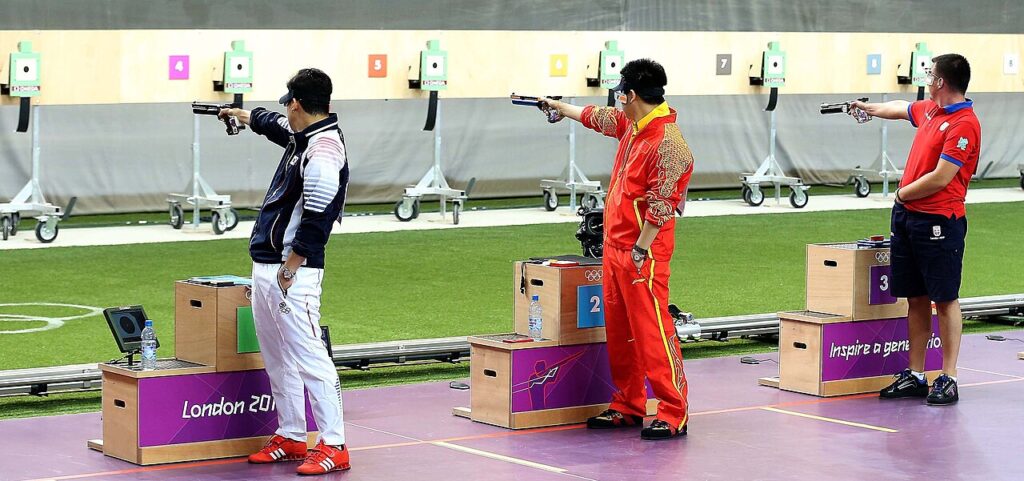
Representative photo showing athletes at a firing line, illustrating the high-level competition and disciplined environment central to the sport's development. Photo: Korea.net / Korean Culture and Information Service (Korean Olympic Committee) / Wikimedia Commons · CC BY-SA 2.0. Resized for display. Sources checked October 27, 2026.

Sources & further reading
- USA Shooting Fall Selection Matches Set the Stage for International Competition ↗
- ISSF “A” Coaches Course opens in India for the first time ↗
Sources reviewed 2026-10-27.
Prepared for Gunfire Magazine with AI assistance from the linked source material and the publication’s editorial brief. This piece does not claim original interviews, on-site reporting or hands-on product testing.