

RESEARCH-BASED PRODUCT FEATURE
Based on published manufacturer specifications. Gunfire Magazine has not physically tested this product for this article.
The Seasonal Pivot in Gear Administration
As the calendar turns toward November, the operational environment for shooting sports undergoes a significant transition. The shift from the high-activity, warmer days of early autumn to the cooling, often damp conditions of late fall requires more than just a change in outdoor attire; it necessitates a comprehensive administrative audit of your range kit. Equipment that performs reliably in the heat of August often behaves differently as temperatures drop, and the humidity levels common in this seasonal transition can introduce unexpected challenges for sensitive electronic gear and storage containers alike. Conducting a deliberate review of your equipment now, rather than in the field, is a foundational step in maintaining operational readiness throughout the winter months.
This period of the year is an ideal time to move from reactive gear usage to a proactive, scheduled maintenance routine. By assessing the state of your hearing protection and the integrity of your storage solutions before the onset of extreme winter conditions, you remove unnecessary variables from your upcoming range sessions or hunting trips. This administrative diligence is part of a broader, responsible approach to ownership, as discussed in our previously published guide, https://www.gunfiremagazine.com/secure-storage-hidden-is-not-locked/.
The Administrative Side of Hearing Protection
One of the primary considerations during this seasonal shift is the impact of temperature on battery-operated devices. Electronic hearing protection relies on consistent power to manage sound-activated compression and digital amplification. Cold temperatures are known to reduce the effective capacity of batteries, meaning that a set of muffs or earbuds that provided reliable runtime in the summer may see a noticeable drop as the mercury falls. Research-based specifications for equipment like the Walker's Suppressor Bluetooth Earbuds indicate that these devices utilize advanced features such as Sound Activated Compression (SAC) and Bluetooth connectivity, which require sustained power to function effectively in various environments. You can review the technical specifications for these devices at https://www.walkersgameear.com/suppressor-earbuds/.
Beyond power management, the physical interface of your hearing protection is critical. As you audit your kit, check the physical condition of ear pads, seals, and tips. For earbuds, components like locking fins and silicone foam tips are designed to maintain a specific Noise Reduction Rating (NRR) by ensuring a proper seal. Over time, these materials can degrade, harden, or collect debris, which directly correlates to reduced protection. If the material is compromised, it is time to source replacements before the winter season fully sets in. Remember that when evaluating these items, the fit is the most significant factor in performance, a concept detailed in our article, https://www.gunfiremagazine.com/hearing-protection-review-fit-before-features/.
Hard-Shell Logistics and Environmental Exposure
The physical environment of late autumn—often characterized by rain, frost, and fluctuating humidity—also demands a review of how your gear is housed during transport and storage. When moving equipment from a warm vehicle into the cold air, or vice versa, condensation can accumulate on sensitive surfaces. Proper storage is the primary defense against this moisture. Hard-shell protective cases are designed to mitigate these environmental risks, providing a stable, dry enclosure for your firearms and optical accessories.
When auditing your storage solutions, consider the environmental sealing of your cases. As noted in the product documentation available at https://www.pelican.com/us/en/products/cases/, professional-grade protective cases are engineered to be waterproof, which is a vital feature when navigating the unpredictable weather of the late-season transition. However, a case is only as effective as its seal. Take the time during your audit to inspect the O-ring gaskets on your hard cases for debris, cracks, or wear that could compromise their integrity. If you are preparing for a long-distance hunt or a series of late-season range visits, remember that secure storage is not merely about preventing theft; it is about protecting your equipment from the elements that can cause long-term mechanical degradation.
Formalizing the Winter Maintenance Routine
The transition to winter provides an excellent window to formalize your maintenance routine. This is the period to move from reactive gear care to a proactive, scheduled audit. The administrative side of gear maintenance should include a review of your documentation, including manuals and firmware update logs for your Bluetooth-enabled devices. Ensuring your software is up to date is just as important as ensuring your batteries are charged. These devices are increasingly integrated with mobile applications that allow for frequency mode adjustments and battery monitoring, which can be managed during your indoor administrative sessions.
Finally, consider the human element of your winter range kit. As the days grow shorter and the light changes, your needs for situational awareness and comfort will shift. If your late-season activities involve more time in low-light conditions, ensure your hearing protection interface is intuitive and easy to operate even while wearing gloves. The goal of this late-October audit is to eliminate variables. By verifying the functionality of your hearing protection, the integrity of your storage containers, and the state of your power sources now, you ensure that your focus remains on your activity, not on equipment that is failing to perform in the winter climate.
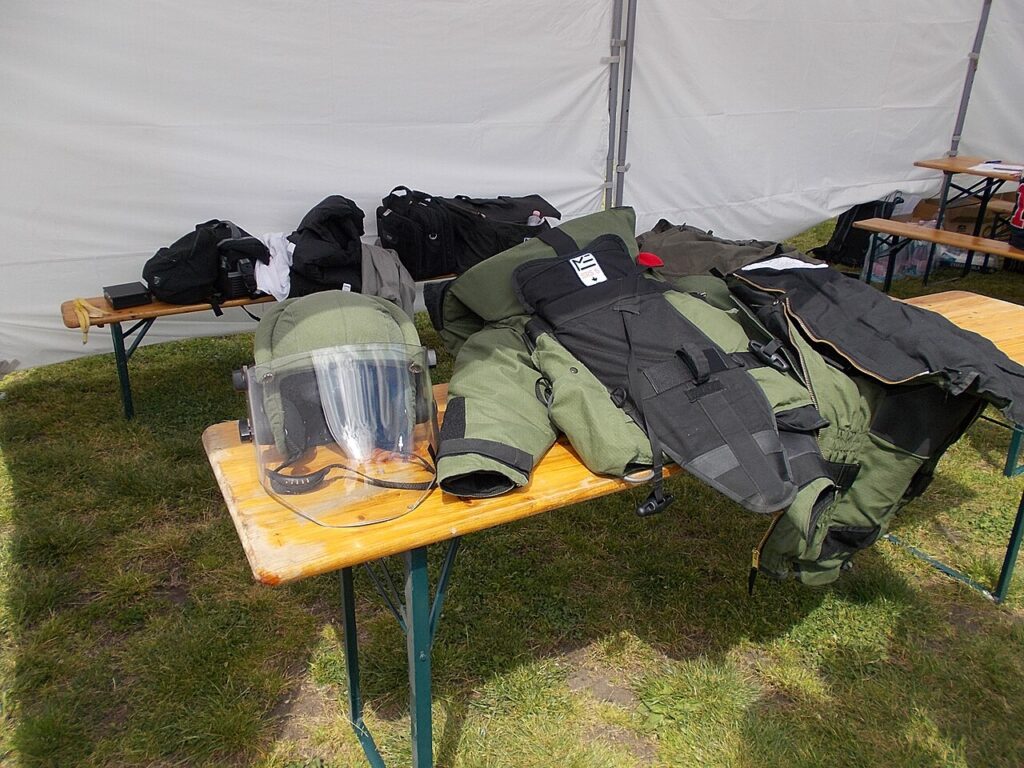
Representative photo showing tactical gear laid out for inspection, illustrating the importance of administrative organization and equipment readiness. Photo: Globetrotter19 / Wikimedia Commons · CC BY-SA 4.0. Resized for display. Sources checked October 23, 2026.

Sources & further reading
Sources reviewed 2026-10-23.
Prepared for Gunfire Magazine with AI assistance from the linked source material and the publication’s editorial brief. Specifications and manufacturer claims are attributed to their original sources.