

The Doha Gateway and the LA28 Horizon
November 2026 serves as a critical junction for the international shooting community. As the calendar turns, the focus shifts from the conclusion of regional events to the commencement of the qualification pathway for the Los Angeles 2028 Olympic Games. The International Shooting Sport Federation (ISSF) has confirmed that the first competitions awarding Olympic quota places begin this month with the ISSF World Championship Rifle/Pistol/Shotgun in Doha, Qatar, scheduled for November 1 through 14, 2026. According to the ISSF (https://www.issf-sports.org/news/5177), this event marks the beginning of a qualification pathway that will span more than a year, incorporating World Championships, World Cups, and Continental Championships. This structure is designed to promote balanced continental representation while providing athletes with multiple opportunities to secure quota places. The Doha event is not merely a competition; it is the opening of a long-term strategic cycle that will test both athlete preparation and the resilience of the competitive infrastructure. For those interested in the technical aspects of how these cycles are managed, it is useful to reflect on the findings in Year-End Transitions: An Industry Operational Audit, which highlights the importance of operational readiness during seasonal shifts.
Gear Evolution in the Competitive Context
While the international stage looks toward 2028, the domestic manufacturing sector continues to refine existing platforms to meet evolving user requirements. A notable trend in recent industry updates is the focus on modularity and user-specific ergonomics, as seen in recent product announcements from Sturm, Ruger & Company, Inc. For example, the introduction of the Ruger ReadyDot micro reflex sight system for the LCP MAX pistol represents a shift toward accessible, battery-less optical solutions for concealed carry ranges. As noted in product documentation (https://ruger.com/news/2026-05-27.html), the system was designed with a specific profile to aid in fast target acquisition, allowing shooters to focus on the target rather than the front sight. This evolution is mirrored in the LCP MAX line itself, which recently added a model featuring the Magpul Enhanced Handgun Grip (EHG), a collaboration aimed at improving control and consistency (https://ruger.com/news/2026-04-29.html). These updates underscore a broader industry trend where manufacturers prioritize the refinement of established product lines through partnerships and accessory integration. When integrating such equipment into a personal kit, it is essential to maintain a rigorous maintenance cycle. Readers looking to align their gear with modern standards may find guidance in The Late-Season Optics Audit: A Technical Review Cycle, which emphasizes the necessity of technical consistency when updating or replacing field equipment.
Governance and the Athlete’s Role
The operational rhythm of the industry is matched by the governance structures that support it. In the United States, USA Shooting has initiated a significant governance cycle, conducting elections for Board and Athletes’ Advisory Council (AAC) positions. The organization has separated the Board and AAC elections to allow athletes to choose between a broader governance role or a focus on athlete-specific issues. This process, which involves self-nominations and a structured vetting period, highlights the importance of athlete voice in the management of national sport organizations. The elections, running sequentially through early November 2026, are a reminder that the stability of any sporting discipline rests on the administrative frameworks that support it. These frameworks ensure that as the qualification pathway for LA28 progresses, the interests of the athletes remain central to the decision-making process. As shooters navigate their own seasonal transitions, whether that involves updating gear or reviewing administrative requirements, the dual focus on equipment reliability and organizational transparency remains a constant. The November period is an ideal time for stakeholders to review their own alignment with these broader industry and sporting goals, ensuring that their personal and professional activities are prepared for the upcoming cycle.
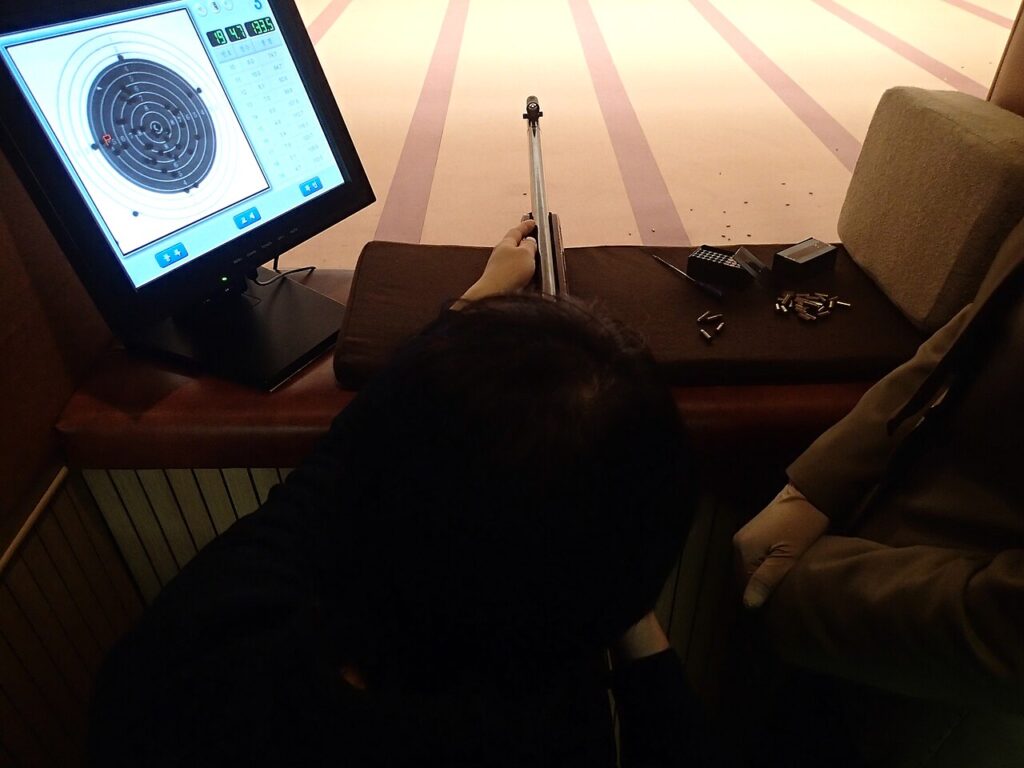
Representative photo of a competitive shooting environment, illustrating the technical focus required for Olympic qualification events. Photo: Uri Tours / Wikimedia Commons · CC BY-SA 2.0. Resized for display. Sources checked October 30, 2026.

Sources & further reading
- ISSF confirms first Olympic qualification events ↗
- Ruger Introduces ReadyDot Micro Reflex Sight System for LCP MAX Pistol ↗
- Ruger Introduces LCP MAX Pistol with Magpul Enhanced Handgun Grip ↗
- 2026 Call for USA Shooting Athlete Director and AAC Nominations ↗
Sources reviewed 2026-10-30.
Prepared for Gunfire Magazine with AI assistance from the linked source material and the publication’s editorial brief. This piece does not claim original interviews, on-site reporting or hands-on product testing.