
Navigating the Late-Season Administrative Shift
As November arrives, the landscape of public land access enters a period of significant transition. For the dedicated hunter, this month is not merely about the cooling temperatures or the changing foliage; it is a time for rigorous administrative maintenance. Public lands, such as National Wildlife Refuges and National Forests, operate on complex, seasonal calendars that dictate when specific units are open and what documentation is required. As discussed in Mastering the Administrative Logistics of Public Hunting, the administrative burden of modern hunting requires constant vigilance and a proactive approach to your paperwork.
For instance, permit processes have increasingly moved to digital platforms like Recreation.gov, which can change the way you secure your access. At the Okefenokee National Wildlife Refuge, the Suwannee Canal Recreation Area deer hunt permit process transitioned from paper applications to an online system for the 2026 season, with specific sales windows that closed in mid-October (https://www.fws.gov/refuge/okefenokee/visit-us/activities/hunting). If you are planning a late-season outing, relying on outdated assumptions about how to obtain access can lead to missed opportunities. Always verify the current status of your chosen hunting unit, as regulations and permit availability can shift rapidly during this late-autumn cycle.
The Anatomy of a Robust Trip Plan
Effective hunting logistics extend far beyond the gear you pack for the field. A comprehensive trip plan is an essential component of your safety infrastructure, serving as a critical communication bridge between your activities and land managers or emergency responders. The U.S. Forest Service strongly advises that before heading out, you should tell someone exactly where you are going and when you plan to return (https://www.fs.usda.gov/r04/safety-ethics/recreating-outdoors-planning-hiking-hunting-fishing-equestrian). This simple, disciplined act of communication should be as routine as checking your optics or packing your ammunition.
When constructing your plan, consider the specific terrain and environmental conditions of your destination. If you are hunting in remote areas, your preparation must include a realistic assessment of your physical capabilities and the environment. The Forest Service notes that maintaining a positive mental attitude and having a clear plan are the primary tools for survival if you become lost or injured. This mindset should be integrated into your pre-trip audit. Are your maps current? Do you have a reliable way to communicate? Is your gear appropriate for the late-autumn shifts in temperature and weather? These questions are explored in detail in The Late-Season Field Audit: A Planning Protocol, which encourages a structured review of your field readiness to ensure you are prepared for the unexpected.
Permit Compliance and Stewardship
The regulatory environment for hunting on public lands is designed to manage hunter effort and promote conservation, but it requires active participation from the user. National Wildlife Refuges, such as Mattamuskeet, utilize specific permit systems to manage hunter effort and species conservation, often involving lotteries or first-come, first-served permit releases that occur months in advance (https://www.fws.gov/refuge/mattamuskeet/visit-us/activities/hunting). If you are planning a late-season hunt, your administrative cycle likely began long before the first frost. However, even during the season, there are often standby opportunities or last-minute permit adjustments that require active monitoring and adherence to specific, often complex, regulations.
Compliance is a shared responsibility. When you hunt on public lands, you are not just a participant in the sport; you are a steward of the environment. This includes adhering to "Leave No Trace" principles and respecting the regulations set forth by land management agencies. As the National Park Service highlights, protecting our national treasures—including the wildlife and landscapes we enjoy—is a collective effort that requires every visitor to be informed and responsible (https://www.nps.gov/planyourvisit/recreate-responsibly.htm). By staying informed about the regulatory environment, you ensure that these lands remain viable for future generations. Remember to keep your documentation accessible, whether digital or physical, and always double-check the specific rules for your unit, as they can vary significantly even within the same refuge system. Whether you are navigating new online permit systems or preparing for the physical demands of late-season terrain, a disciplined administrative approach is the foundation of a successful and responsible hunting season.
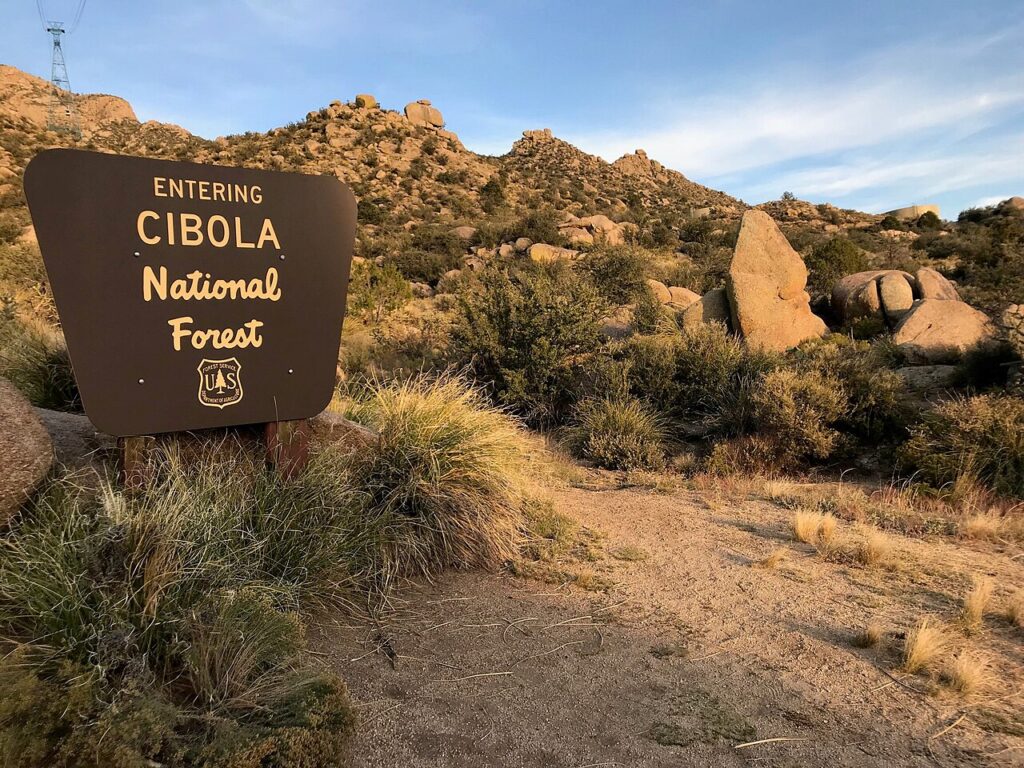
Representative photo: Navigating public land access, such as National Forests, requires verifying current regulations and permit requirements before beginning a hunt. Photo: Forest Service Photography / Wikimedia Commons · Public domain. Resized for display. Sources checked October 30, 2026.

Sources & further reading
- Hunting at Okefenokee National Wildlife Refuge | FWS.gov ↗
- Intermountain Region | Recreating Outdoors: Planning, Hiking, Hunting, Fishing, Equestrian | Forest Service ↗
- Hunting at Mattamuskeet National Wildlife Refuge | FWS.gov ↗
- Recreate Responsibly (U.S. National Park Service) ↗
Sources reviewed 2026-10-30.
Prepared for Gunfire Magazine with AI assistance from the linked source material and the publication’s editorial brief. This piece does not claim original interviews, on-site reporting or hands-on product testing.