

The Late-Autumn Shift: Why Your Gear Needs a Second Look
As the calendar moves into late autumn and toward the winter months, range activity often changes. Whether you are shifting your schedule to accommodate shorter daylight hours or preparing for different environmental conditions, the transition period is an ideal time to perform a rigorous audit of your range kit. A kit is not a static collection of items; it is a system that requires maintenance, verification, and occasional adjustment to remain effective. By applying corporate-level rigor to your personal armory, you ensure that when you head to the range, your equipment is ready to perform without hesitation.
The audit process begins with a simple premise: out of sight is not the same as secure storage. As temperatures fluctuate, materials like polymers and seals can react differently, and the items you rely on for protection—such as hearing protection and transport cases—may require a thorough inspection. This is not about cosmetic improvements or upgrading for the sake of novelty; it is about verifying that your existing infrastructure still meets the technical requirements of your activity.
Evaluating Your Storage Infrastructure
Storage is the foundation of a reliable range kit. When auditing your current storage solutions, look beyond the simple capacity of your cases and consider their environmental ratings. For instance, protective cases like the Pelican 1170 Protector Case and the Pelican 1200 Protector Case are engineered to withstand extreme temperature ranges, specifically from -40F to 210F (https://business.pelican.com/us/en/product/Cases/1170; https://business.pelican.com/us/en/product/Cases/1200). This capability is critical when moving equipment between a heated vehicle and a cold, damp range environment, where condensation and material contraction can occur.
When you evaluate your cases, consider whether the internal configuration still supports your current needs. A case that is too large allows for unnecessary movement, while one that is too small may force you to compromise on how you pack your gear. For a detailed breakdown of how interior dimensions impact your packing strategy, refer to our article, Pelican 1170 vs. 1200: Why Interior Shape Matters. During your audit, check the O-ring seals on your cases for debris or signs of degradation. A seal is only as good as its maintenance; if it is compromised, the case can no longer provide the protection it was designed for, regardless of its rugged construction.
The Hearing Protection Audit: Fit and Function
Hearing protection is arguably the most critical component of your range kit, and it is also the most susceptible to degradation over time. As temperatures drop, the cushions on your earmuffs may harden, making it more difficult to achieve a consistent seal against your head. According to the National Institute for Occupational Safety and Health (NIOSH), hearing protection must be chosen based on comfort, compatibility, and the ability to achieve a proper seal (https://www.cdc.gov/niosh/noise/prevent/ppe.html). If your earmuffs are not providing a proper seal, they are not providing the intended level of protection.
During your seasonal audit, evaluate your hearing protection using the "5 Cs" framework: comfort, compatibility, convenience, communication, and cost. Comfort is particularly important; if your hearing protection is uncomfortable, it is less likely to be worn consistently. Compatibility is also vital, especially in winter when you might be wearing hats or other headgear that can interfere with the earmuff headband or seal. As noted in our guidance, Hearing Protection Reviews Should Begin With Fit, the most advanced electronic features are secondary to the physical fit of the device. If you find that your current setup is no longer comfortable or effective, it may be time to re-evaluate your options based on the specific noise levels you encounter at your range.
Integrating Your Seasonal Logistics
A successful seasonal audit concludes with a plan for integration. Once you have verified your storage cases and ensured your hearing protection is in good working order, take a moment to consider how these items work together. Are your earmuffs easily accessible within your kit? Do your cases allow for quick access when you arrive at the range, or do you find yourself fumbling with gear in the cold? Convenience is a significant factor in consistent safety habits; if the process of accessing your protective gear is cumbersome, you are less likely to maintain the discipline required for safe operations.
Finally, remember that the goal of this audit is not to replace gear, but to ensure that what you have is being used correctly and is in the condition required for the task. If you identify a failure point—such as a worn earmuff cushion or a damaged case latch—address it before your next range session. By taking the time to conduct this review now, you are not just preparing for the next trip; you are building a habit of operational readiness that will serve you well throughout the entire winter cycle.
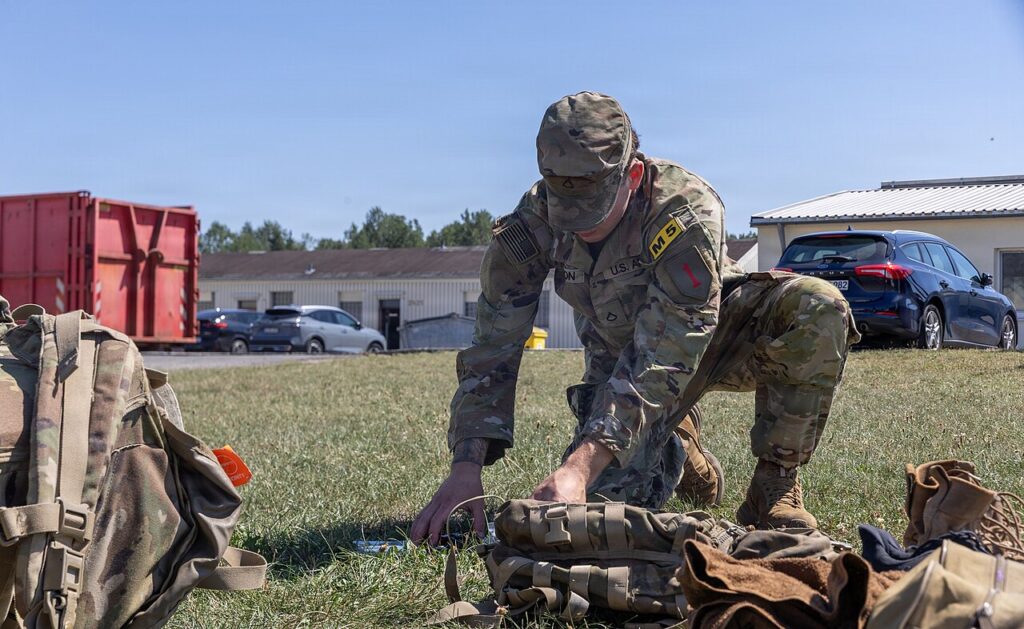
Representative photo of a gear audit, highlighting the importance of verifying and organizing equipment to maintain operational readiness. Photo: U.S. Army photo by Sgt. Griffin Payne / Wikimedia Commons · Public domain. Resized for display. Sources checked October 28, 2026.

Sources & further reading
- Pelican 1170 Protector Case ↗
- Pelican 1200 Protector Case ↗
- Provide Hearing Protection | Noise and Hearing Loss | CDC ↗
Sources reviewed 2026-10-27.
Prepared for Gunfire Magazine with AI assistance from the linked source material and the publication’s editorial brief. This piece does not claim original interviews, on-site reporting or hands-on product testing.