
The Institutional Cycle of Range Maintenance
As November arrives, the operational cadence for the firearm industry and its participants shifts. The high-tempo season of outdoor range activity often gives way to a period of evaluation, maintenance, and long-term planning. For both facility managers and individual shooters, this transition is not merely a pause in activity; it is a critical window for assessing the infrastructure that supports the sport. Understanding how these facilities are funded and maintained provides a necessary context for the modern shooter, moving beyond simple usage to an appreciation of the systems that ensure continued access. This research-based perspective allows for a more comprehensive understanding of the industry, moving beyond the immediate needs of the current season to consider the long-term health of the shooting sports infrastructure.
A prime example of this institutional cycle is the Great Swamp Shooting Range in Rhode Island. As noted in a report from the U.S. Fish & Wildlife Service, the facility serves as a community asset that makes shooting sports available to those who may not have access to private clubs. The range's 2018 renovation, which redesigned benches, baffles, and curtains to create a safer, more environmentally friendly experience, was funded through the Pittman-Robertson Act. This federal excise tax system, paid by manufacturers of firearms, ammunition, and archery equipment, is a cornerstone of American conservation and public access. For the average visitor, recognizing this funding mechanism is part of becoming a more informed participant in the shooting sports. As detailed in our internal guide, Auditing Your Seasonal Safety and Storage Logistics, maintaining a clear understanding of the regulatory and operational logistics of your local range is a vital component of responsible ownership. The Great Swamp facility, which provides 18 shooting lanes and dedicated archery space, demonstrates how these funds are effectively channeled into public resources without relying on general fund taxpayer dollars, according to the U.S. Fish & Wildlife Service report on the Great Swamp Shooting Range.
Investing in the Future of Marksmanship
While public ranges focus on daily access and conservation, national organizations are simultaneously engaged in long-term infrastructure projects designed to shape the next generation of competitors. The Civilian Marksmanship Program (CMP) recently broke ground on a major facility expansion at Camp Perry, Ohio, which is projected for completion in December 2027. This project represents more than additional square footage; it is a strategic investment in the future of competitive shooting. According to the CMP, the new facility will add a modern indoor range featuring 32 firing points capable of supporting 50- and 25-meter rifle, pistol, and rimfire sporter rifle events, as well as doubling the capacity for National Air Gun events. This expansion, as documented at the CMP's official project update, is intended to create a professional, welcoming environment that supports athletes of all skill levels, from juniors attending their first major match to elite competitors.
This infrastructure development is paired with a significant commitment to human capital. The CMP Scholarship Program has awarded over $1 million in scholarships for the 2026-2027 school year, supporting high school seniors based on merit, humanitarian efforts, and marksmanship participation. By connecting facility development with educational support, these programs create a pathway for young shooters to develop discipline and responsibility. For those looking to structure their own development during the quieter winter months, our analysis in The Off-Season Shift: Building for the Next Cycle offers a framework for aligning personal goals with these broader industry trends.
The Year-Round Standard of Secure Storage
The transition into the end-of-year cycle is also an appropriate time to reinforce the permanence of safety protocols. While industry awareness campaigns often operate on specific calendars, the underlying principles are designed to be constant. The National Shooting Sports Foundation (NSSF) recently concluded its annual Gun Storage Check Week, which took place from September 1 to September 7. Despite the conclusion of this specific week, the NSSF continues to emphasize that the "Make Sure It's Secure" message is a continuous endeavor, not a seasonal one. As stated in their report on the campaign's conclusion, available at the NSSF news portal, securely storing firearms when not in use provides essential time and distance in moments of crisis, helping to prevent unwanted access.
For the individual owner, the takeaway is clear: infrastructure, whether it is a public range facility or a personal storage solution, requires consistent attention. The shift in seasons provides a natural opportunity to audit one's gear, review safety protocols, and engage with the broader community resources that enable the sport. By viewing these elements—range access, athletic development, and secure storage—as interconnected parts of a long-term strategy, owners can better ensure their participation remains responsible, safe, and sustainable for the years ahead. This research-based perspective allows for a more comprehensive understanding of the industry, moving beyond the immediate needs of the current season to consider the long-term health of the shooting sports infrastructure.
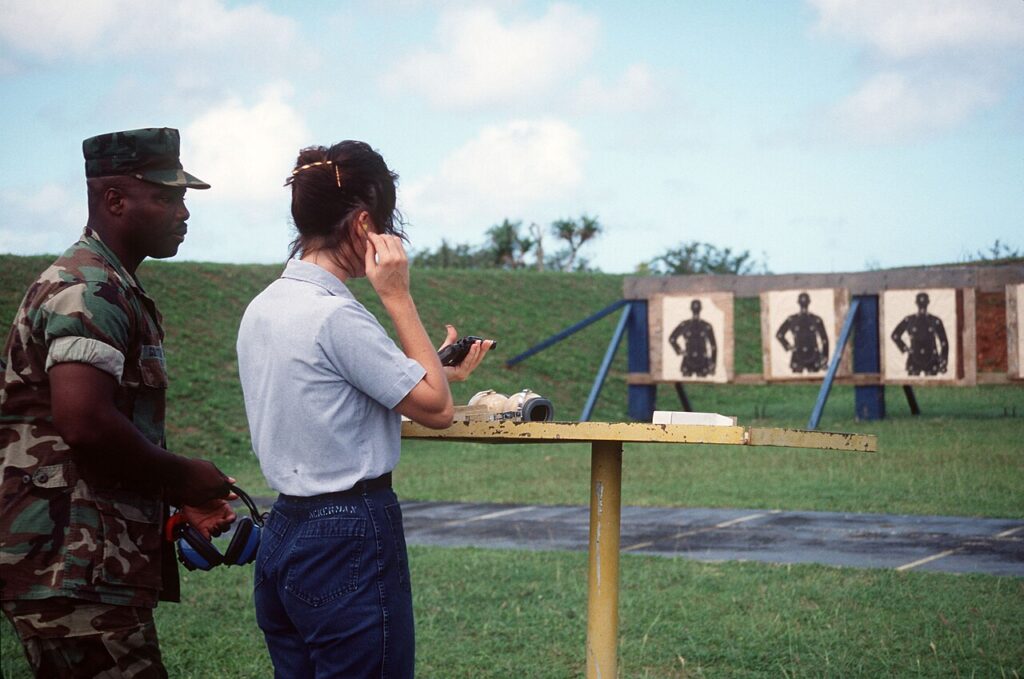
Representative photo of range activity, highlighting the infrastructure and safety oversight essential to public and private shooting facilities. Photo: Department of Defense. American Forces Information Service. Defense Visual Information Center. 1994 / Wikimedia Commons · Public domain. Resized for display. Sources checked October 28, 2026.

Sources & further reading
- Great Swamp Shooting Range: Rhode Island's Only Free Public Shooting Range | U.S. Fish & Wildlife Service ↗
- CMP Breaks Ground on Facility to Strengthen Marksmanship Training and Athlete Development - Civilian Marksmanship Program ↗
- NSSF Marks Successful Conclusion to Gun Storage Check Week • NSSF ↗
Sources reviewed 2026-10-28.
Prepared for Gunfire Magazine with AI assistance from the linked source material and the publication’s editorial brief. This piece does not claim original interviews, on-site reporting or hands-on product testing.